Published in Devlok, Sunday Midday on Nov 28, 2010.
When I was a child, I remember waiting at the phatak to cross the railway line. There used to be long traffic jams because of it. Then came plans to build a flyover over it. I was told this will put an end to all problems once and for all. So the flyover was built over the railway line and there were no more traffic jams. At least not there. Now there were traffic jams at the signal after the phatak. Since then, I have seen several flyovers being built, each one promising to solve our traffic problems and each one only shifting the problem to another location. Hope and momentary joy is replaced by despair.
We forget to take into account that all our solutions are based for current realities but current realities are constantly changing. Our solutions are not future proof. But can solutions ever be future proof. Can we truly ever be certain of the future?
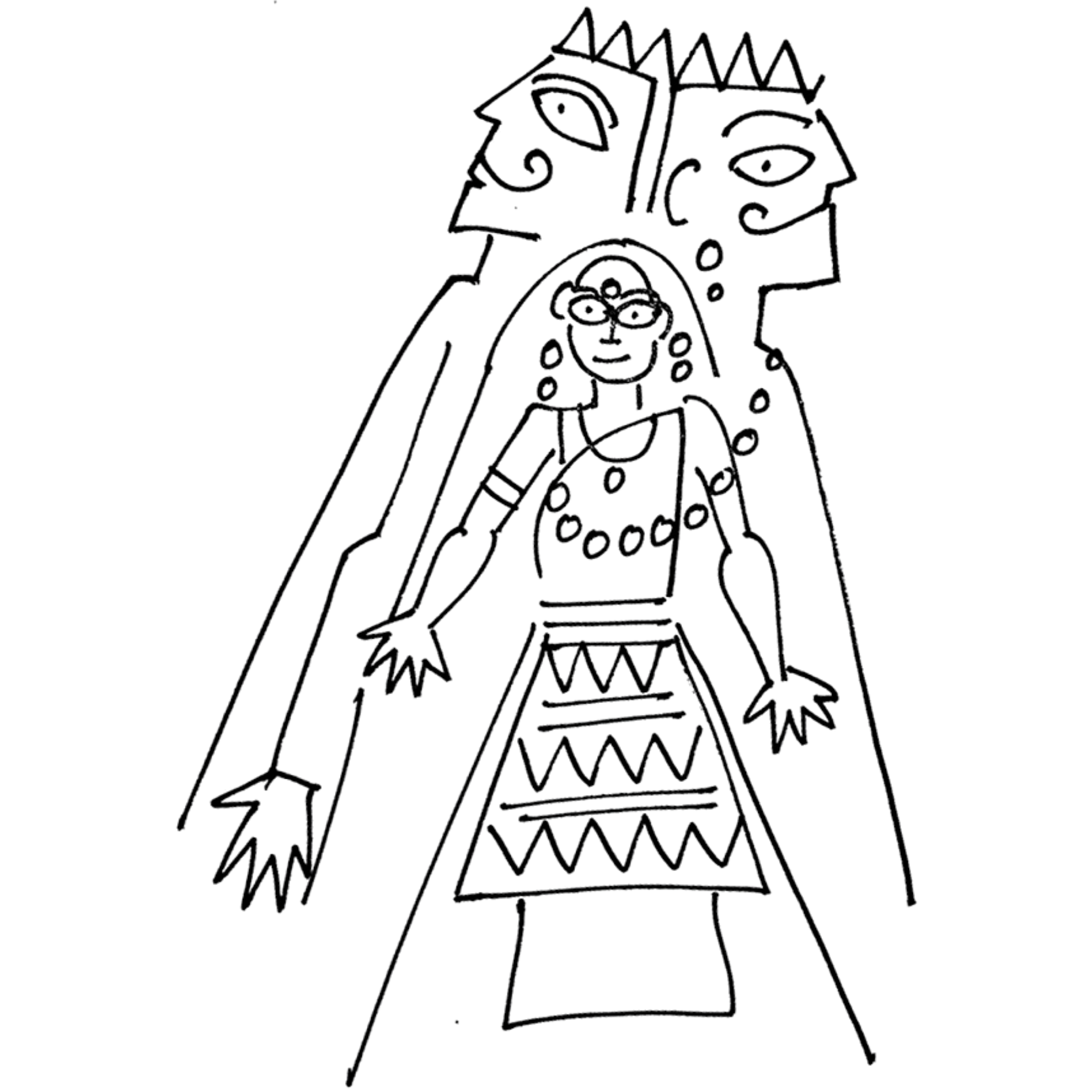
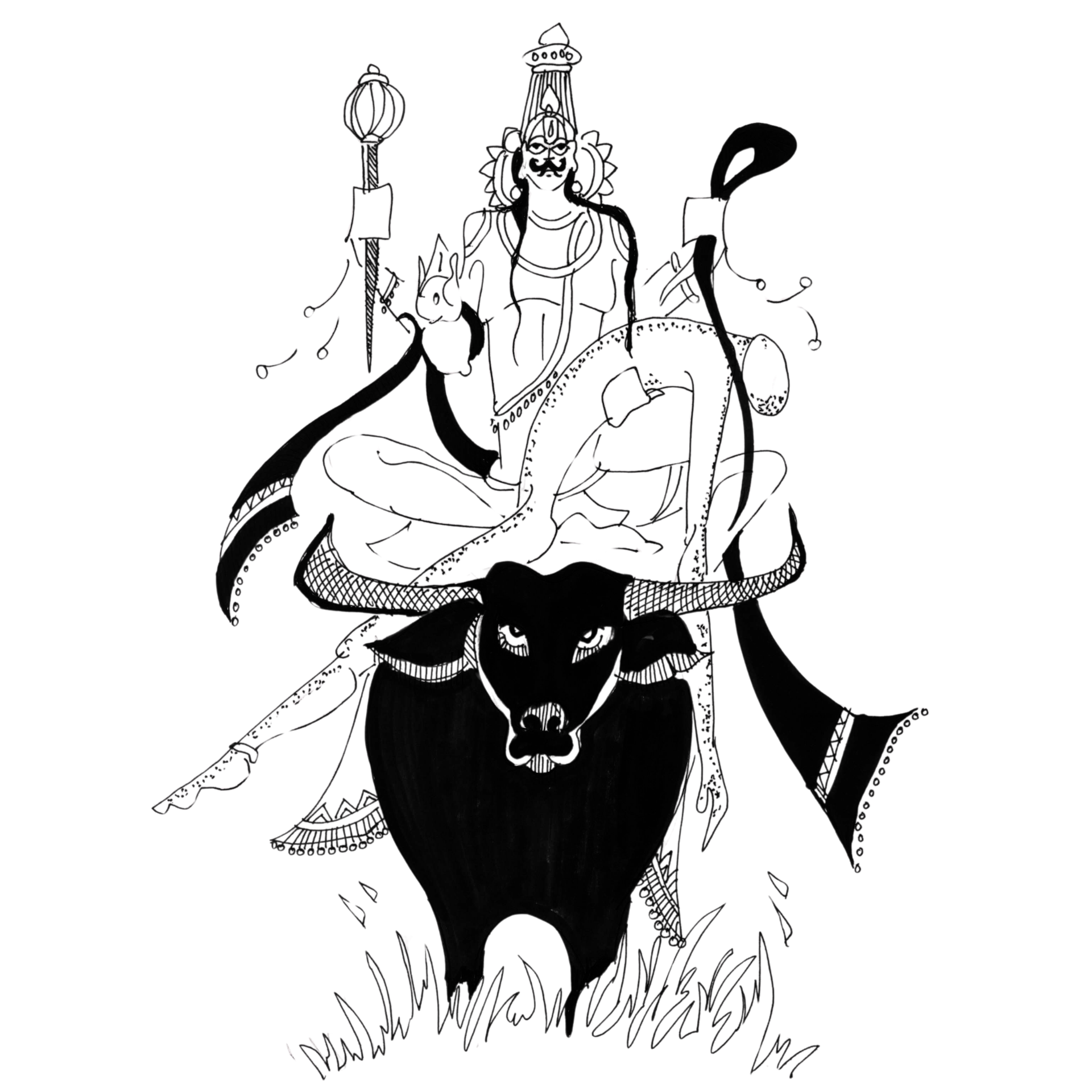
In Greek metaphysics, there are two principles. One is called the Thanatos principle and the other is called the Eros principle. Thanatos means the death-principle while Eros means the life-principle. We are governed by death-principle or the life-principle. When we believe that the next flyover is going to make life only worse (by destroying heritage buildings, by destroying mangrove forests, by destroying familiar slums) then we are stricken by Thanatos. We believing that doom is near. However, when we believe that the next flyover is going to make life better then we are under the influence of Eros. We believe that life is getting better.
Who speaks the truth? Is it Eros or is it Thanatos? Thanatos is the grim reaper. He kills and destroys every day. So if we look at him, we are convinced that the world is coming to an end. Eros is the cherubic archer, striking people with love, desire and inspiration. He is constantly turning us one, giving us hope. If we look at him, life is always getting better. Thanatos is looking at life as half empty while Eros is looking at life half full. Thanatos always frowns. Eros always grins. Are we frowners or smilers?
Greeks believed there was only one life. And so life was seen as either Tragedy or Comedy. Thanatos sponsored Tragedy, Eros sponsored Comedy. Tragedy was about looking at the flyovers and feeling helpless that we have no say in the matter. Comedy is looking at the flyovers and realizing with delight how foolish man is to believe this will really change anything. Thanatos makes us the victim. Eros makes us the hero.
Since Indians believed in rebirth, they modified the Greek ideas a bit. Indian thought says two things. Firstly, Thanatos and Eros are points of view and not reality. Every human being will look at the same situation differently. Secondly, all things are temporary and so we will move cyclically from Thanatos to Eros, from being victim to hero, and then back again. It will happen again and again and there is no stopping it. Scams will come and go, corrupt politicians will come and go, idealists will come and go, and life will move on. Thus Thanatos and Eros are delusions, maya, delusions we cannot live without.