Posted on 1st February, 2015 in The Mid-Day.
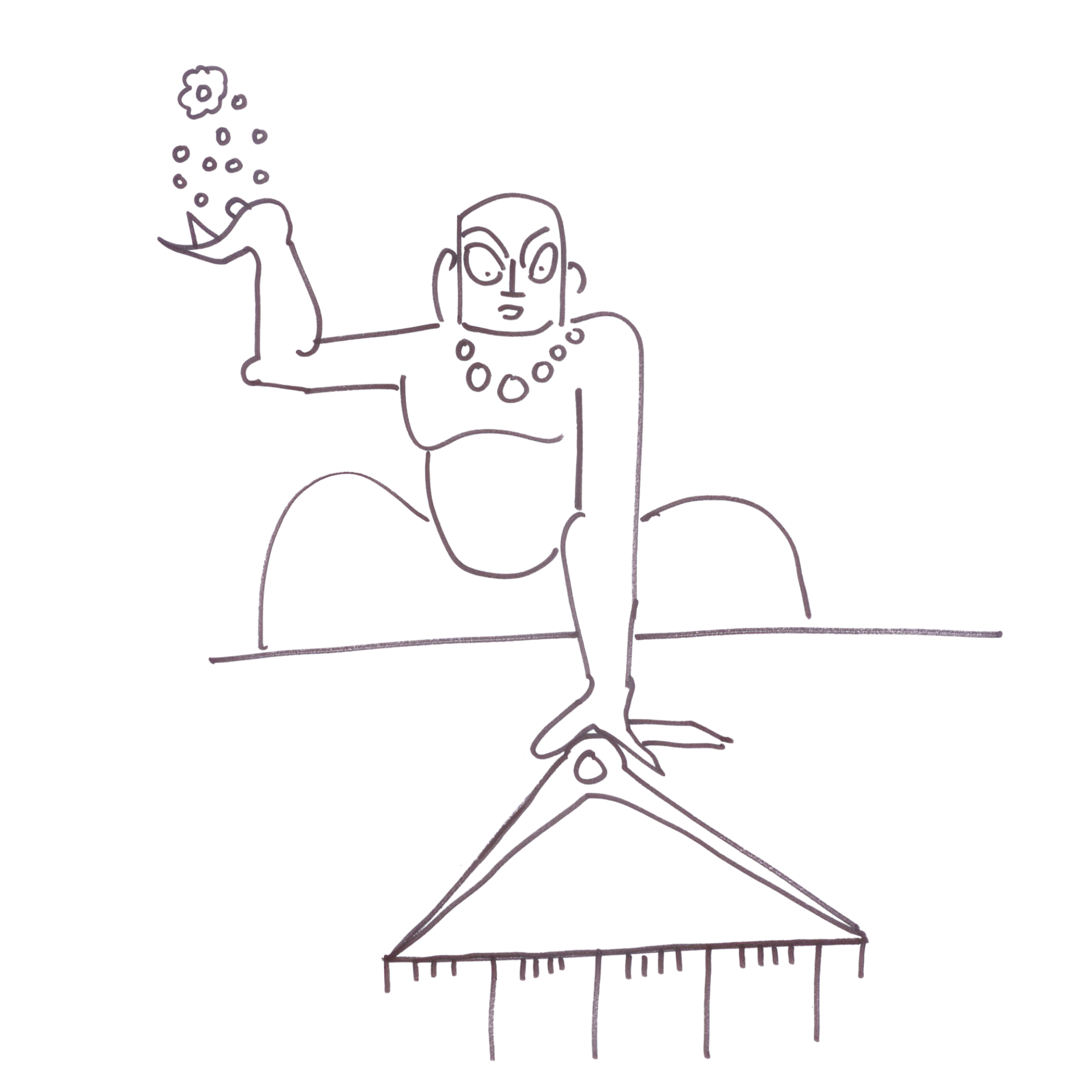
The sage Mandavya was in deep meditation when some thieves entered his house, hoping to escape the soldiers who were chasing them. The soldiers caught them and accused Mandavya of wrongfully sheltering them. The king ordered that Mandavya be impaled. Mandavya wondered why was he was suffering for a crime he had not committed. He questioned Yama, the god of death and justice, who said that he was paying the price for torturing insects as a child. ‘But I was an innocent child then!’ he protested. Yama said, ‘The insects did not think so.’ Nevertheless, an angry Mandavya cursed Yama that he would be born as Vidura, who though worthy of being a king, would never wear the crown.
The story from the Mahabharata draws attention to how the law of karma works. And I thought of this when I heard the blaring music during Republic Day proclaiming children’s patriotism in my ‘posh’ residence complex. It was awful to endure such torture. But we could say nothing as eager parents were obsessed with teaching their children ‘good values’ – declare your love for the country even if it means torturing other people’s ears. No one can complain. Those who do will be accused of being value-less unpatriotic child-hating kill-joys. So we quietly suffer. Year after year after year, convinced we too are suffering for crimes committed when we were children. Did we torture insects too?
How are these awful parent-child-nation bonding events different from the noise pollution during Ganesh Chaturthi, Diwali, Navaratri or the daily Azaan from mosques calling on the faithful to pray? Can we mock these very upper-class parents of being uneducated shantytown residents under protection of slumlord politicians? We cannot. This proves the idea that secularism and nationalism can be as cruel as religion, the rich are as cruel as the poor, and housewives can be as nasty as political goons. No one is stopping the festivities – but why is there need for such loudspeakers in open public spaces? Even law tiptoes around so as not to offend the loud lout.
But then, I think of the other extreme. My friends in Europe told me that in some parts of Switzerland you are not allowed to flush your toilet after 10 pm as the sound of the flush can disturb other residents of the building. My friend in Japan told me how the only sound in a Japanese busy street is the sound of birds above. No one speaks. Everyone moves silently. This creepiness is high culture, I am told. A place where you speak softly and loud music is allowed only inside closed doors, enclosed by sound proof walls. The other extreme.
It comes down to how much the other matters. The insect did not matter to Mandavya. And the ears of neighbours do not matter to the parents playing nationalistic songs during Republic day, or the administrators of the mosques who call the faithful every day, several times a day, or to the organisers of religious festivities who scream louder and louder to get the attention of deaf gods. All that matters is their devotion, their patriotism, their enjoyment and their piety. The other does not matter. Selfishness is justified, even valourised. The other is expected to endure. This is the ‘value’ taught by parents to children in resident complex after resident complex in every festival and every patriotic day.
Hopefully, Yama is keeping accounts.