How do we know our past? Our history? One way is to refer to texts. The Asiatic Society of Mumbai was founded by Sir James Mackintosh in 1804 to do just that—pour over and preserve texts. Sanskrit, Prakrit, Arabic, Persian texts abound. These texts tell you about the imagination of poets and writers, but they do not necessarily capture the “truth” of the moment. If history is the story of the victors, it is only the partial story. The texts, thus, need to be corroborated with something more material and “objective”.
It is here that the Archaeological Survey of India (ASI) becomes important. This was founded in 1861 by Alexander Cunningham. Especially after the decipherment of the Brahmi script by James Prinsep in 1837, and Cunningham’s excavations of Buddhist monuments in the Nepalese Terai region, he realised there needed to be a place that could fund archaeological excavations and the conservation of Indian monuments. This would give us a richer idea of our history.
Using texts and artefacts, ideological historians have sought to objectively identify acts of ancient injustice to justify revolutions of the present. Many present history carefully to avoid communal conflict in present times. Some want to avoid talking about temples broken to create mosques. Some want these stories to be amplified, even exaggerated. Others want to avoid talking about Buddha and Jain images being repurposed in Hindu temples or create exaggerated stories of sectarian conflicts based on flimsy evidence. History is full of things we do not want to hear.
As we keep digging, we realise who came first (upper layer) and who lived before (lower layer). Was the temple built before the mosque? Was the stupa built before the temple? And what before the stupa—were there tribal shrines and megaliths that were overwritten by Buddhist structures? What of this tribal legacy? Where did their gods disappear? In our quest for the origins of civilization, we tend to bypass tribal roots. And what of people who did not write or wrote on perishable materials? And people who created structures using wood and leaf and cloth that do not survive over time? Who tells their story?
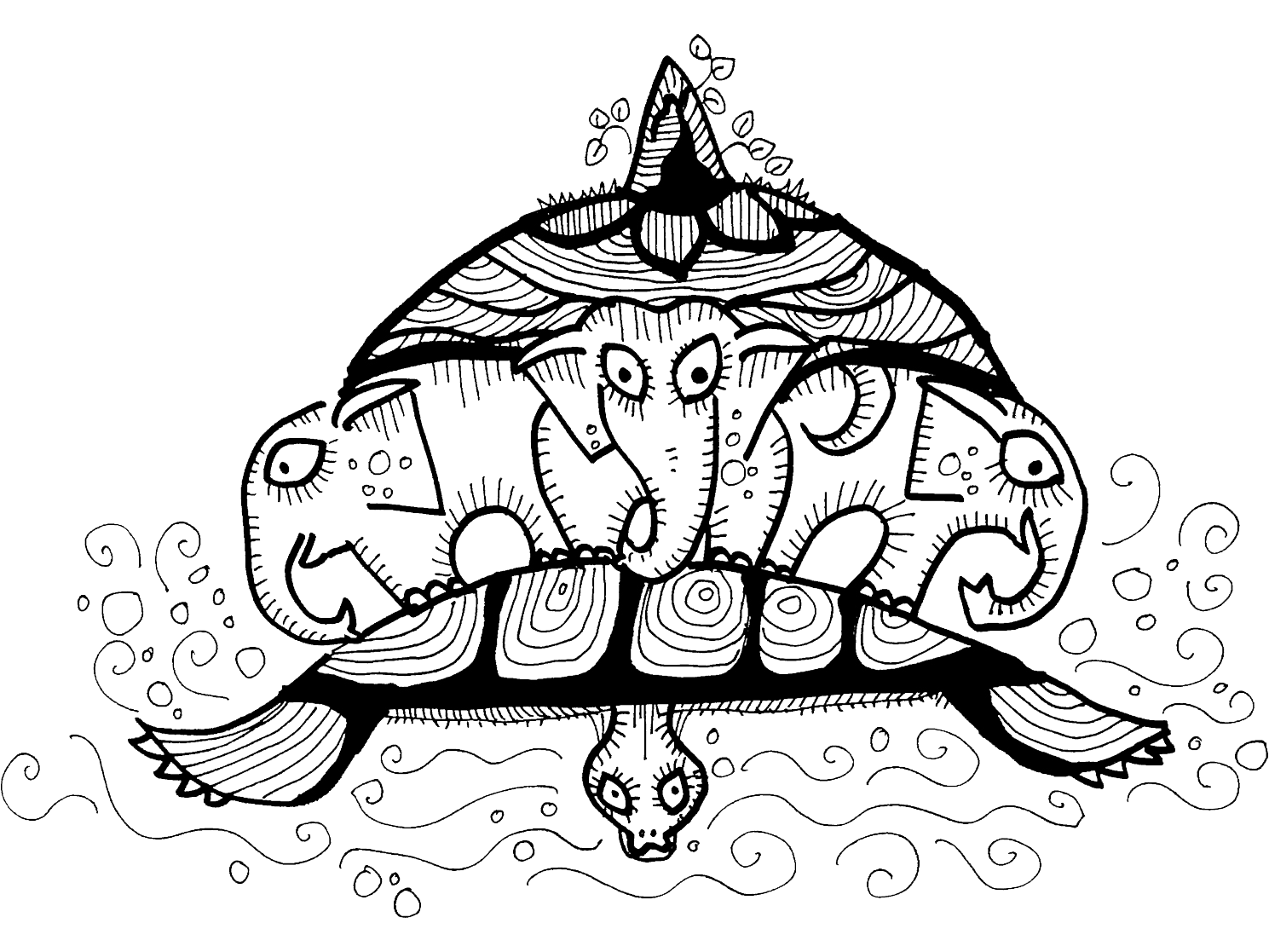
Our mythological stories warn us of this, to not dig too deep. When the sons of Sagara, looking for the missing horse of their father’s yagna, started digging, according to Hindu sources, they reached the bottom of the Earth where elephants were there, holding up the Earth, and there they encountered Kapila Rishi. When they accused the Rishi of theft, he burned them to death. In the Jain version, they dug so deep they entered Naga Loka, the kingdom of serpents who released venom and killed the sons. These stories can very well serve as cautionary tales.
Pataal Lok—Pa means foot, Tala means below, so the word Patala refers to “a world below the foot”, full of magical and mysterious beings, who can terrify us with their truths. We might locate in this realm Nagas whose gems we steal, or Gayasura, held down by Vishnu’s mace, whose bones were turned into metal. They may tell of gods and demons who came even before them, the originators of the original, now long forgotten. There was a world before Islam, before temples, before Buddha, before Harappa, before Megaliths. Not everyone lived to be remembered.