
Mythologist | Author | Speaker | Illustrator

-
Articles
Oppenheimer’s Gita
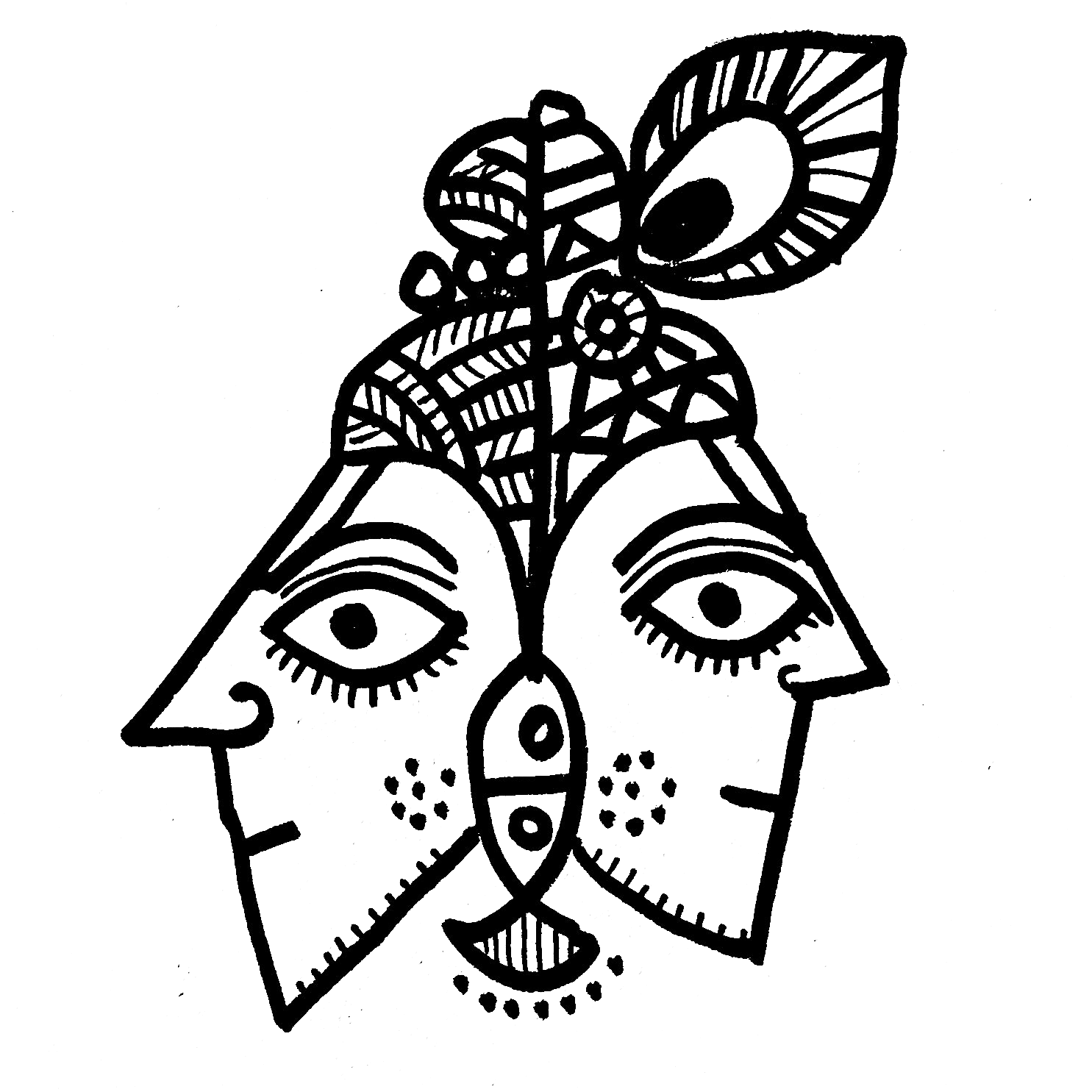
Many Indians get excited when White People read Indian religious texts. Hindutva WhatsApp groups proudly shared how Oppenheimer, Father of Atomic Bomb, quoted lines from the Gita. But Oppenheimer quotes: “That I am death and destroyer of the world”. However, this is a mistranslation of Chapter 11, Verse 32, which states “Kala-asmi”, where Krishna identifies…
-
Articles

Ask Krishna Anything? A Mythologist Puts Gita Chatbots To The Test
Whenever I encounter young earnest young, Hindu missionaries selling the Gita to me on roadsides, I like to pose them a question that helps me gain insight about their mind and their understanding of the Gita. I ask them, ‘Why does Krishna refer to Arjuna as a “kliba” in Chapter 2 verse 3?…
-
Articles

Mythology of Maternal Uncles
Published on 30th January, 2022, in Mid-day. The maternal uncle plays a very important role in Hindu scriptures. He is called the ‘Maama’. He is the brother who visits his sister’s house during the rakhi festival. She visits his house during Bhai Dooj, the final day of Diwali. He watches over her welfare. It is…
-
Articles
Why 14 Years of Exile?
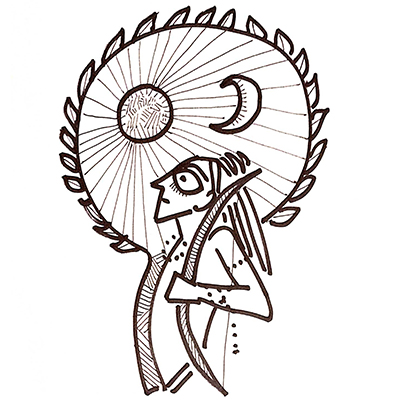
Published on 2nd January, 2022, in Mid-day. There are two big mysteries in Hindu mythology. One, why does Kaikai ask Ram to be exiled only for 14 years? Two, why does Duryodhan demand that the Pandavas be exiled only for 13 years? Why did Kaikai not ask for Ram’s permanent exile? Or why did Duryodhan…
-
Articles

Does the Mahabharata Respect Women’s Desire?
Published on 14th March, 2021, in Mumbai Mirror. The Bhil Bharata is a tribal version of the Mahabharata. There is much it shares with the classical Sanskrit Mahabharata. However, when it comes to women, it has an altogether different take. In this retelling, Goddess Shakti takes the form of an eagle and impales herself on…
-
Articles

Seeing Mahabharata from the Point of View of the Forest
“When Might Is Right: Seeing Mahabharata from the Point of View of the Forest.” Published on 6th March, 2021, in The Economic Times. Hindu philosophy makes no sense without appreciation of the constant comparison of the forest (aranya) with settled communities (grama). This division begins with the Sama Veda. Since the epics Ramayana and Mahabharata…
-
Articles

An Unsuitable God
Published on 21st June, 2020, in Mid-day. In Vedic mythology we hear how the Ashwin Kumars were unsuitable gods, not allowed to partake the Soma offering. To get the offering, they approached Dadichi, who said that if he chanted the verses, then his head would split into a thousand pieces. So, the Ashwins replaced Dadichi’s…
-
Articles
Revisiting Mahabharata with Devdutt Pattanaik
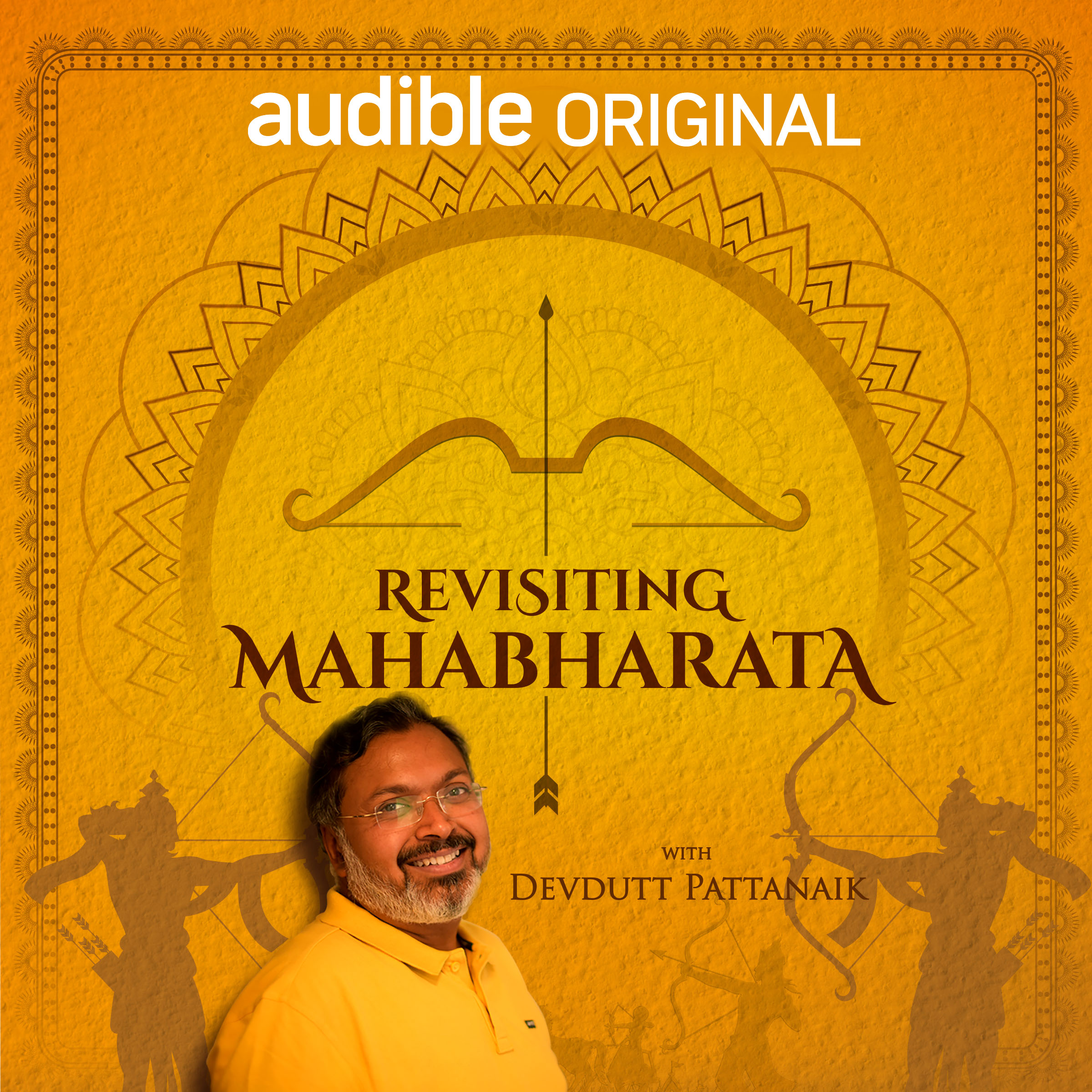
Revisiting Mahabharata with Devdutt Pattanaik is an exclusive presentation by Audible. “Mahabharata” is a story that communicates Vedic Ideas such as dharma and karma. It narrates the epic quarrel over property between five brothers (the Pandavas) and their hundred cousins (the Kauravas). The events, if real, may have taken place 3000 years ago in the…
-
Articles

Dharma During Crisis
Published on 12th April, 2020, in Mid-day As we go through a global pandemic which demands a major change in our lifestyle and which will have a major impact on the economy, it is a good time to remember a conversation in the Mahabharata, where Bhishma tells the Pandavas, about Apaddharma, or dharma during crisis.…
-
Articles

Mahabharata On the Hills
Published on 26th January, 2020, in Mid-day Badrinath and Kedarnath are two major centres of pilgrimage in Uttarakhand; both are shut during winter months. Both centres are closely associated with Adi Shankara, the scholar who revived Vedic scholarship, about 1,200 years ago. He was the one who identified pilgrim spots and connected intellectual Hinduism (gyana…
-
Articles
Lakshmi Helps Us Define Who’s God and Who’s Not
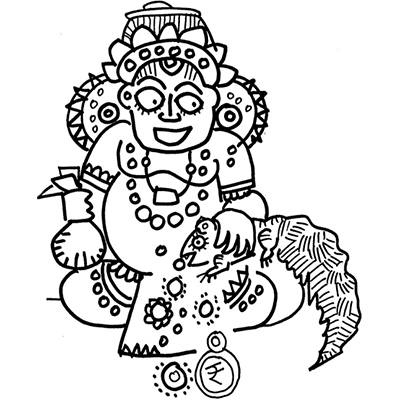
Published on 4th October, 2019, in Economic Times Everyone needs, and wants Lakshmi in Hindu mythology: Devas, Asuras, Rakshasas, Yakshas. But each one’s relationship with wealth is different. Some like Ram and Duryodhana are lucky, they are born in rich families. Ram is a positive, divine character, in the Ramayana but Duryodhana is a villain,…
-
Articles
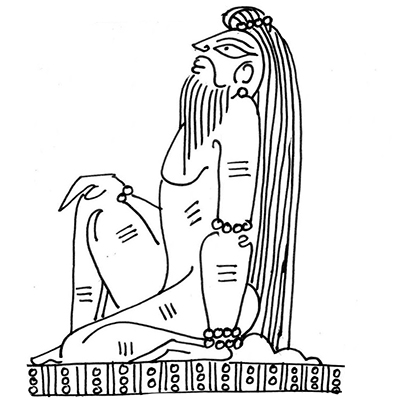
Vedic stories are different from Puranic stories
Who is a Hindu? Published on 29th September, 2019, in Mumbai Mirror In the Vedas, there are references to many kings (raja) and to their poet-priests (rishi). Their stories are elaborated in the Puranas. There is a gap of two thousand years between the Vedas and the Puranas, and clearly much is lost in transmission.…
-
Articles

When the concept of liberation is closely linked to the concept of debt
Published on 28th June, 2019, in Economic Times One of the key principles in Hindu mythology is the idea of rebirth. It means that no child is born on earth with a clean slate. He comes to the world with debt (rinn). This debt is of various kinds. We owe debt to our ancestors. Because…
-
Articles
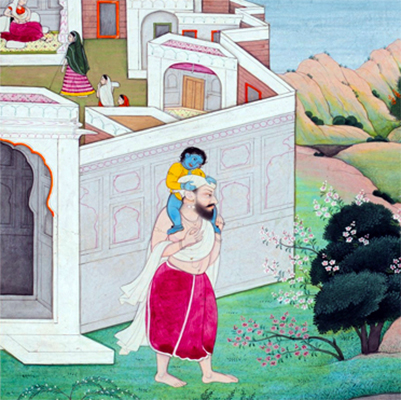
Who is a good Hindu father?
Published on 23rd June, 2019, in Mumbai Mirror Indians are obsessed with their mothers. An overview of Bollywood films reveals that. Mothers can do no wrong. They always sacrifice their life for their children. Good sons always choose mother over wife. By contrast, fathers are considered absent, leaving the mother to take care of the…
-
Articles
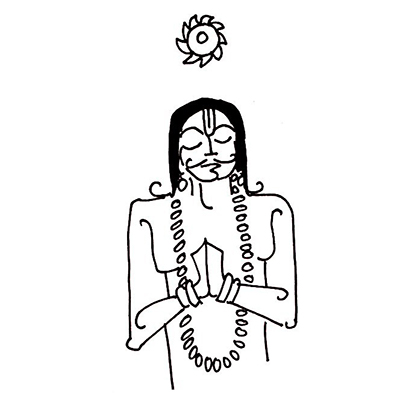
The non-violent Ram: Stories from the Jain tradition – and how they differ from the Hindu canon
Published on 12th May, 2019, in Mumbai Mirror Followers of Hindutva believe that Jainism is just a branch of Hinduism, despite the fact that it is deemed a minority religion in India’s Constitution. They often use the phrase Sanatan Dharma as an umbrella term to include both faiths. While there are no doubt many things…
-
Articles
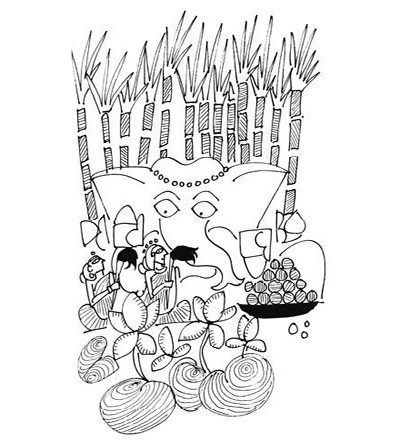
The metaphor of the forest
Published on 21st April, 2019, in Mid-day. To understand Hindu mythology, it is critical to understand the metaphor of forests. Forests represent the default wild world, where might is right, where strong prey on the weak; while culture represents the world, where the forest has been domesticated, where might is no longer right, and the…