Published in Corporate Dossier, ET, September 13, 2013.
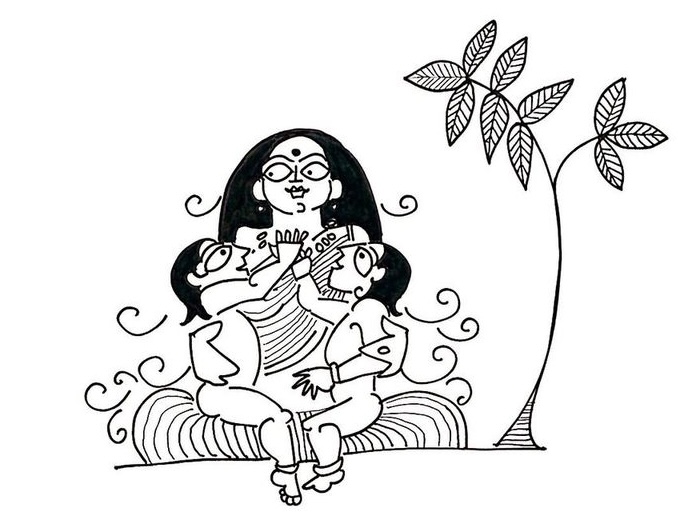
Lakshmi is the goddess of wealth. She is the most popular goddess in India. Her image can be seen in Buddhist, Jain and Hindu shrines. Her image can be seen in cash counters and business establishments across India. She is seen seated on a lotus, holding lotus flowers and a pot of grain, with gold coins emerging from her palm. We don’t learn about her in Business Schools though as she is part of religion. But a study of this goddess enables us to understand how ancient Indians thought about wealth and economics.
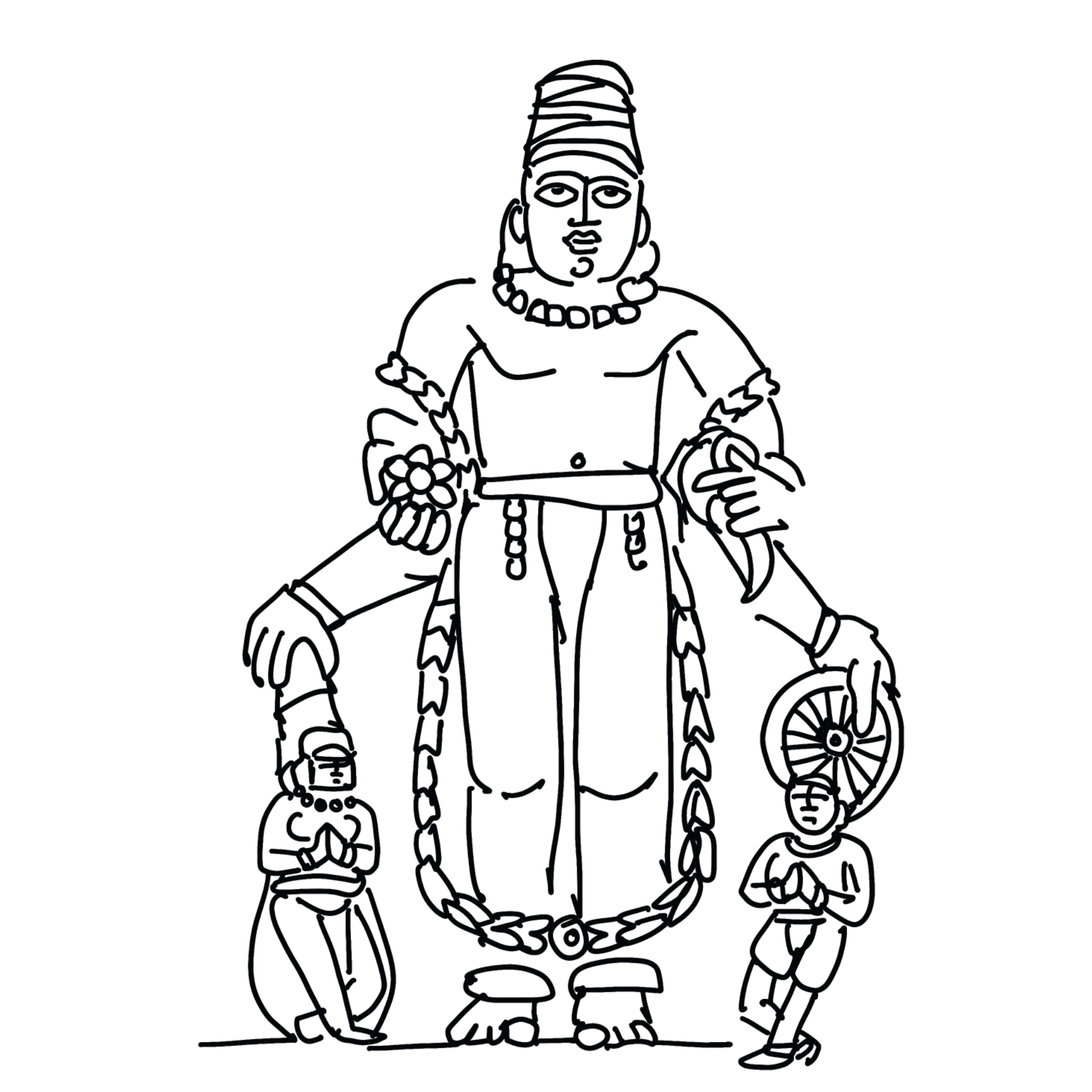
There are many who keep telling me: ‘actually’ Lakshmi is not just about money, she is also about ….. This stems from the Indian discomfort with money that can be (allegedly) traced to Gandhian philosophy and to monastic orders of India. We read comic books where saints fall ill when they touch money. We are told that men and women who shun money are sages, holier than the rest, and closer to God. This is extremely peculiar, considering that Lakshmi is a goddess, the beloved of Vishnu, the preserver of the world. Vishnu is popularly worshipped as Shri-nath and Tiru-pati which means lord of affluence and abundance.
Wisdom is all about appreciating wealth in its context, not denying wealth. As Indians, we have lost the wisdom of appreciating wealth. In the Puranas, it is said Vishnu always attracts wealth. That is why his abode, Vaikuntha, is the land of happiness; it’s a playground or ranga-bhoomi. Contrast this with Swarga, the paradise of Indra, king of the devas, who is constantly fighting asuras. His abode of rana-bhoomi or battleground as he chases Lakshmi and tries to prevent the asuras from taking her away.
Let us not look at this as a silly children’s story, or a dangerous religious concept. Let us look at this as an idea — happiness comes when Lakshmi walks our way not when we seek to grab her. So now the question, is India today Swarga or Vaikuntha? We will quickly say, certainly not Swarga. But that is not true. We have many rich people and rich companies in the land. Phenomenally successful. But they are all under siege constantly battling workers, courts, regulators, struggling to get land from villagers and licenses from the government. They are in the battlefield, like Indra. We don’t attract investments, so we are not Vaikuntha. But we are constantly fighting starvation despite bumper harvests; we are Swarga. That is why Indra is not worshipped, Vishnu is. That is why India is not celebrated. Investors seek Vaikuntha where they feel their wealth will be protected and their wealth will grow. They seek Vishnu.
The fundamental difference between Indra and Vishnu is that Indra only thinks of himself and his shareholders. They all feel entitled, like shareholders. Vishnu thinks of everyone — employees, customers, shareholders, vendors, society at large, in other words stakeholders. A very large multinational firm recently informed me that they now think ‘smart’ because they want to think holistically, taking into consideration society at large in their strategic decisions, but it is tough as the shareholders want their profit. Here we see the great struggle of Indra trying to be Vishnu. We want Vaikuntha, but we can’t let go of Swarga.