Published on 24th July, 2016, in Mumbai Mirror.
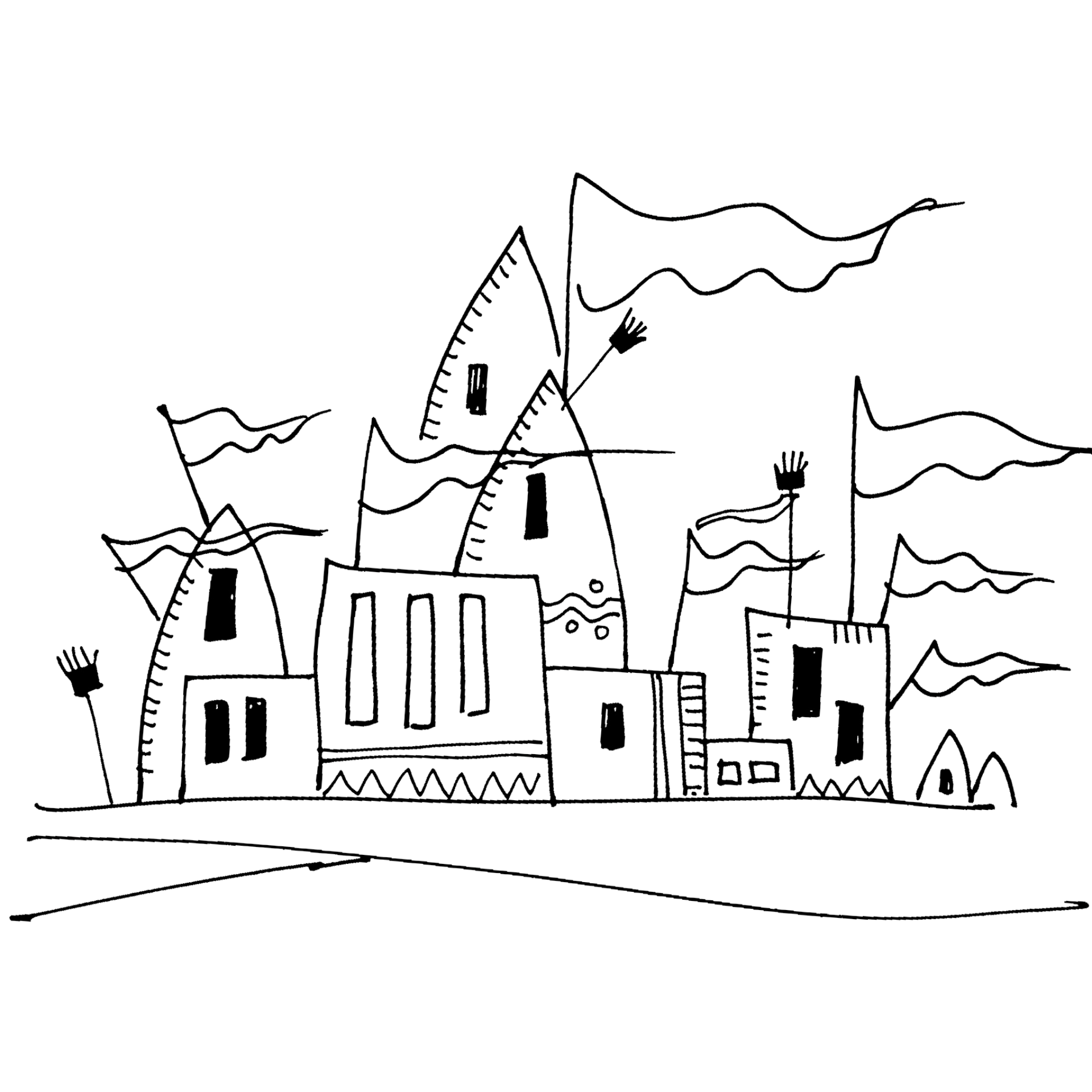
Have you heard of Bodhiraksita? He is the first ‘documented’ pilgrim in Indian history. According to local inscriptions, he travelled from Sri Lanka in the 1st century BCE, to Bodhgaya, in Bihar, located a 100 kilometres from modern Patna, to see the famous bodhi or pipal tree under which Buddha got his enlightenment. Of course, during his visit, he would not have seen the 180 feet tall pyramidal Mahabodhi temple, full of images of Buddha, Bodhisattvas, fierce gods and goddesses such as Yamantaka and Vajravarahi who are part of later Mahayana and Tantrik Buddhism. This brick structure was built only five hundred years after his visit, in Gupta times.
Today when we visit Bodhgaya as part of the Buddhist tourist trail and encounter people from China and Japan and Korea and Thailand, and Europe, and America, we assume this pilgrim spot was always there, since 2,500 years ago, when Siddhartha Gautama of the Sakya clan attained enlightenment here. But that is not so. In fact in the early 19th century, no one in India had any idea about Buddhism. Buddha, at best, was an avatar of Vishnu mentioned in some Puranas. The Mahabodhi temple and the lands around had been since 16th century under the control of a Hindu mahant.
It was British historians and archaeologists who played a key role in the re-discovery of Buddhism. Sir Edwin Arnold wrote the Light of Asia that told the story of Buddha’s enlightenment. Sir Alexander Cunningham played a key role in identifying the Buddhist nature of the dilapidated structures in Bodhgaya. And Anagarika Dharmapala of Sri Lanka played a key role in restoring the site to his glory. He initiated a legal process to enable Buddhists to reclaim the site in the late 19th century. He died in 1933 and it is only in 1949 that the Government of India, acknowledged it as a Buddhist shrine. Over the years, there are claims and counter claims in matters of its administration, with some Hindus claiming it is also a Hindu shrine, though increasingly the management is being given to Buddhists, not just those from India, but from all over the world. Now Bodhgaya is a UNESCO World heritage site.
Two thousand five hundred years ago, when Siddhartha, a Nepalese prince of the Sakya clan, from Kapilavastu, came to this region he described it thus, “There I saw a beautiful stretch of countryside, a beautiful grove, a clear flowing river, a lovely ford and a village nearby for support. And I thought to myself, ‘Indeed, this is a good place for a young man set on striving.’” Nearby was the village of Uruvela on the banks of the Neranjara (Phalgu) river. Later this village was reamed as Sambodhi, Mahabodhi, and finally, by the 18th century, as Bodhgaya.
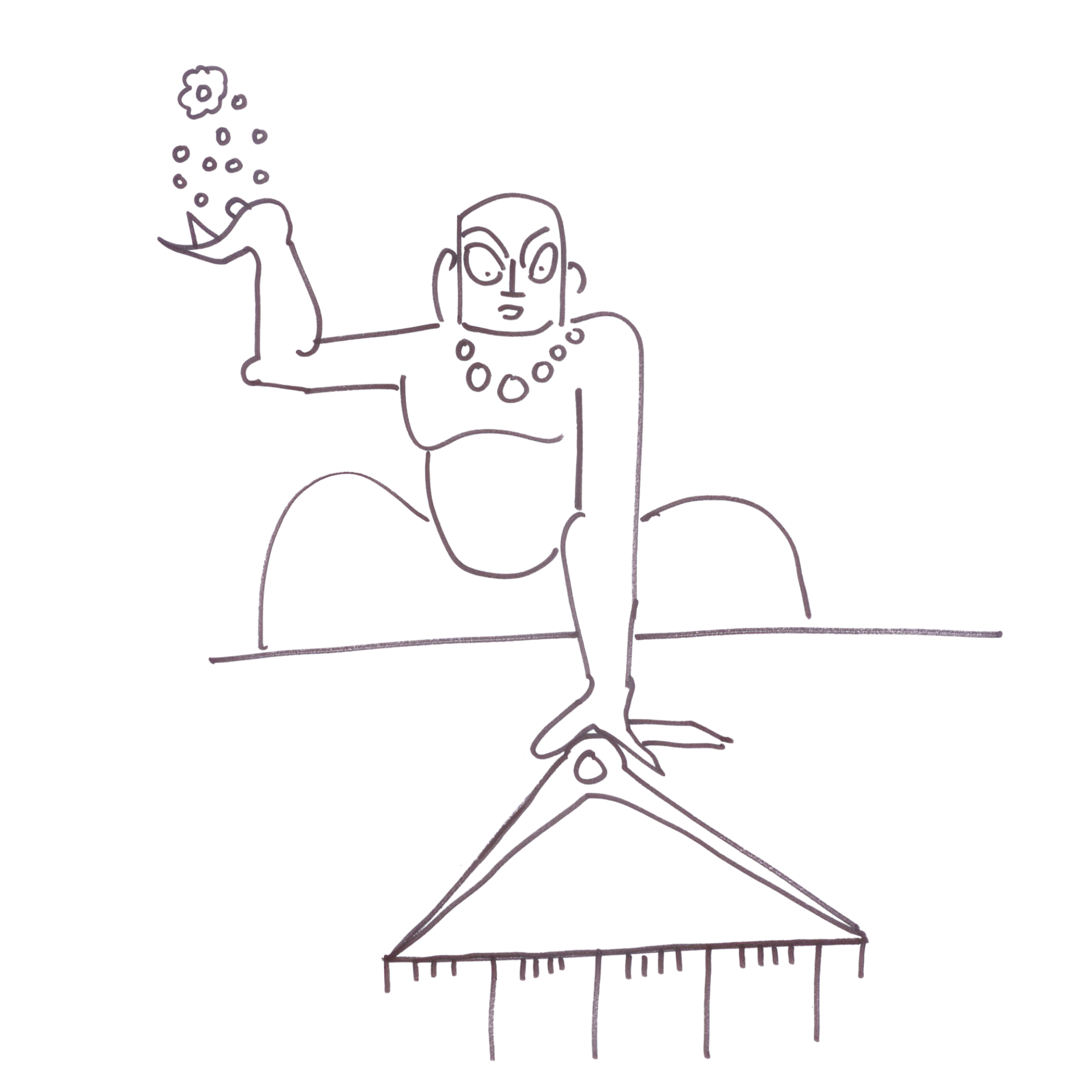
The prince was determined to discover the cause of suffering. He had lived a sheltered life, and only after marriage had he encountered death, disease and old age. Traumatised, he had left his wife and newborn son, and spent years wandering in the forests, meeting sages and hermits, as a seeker. He came to be known as the ascetic Gotama. They told him that fasting was a way of gaining wisdom. So the prince stopped eating and drinking until he was too weak to even walk. That is when a lady called Sujata gave him some milk and honey, revived his health. A few days later, after deep meditation under the peepal tree, awareness dawned. He suddenly ‘woke up’ in realisation. He had become the Buddha.
Based on local legend, and the architecture of the Mahabodhi temple, we are told that after enlightenment, Buddha sat under the tree for a week. Then stood before the tree staring unblinkingly at it for a week. Then he paced up and down, eighteen times, along a path where lotus flowers bloomed. Then sat under nearby trees, meeting local sages, priests and merchants, who fed him, and heard what he had to say. In the seventh week he sat near a pond and was protected by the hood of Vasuki, king of serpents, during a thunderstorm. Today there are shrines to mark all these places.
Ashoka visited this site in the 3rd century BCE and established the Vajrasana, or the diamond seat. One of Ashoka’s wives became so jealous of the king’s fondness for the Buddhist religion that she had the holy tree poisoned or cut. Luckily, Ashoka’s daughter, Sanghamitra, had taken a sapling of this tree to Sri Lanka and so sent a sapling back to be replanted here. Today, there are sandstone railings around this tree dated to 100 BCE with images of the sun-god Surya, and wealth-goddess Lakshmi, even images of centaurs and flying horses, suggesting Greek influence, and granite railings dated to 300 CE with images of eagles and lotus flowers. The temple was built around 1500 years ago, periodically restored by local kings, including the Burmese king in the 19th century and finally the British archeological society. Today the upper portion of the temple is gold plated thanks to generous donation by the king of Thailand. For centuries Bodhgaya was visited by monks and royalty from Sri Lanka, Tibet, Kazhakistan, Cambodia, Vietnam, and China, where Buddhism spread, and their records speak of how the temple housed an image of Buddha that was carved in the very likeness of Buddha. (The image currently enshrined is dated to 10th century and was placed at this site by Alexander Cunningham, the British archeologist who played a key role restoring the site; he found the image in the ruins). Sri Lankan kings build a monastery here to house pilgrims in the 4th century. But in the 13th century, the shrine was desecrated by Muslim marauders, and despite attempts of Pala kings of Bengal to revive it, it eventually was forgotten. But as the Buddha said, not everything lasts forever. And now the memory of this ancient way of life has been given a new life, restored to much of its former glory.