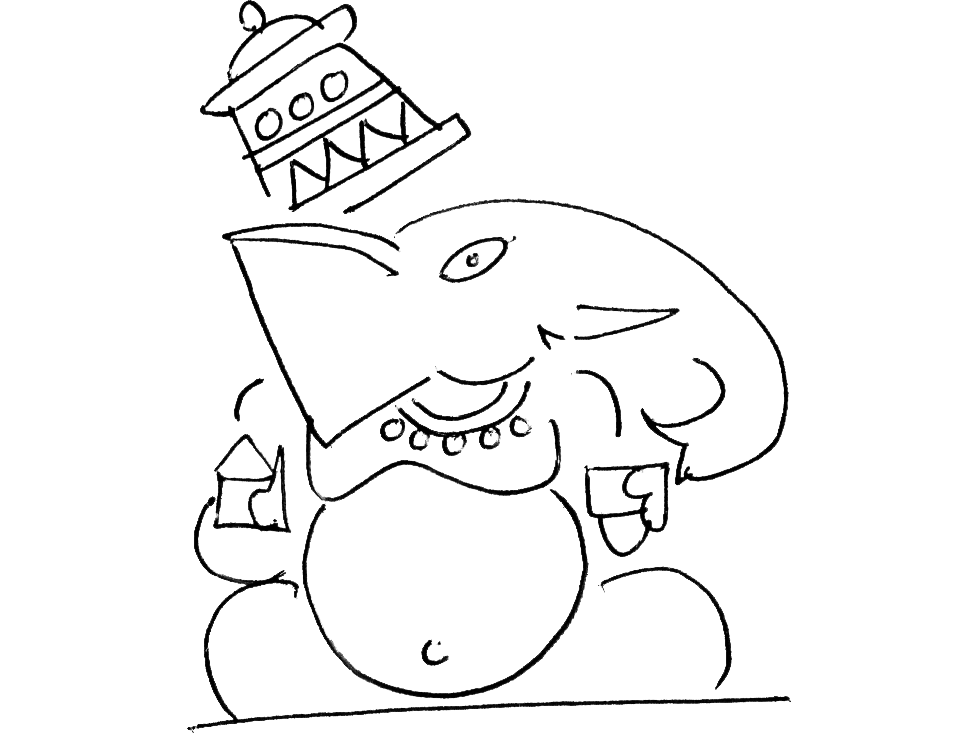
When one travels to Thailand and Japan, one occasionally finds images of Ganesha. Most Indians get very excited as it reveals how Hinduism spread to Southeast Asia and even the Far East. However, on closer examination, one realises the answer is not that simple. These elephant-headed deities worshipped in these countries have nothing to do with Shiva or Parvati. They are not familiar with the story of Shiva beheading Parvati’s son Vinayaka and replacing his human head with that of an elephant.
In Hinduism, Ganesha represents the domestication of Shiva and the transformation of the hermit into the householder. Shiva becomes the father and a parent, becoming part of worldly life. Ganesha statues were originally part of Shiva temples. The elephant-headed one embodied the first of Shiva’s minions, the gana. Later, Ganesha was part of the Shiva-parivaar, or Shiva’s family. The domestication of Shiva. But eventually, Ganesha became a deity in his own right. The personal god of the Maratha kings.
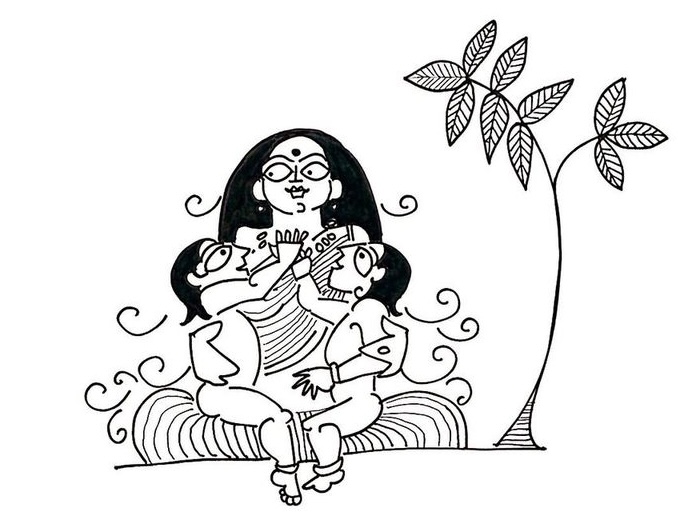
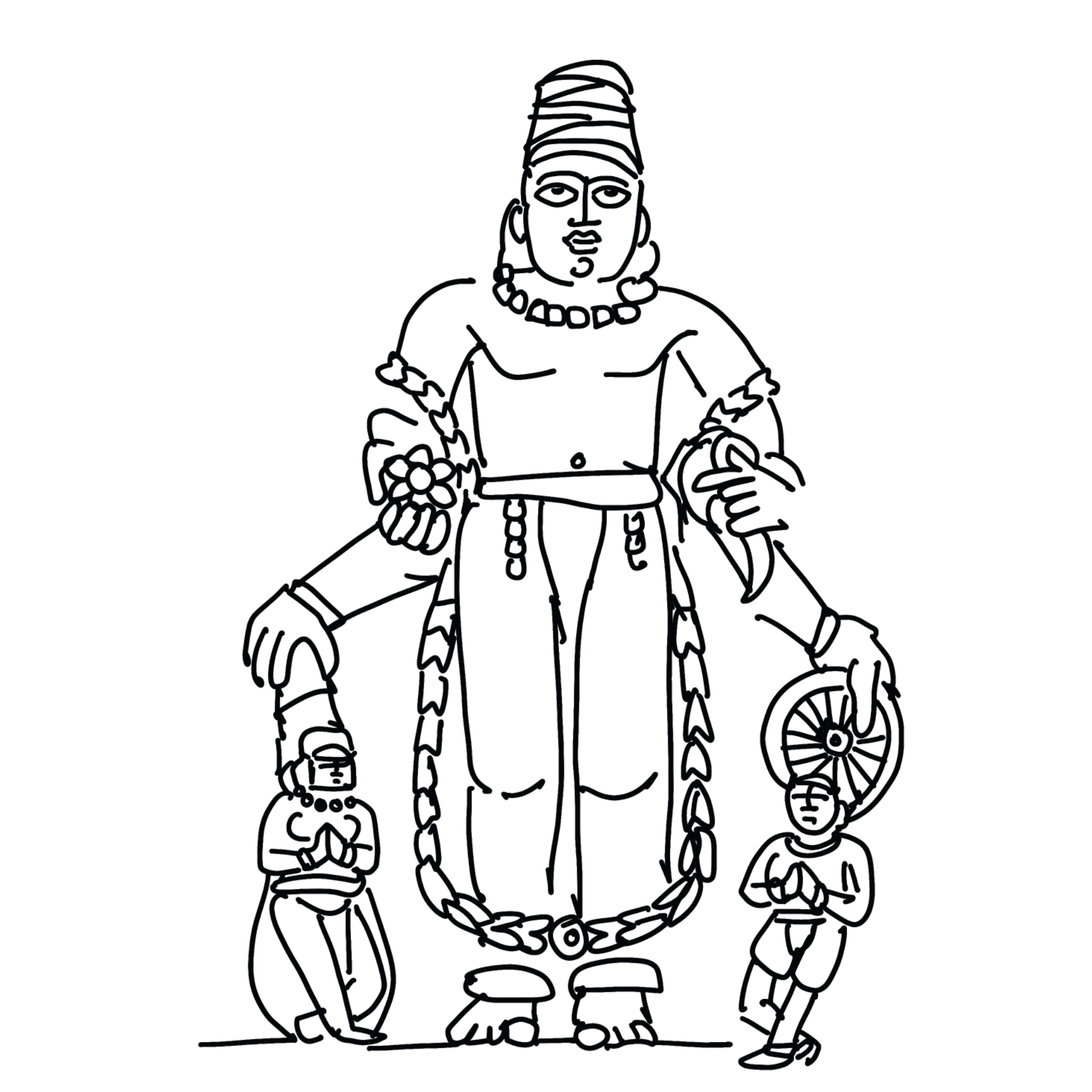
These ideas are missing when one finds the Elephant Buddha in Southeast Asia. In Indonesia, for example, there is the image of Ganesha where he sits on skulls. In Thailand, there are images where he is holding weapons in his hands. There are no modakas associated with him. In Japan, there are images where two figures are found in intimate positions, both having elephant heads. These clearly reveal different ways of thinking and are probably very strongly linked to Tantra.
According to one Buddhist tale found in East Asia, the elephant claims to be the elder brother of the Buddha, who brings obstacles unless acknowledged and appeased. Therefore, he is the troublemaking Vinayaka Yaksha of ancient lore, who has to be acknowledged and appeased so that he allows you to walk the path of meditation. He thus represents the lord of the first chakra, the foundational Muladhara chakra. He becomes linked to the elephant that was sent to kill the Buddha but calmed down in his presence. Thus, Buddhist practice is closely linked to the elephant.
In some traditions, a Bodhisattva known as Samantabhadra rides the elephant, indicating strength. There are stories in Zen mythology where the black elephant is an errant elephant but as one becomes more and more enlightened, the black elephant turns into the white elephant of wisdom and takes one towards the heaven of the Buddha.
The Japanese male and female elephants in sexual embrace perhaps have their roots in tantric practices where excessive male autonomy was considered dangerous, just as excessive female autonomy. The two had to balance each other in keeping with the Chinese principle of yin and yang of Taoism. Thus, it represents harmony in the world, a balance of excessive positive and negative energies. In Thailand, one finds young boys and girls offering rose flowers to Elephant Buddha in the hope of finding a suitable spouse.
The meaning of the elephant-headed god changes in different cultures. In Jainism, the elephant-headed yaksha is linked to a turtle and is a guardian of one of the Tirthankaras. Not all of these have roots in Hinduism. The elephant obviously created awe in all cultures and was venerated in different ways, with various meanings in different parts of the world, not all rooted in Hinduism.