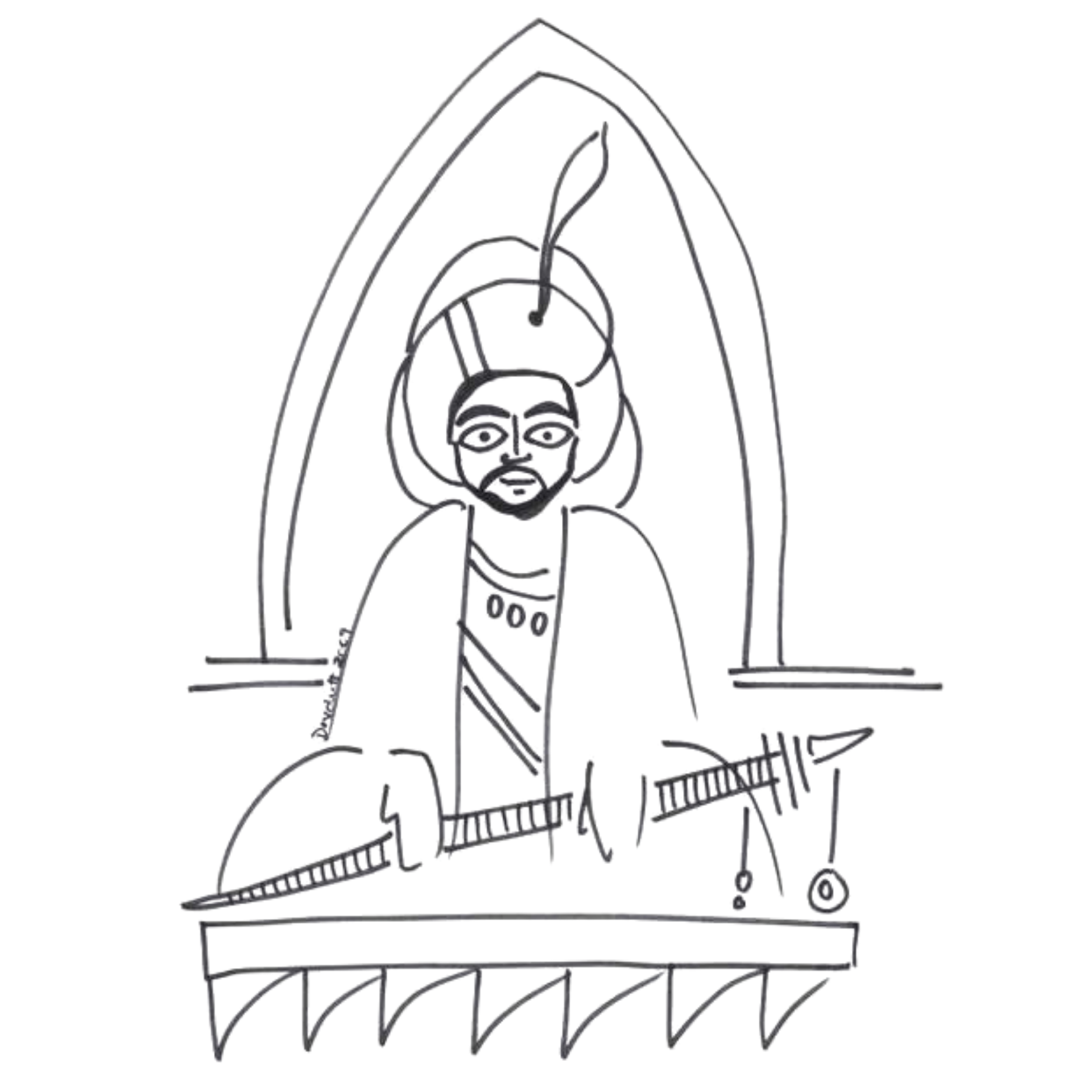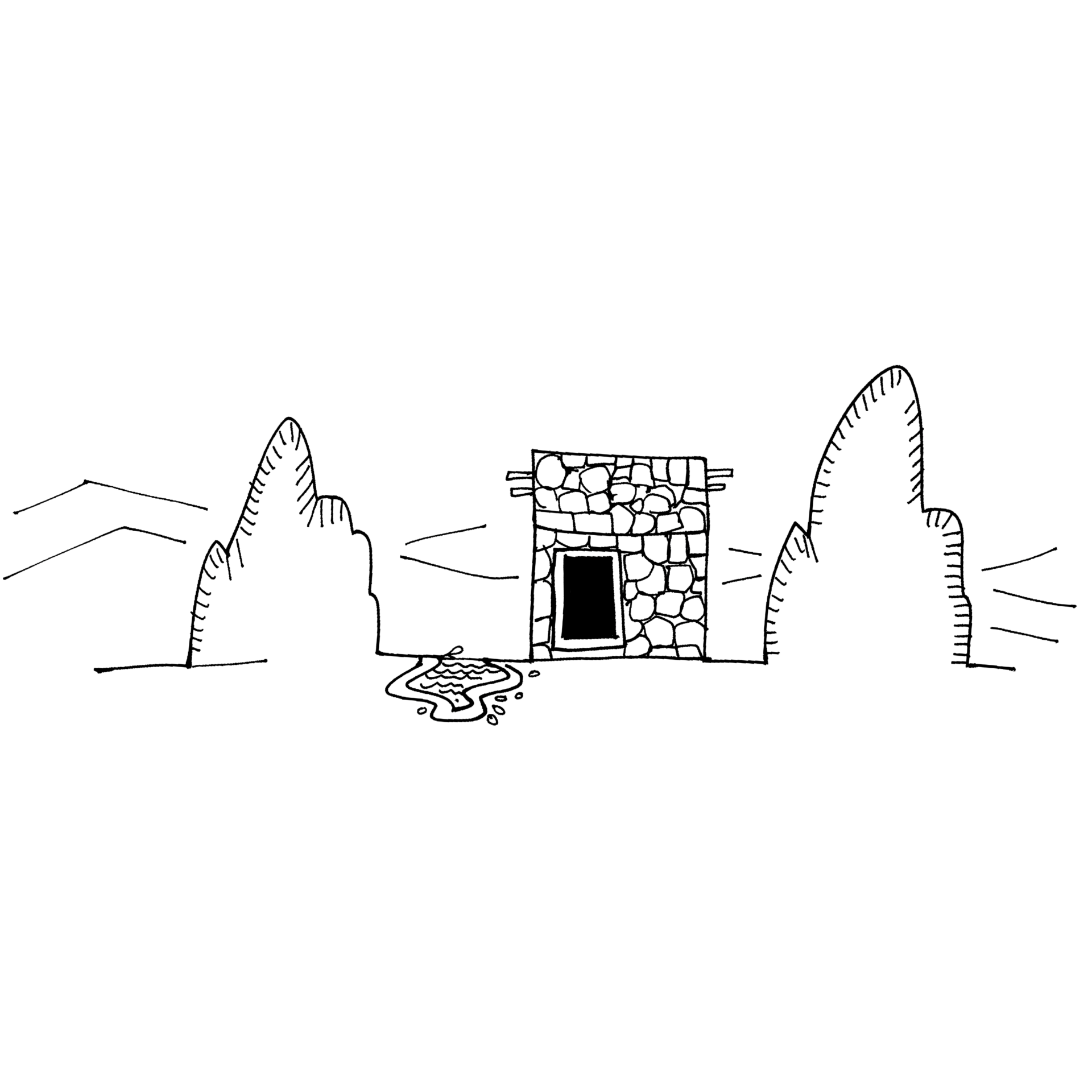
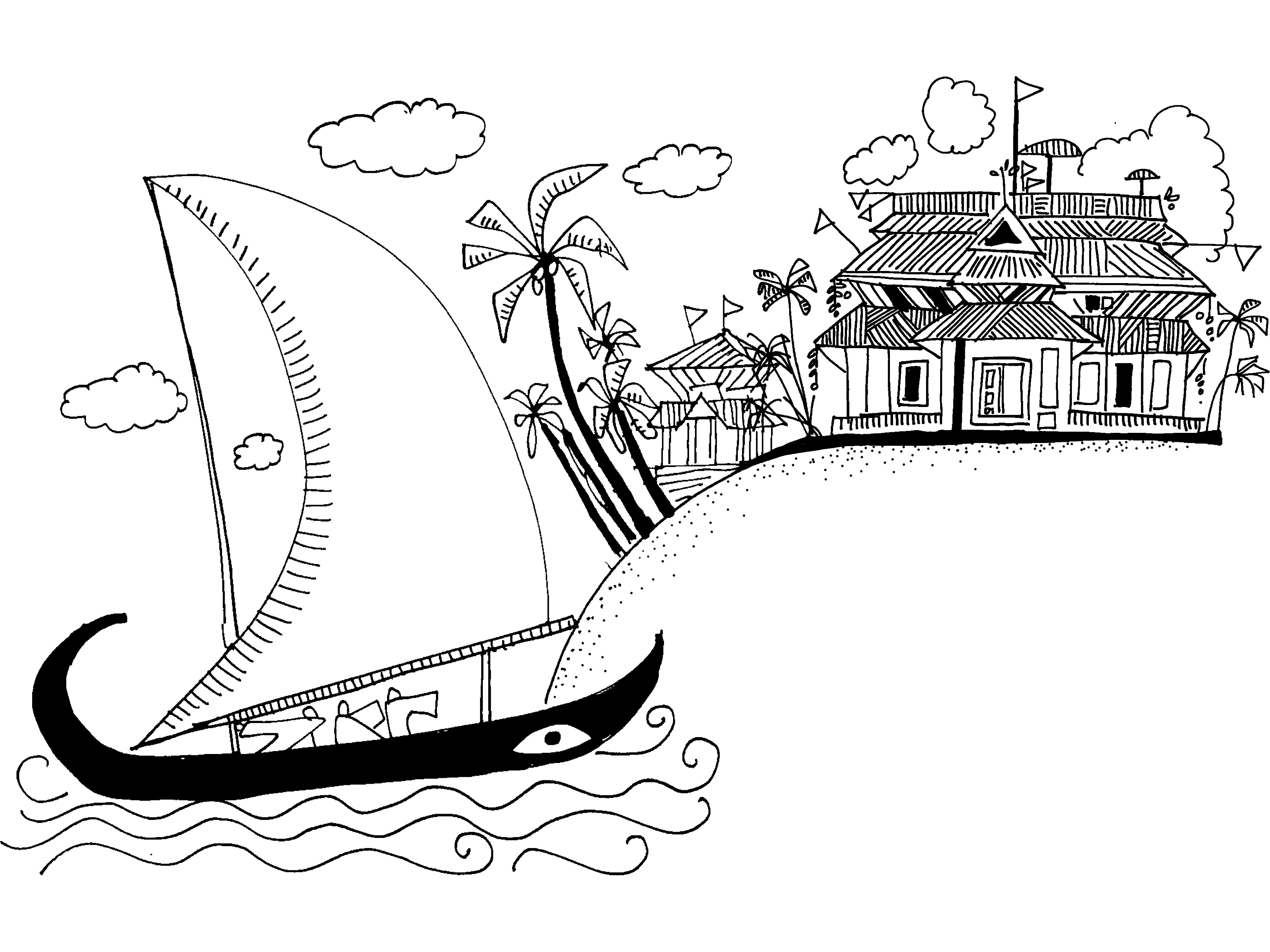
Few people know about the Dungi caves of Mumbai that have now made way for the New Navi Mumbai Airport coming up at Panvel. In fact, most Mumbaikars do not know that Mumbai is full of Buddhist caves (Kanheri, Mahakali), some of which became Shiva caves, like the Elephanta caves on Gharapuri island, that one sees when crossing the new Atal Setu. These were not really religious sites. These marked trading posts and emporiums. Ships from West Africa and the Middle East would come here to trade, bringing with them horses and trading them for cotton fabrics. The ships would dock away from the coast and make their way inland on tiny boats that plied the creeks, estuaries and rivers.
India’s long coastline experiences monsoon winds that create a highway over the seas, connecting the Middle East (Shveta-dvipa, white island) to Southeast Asia (Suvarna-dvipa, golden island) via India (Jambu-dvipa, land of Indian black plum). Until the arrival of European steam ships, wind power was harnessed by Arab sailors. This is why, along the coast of Mumbai we find many Dargahs of Sufi saints who came to India from Persian, Arabia and Egypt. Thus there is the Haji Ali shrine of South Mumbai, the Haji Misri shrine in Central Mumbai, the Haji Malang of North Mumbai. All coastal, all looking westwards.
This is where there are many communities who can trace their ancestry to Muslims, Jews and Christians from the Middle East and beyond. In Kerala, the son-in-law was a sailor, who came and went with the monsoon winds. This worked perfectly for the matrilineal mercantile communities. Women stayed with parents while husbands went on trading missions.
The western coast of India is linked to goddesses like Vahanavati of Gujarat, who can cause tempests, and to Parashuram whose blood-stained axe caused the sea to recoil in horror and reveal the coast. There are stories of mercantile communities who were originally Kshatriyas but were spared when they promised Parashuram they would give up arms and take up trade.
Ships from the west coast found it difficult to go to the east coast. Going around Sri Lanka was not easy. It was easier to cross the Indian subcontinent by land and then from the east coast sail to Southeast Asia. There was one trade route through the Sahyadris along the Godavari coast and another through the Palaghat gap of Kerala. Arabian Horses came to South India by the sea route as the Turkish horses were taken by Delhi sultans. From the east coast, ships would sail to the island of Java and then to Vietnam and China. Later ships would sail to Thailand and Burma.
These trade routes explain why Mahayana Buddhism spread to Southeast Asia. This happened between 500 AD and 1000 AD. Then we have the rise of Islam in the same route after 1000 AD. In Burma, Thailand and Sri Lanka, Theravada Buddhism flourished and resisted the influence of Malaysia and Indonesia. In these lands, Ram became an imperial motif. Buddha and Ram shared the same royal lineage – Ikshavaku (Okkaka in Sri Lanka). Ram was the ideal king. Manusmriti served as law texts in these lands. So what emerges is a mix of Buddhism and Hinduism. These were the old Mandala states, based on charismatic kings, very different from Sultans, who followed the Islamic Sharia.
Sailors prayed to the Bodhisattva Avalokiteshvara for protection during travel. This was in contrast to Brahmins who forbade sea-travel. So many Hindus shunned Brahmins and followed non-Brahmin forms of Hinduism. Shiva became a popular god in Tamil Nadu. Chola kings around 1000 AD followed Shiva’s path and challenged the Buddhist might of Sri Lanka and Indonesia. The icon of Avalokiteshwara who carried Amitabha Buddha on his head and had Tara by his side was often confused with Shiva who had Ganga on his head and Parvati by his side. We find both of them in Mumbai and Southeast Asia islands.
Along the coasts of India and islands of Southeast Asia we find festivals linked to monsoon winds. Before the monsoon, after the new moon, Deccan trade routes celebrate Ugadi. After the monsoon, on full moon, fisher folk of Konkan celebrate Narali Poornima. Tamil Nadu celebrates Masi Magam on the coasts after the end of winter monsoon, which fills all local water tanks, and people remember those who died at sea. Northeast monsoon winds meant that ships arrived in Odisha around August and left around October. So there is the vow of women praying from sailor brothers (Khudurkuni Osa) to return home in August and people sailing paper boats during Bali Jatra on Kartik Poornima. In Southeast Asia, there was Nyeti or silent festival of Bali in March, the Songram festival in April of Thailand and the December boat festival (Loy Kratong) of Thailand, celebrating ships that arrived from Kalinga.