Published in Corporate Dossier, ET on July 22, 2011.
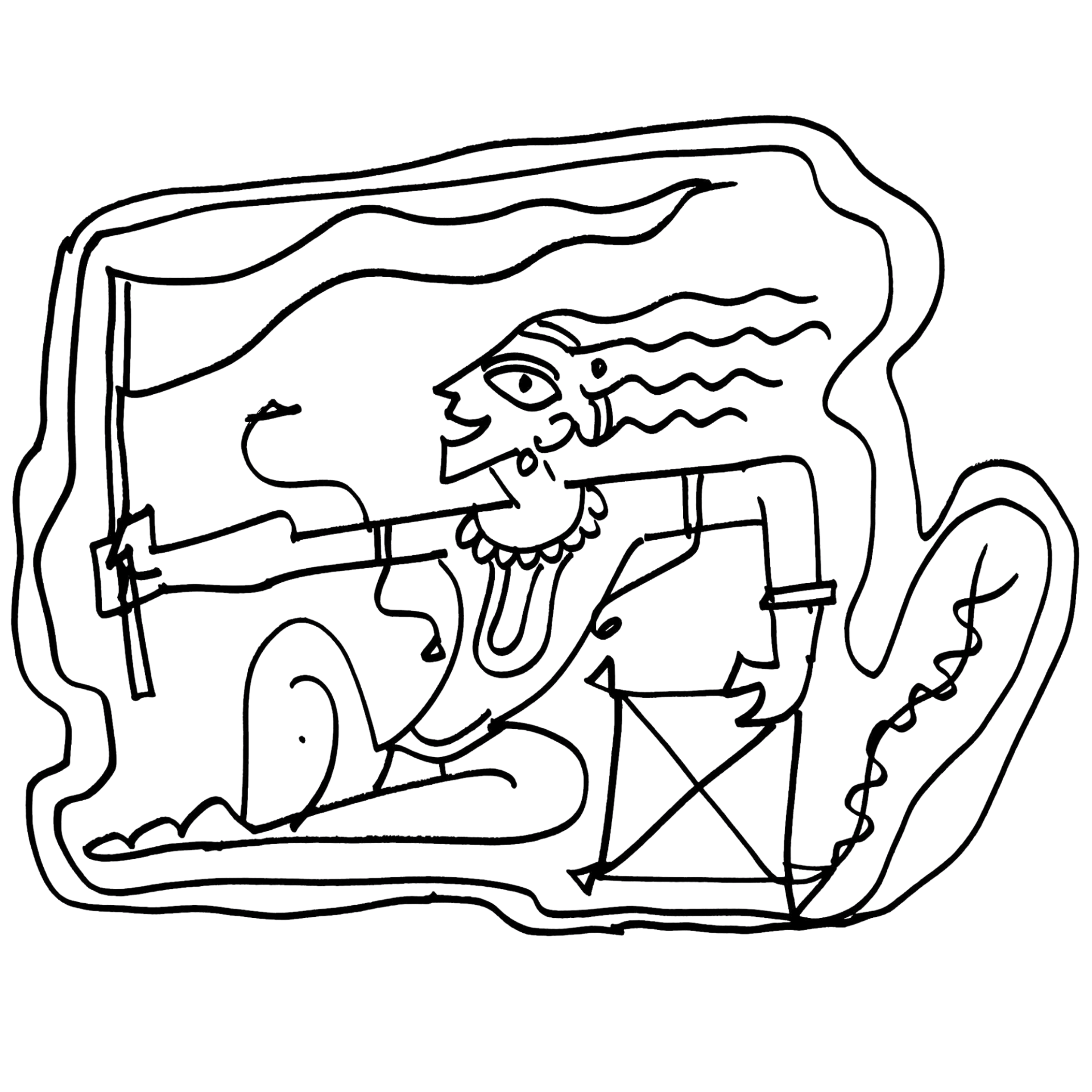
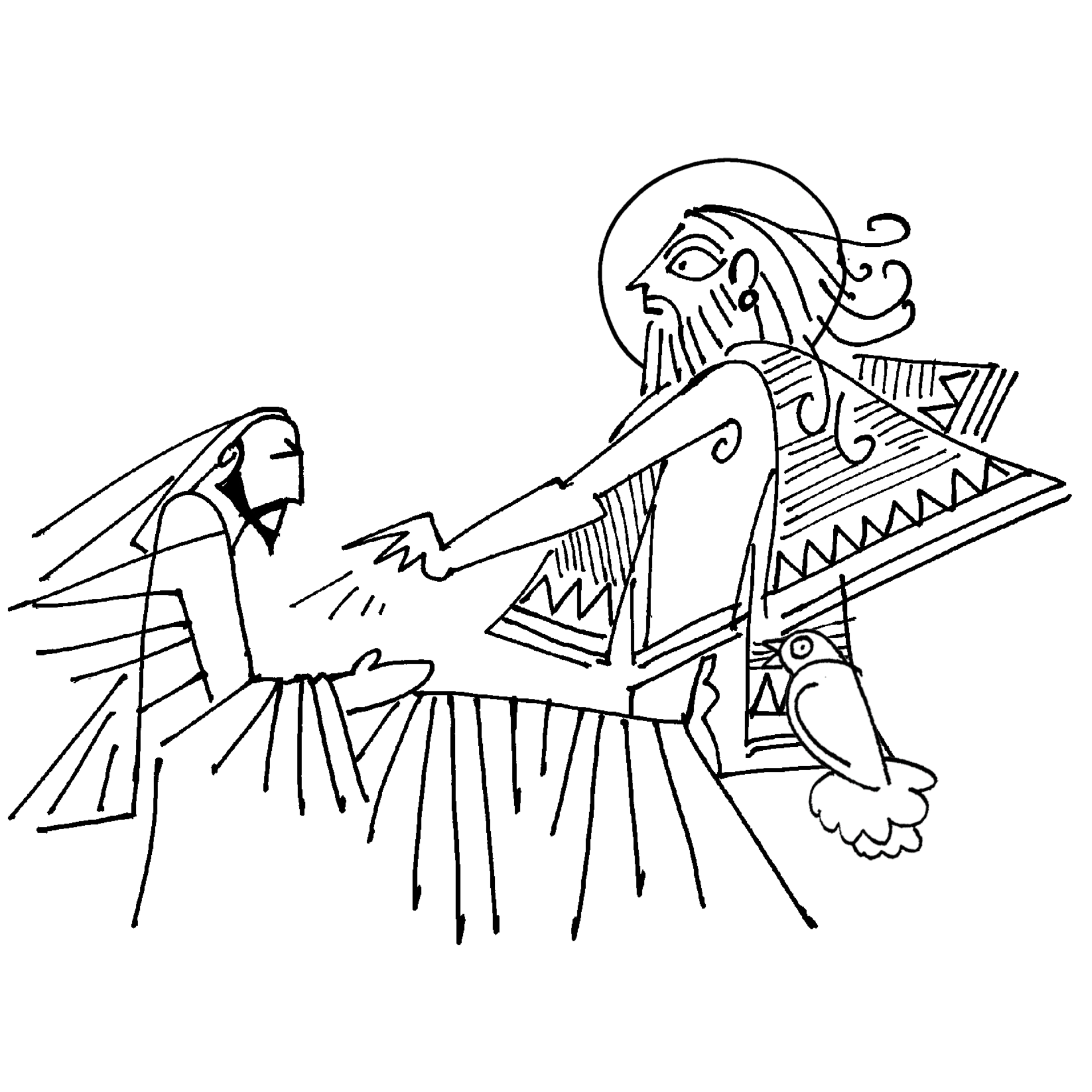
It is curious that the forest-exile is central to both the Ramayana and Mahabharata, the twin epics of India. In the Ramayana, Ram goes into exile so that his father can keep his word to his step-mother, Kaikeyi. In the Mahabharata, the Pandavas go into exile following an agreement with their cousins, the Kauravas, when they lose their kingdom in a gambling match.
The reaction to the exile in both epics is startlingly different. In the Ramayana, Ram keeps saying that neither Kaikeyi nor his father should be blamed and the moment should be accepted as an act of destiny. In the Mahabharata, the Pandavas keep blaming the Kauravas and their uncle, Shakuni, for fraud and trickery. Ram looks calm and peaceful, even though he is clearly the victim of palace politics. The Pandavas, on the other hand,are angry and furious, never once taking responsibility for the fact that they gambled away their kingdom.
The loss of kingdom and exile into the forest is a metaphor for misfortune, the bust! But the approach to it distinguishes Ram from the Pandavas, making the former a king worthy of worship.
Managers can be classified into Ramayana Managers and Mahabharata Managers. The former take responsibility for a situation, even if they are not to blame. While the latter do not take responsibility for a situation, even if they are to blame. Ramayana managers typically internalize the problem. Focus on what they can do to manage and resolve the crisis. Mahabharata managers typically externalize the problem and spend a lot of time and energy finding people and processes to blame.
Two days after Raj moved to his new office, his entire team resigned. He was not the cause. A series of events had taken place before he joined the team and he was witnessing the exit process. Since Raj represented the senior management, on the second day of the job, he had to take exit interviews and hear all the outpourings of negative emotions of those leaving. He had to hear all the terrible things the organization had done and how the person before him had betrayed their trust. All Raj could do is go through the process, endure the irritation of the exiting team. He did it with stoicism. Never once getting angry for the awkward position he had been put in by the management, never once complaining to his superiors, never once regretting his decision to take up this new assignment, never once feeling he had been duped into an unpleasant situation that was not of his own creation. In the large organization that he belonged, few knew that he had no role in the crisis. The system revealed him as the manager on duty at the time the resignations were tendered. That somehow made him the cause of the unpleasant effect. Raj took this all in stride as the reality of corporate life and focused on what he could do, rather than what he had no control over.
Sachin on the other hand is on the verge of a nervous breakdown. His predecessor’s mess had created havoc and he was expected to handle it on the day he joined as the boss of the local branch. Customers were screaming, subordinates were yelling and Sachin did not know what to do. So he picked up the phone and complained to the HR department for not warning him of the situation. He called his boss who had hired him and encouraged him to take the post for not preparing him for what he was in for. Sachin felt betrayed by the organization. He blamed the head hunter for tricking him to take up this job. He could not go back to his previous organization; he had burned all his bridges there. He had moved to a new city with his family and there was no going back. This was not the promotion and payrise he imagined. He had been tricked. He was angry. He felt helpless. He felt like a victim.
Both Raj and Sachin are victims of circumstances. Both have taken decisions to move out of their previous situations. Neither expects the current situation to be such a mess. But Raj takes this without complaint. Sachin is full of complaints. Raj, like Ram, does not add to the crisis. Sachin, like the Pandavas, simply adds fuel to the crisis. Not surprisingly, everyone wants Ram as their manager, not Sachin.