We frequently hear the word “sustainability” in the 21st century. This word wasn’t widely used in the 20th century, a period that focused on growth, allowing the rich to become richer. Few noticed that the poor were growing poorer. But as the world becomes increasingly unequal, with rising anger about how the poor have been deceived by the rich through ideologies like capitalism, communism and globalism, the rich and powerful are feeling threatened. They are now turning to consultants to discuss sustainability-hoping to secure their wealth forever.
Is this a cynical assessment of world history, or is it the truth?
The rich and powerful always seek immortality. The first Chinese emperor felt he deserved to live forever and so had got his Taoist sorcerers to work overtime to find him the elixir that will keep him eternally alive.
Chinese mythology tells the story of the Monkey King, a powerful, Hanuman-like figure born from rocks, who is extremely strong, intelligent, and refuses to remain a mere monkey. Dissatisfied with his lot in life, he tricks the gods of the underworld, striking his name from the book of death. He overpowers the Dragon King of the sea to obtain the world’s most powerful weapon, frightening the gods, who invite him to heaven but assign him a lowly position in the cosmic hierarchy. The Monkey King, furious at this humiliation, steals the peaches of immortality, becoming even more powerful and causing havoc among celestial beings. Eventually, he is trapped in a cave. This is finally achieved under the Buddha’s guidance.
This Chinese story is not about social mobility; it’s about knowing one’s place in the hierarchy. The rich are encouraged to be ambitious while the poor are expected to be satisfied with their lot. Even when the poor are told to aspire, nothing restrains the ambition of the wealthy, who ensure they are always on top, in both Capitalist and Communist regimes.
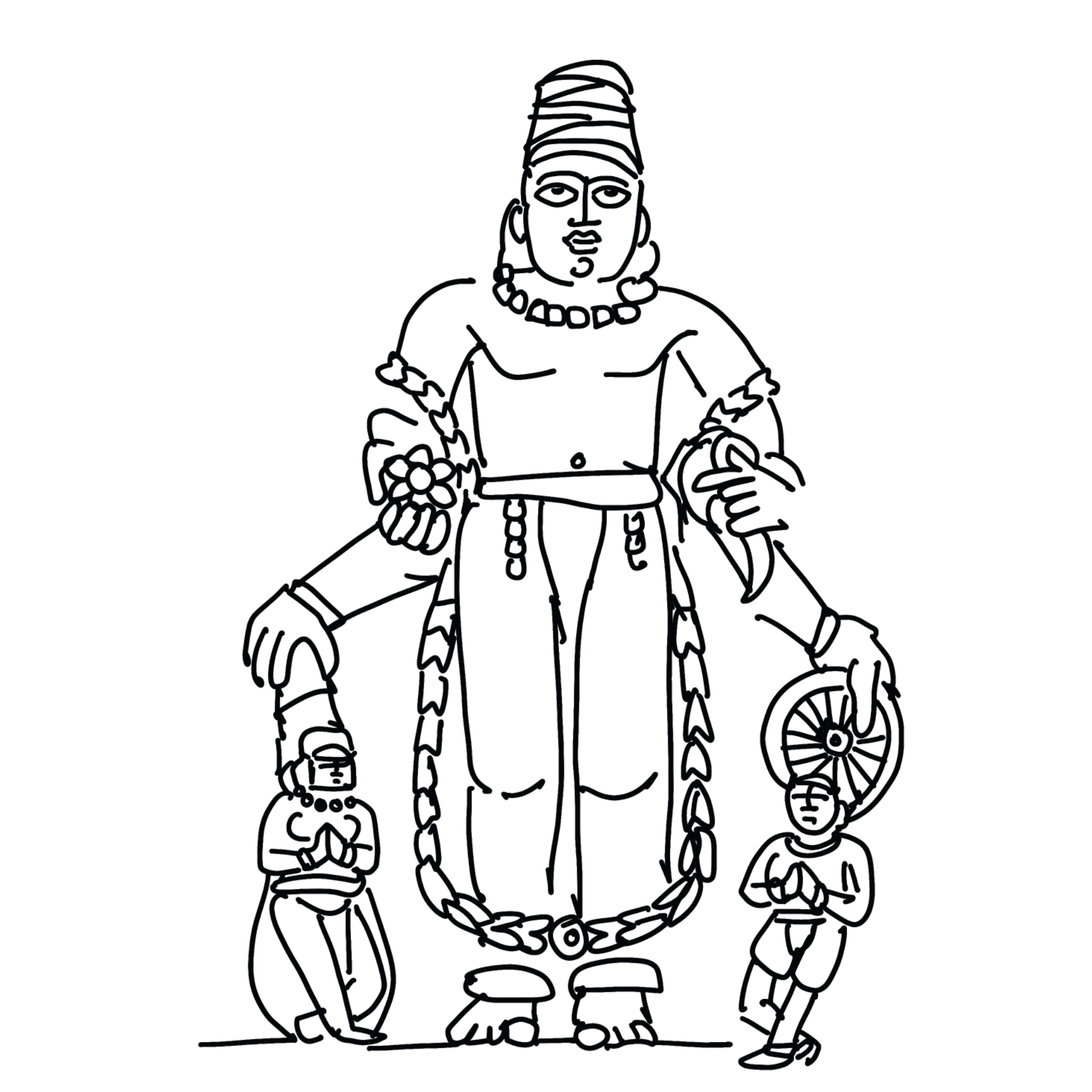
The Hindu Devas churned the ocean of milk, not only for life’s pleasures but also to obtain the nectar of immortality, so they could enjoy those pleasures forever. However, they made one mistake: they didn’t share the treasures that emerged from the ocean with their enterprise partners, the Asuras, their half-brothers. Denied access to paradise’s pleasures and the eternal youth guaranteed by amrita, the Asuras repeatedly attacked Swarga. Hindu mythology is full of stories where the Asuras gain powers and seek to overpower the Devas. The Devas win each time, but their victories are never complete-the Asuras keep returning, regenerating and arriving with newer, stronger weapons. It almost mirrors human history; no matter how hard one tries, the barbarian is always at the gates.
In a truly equal world, no one can feel rich as no one will be poor. To feel rich one needs inequality to exist. Without the Asuras being denied paradise’s pleasures, how can the gods truly enjoy its fruits? Swarga needs Naraka to exist for its pleasures to be pleasurable. There is no sense of achievement if everyone’s a winner, a simple psychological fact that escapes most economists but is well understood by politicians. We need failures and losers to exist for the successful to enjoy their achievement.
When a politician or businessman tells the youth to be more productive, work longer hours, it means he wants higher output from the youth without paying them more wages. It’s called efficiency: same investment, more returns. If one employee works twice as hard, the tycoon does not have to hire more people or pay more wages. Thus he sustains his wealth and power. Lower costs, higher profits, higher revenue, greater output from the same number of employees. This is the reason why developed economies hire people from developing economies. Cost arbitrage, it is called. It benefits poor nations, until they are rich enough to renegotiate. Meanwhile it increases inequality in rich nations, changing voting patterns.
Sustainability isn’t about transformation-it’s about holding on to one’s position forever. It is about sustaining the old order, the old inequalities, the old hierarchies. Yet history shows us that this never lasts, even if we convince ourselves of the unending power of banking families lurking in the background of great empires.
The Roman Empire did not last. The British Empire did not last. The Mughal Empire did not last. Yet, every successful corporate, rich business house, every developed nation believes they have the secret of immortality, a magical model of sustainability that can help them withstand even unforeseen calamities.