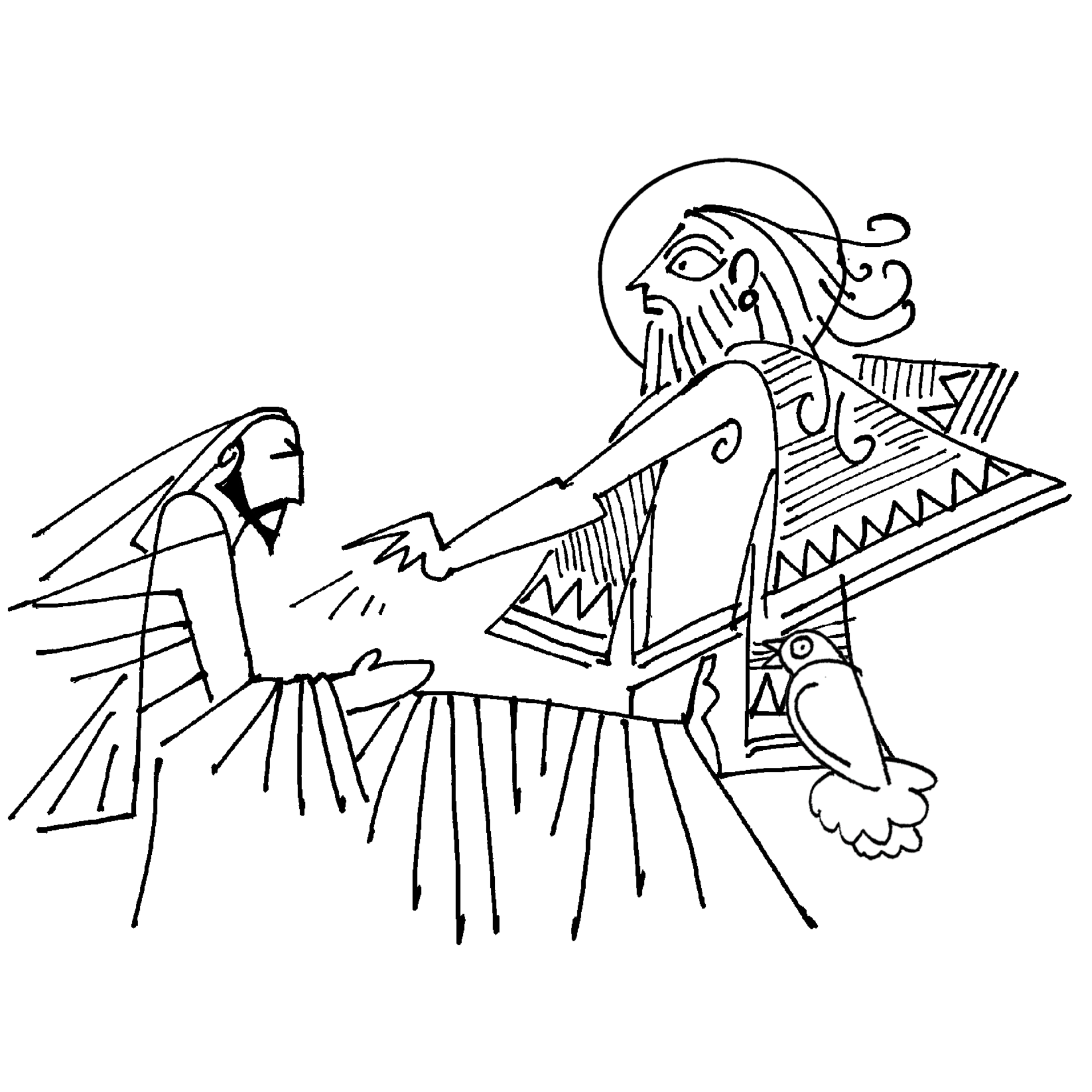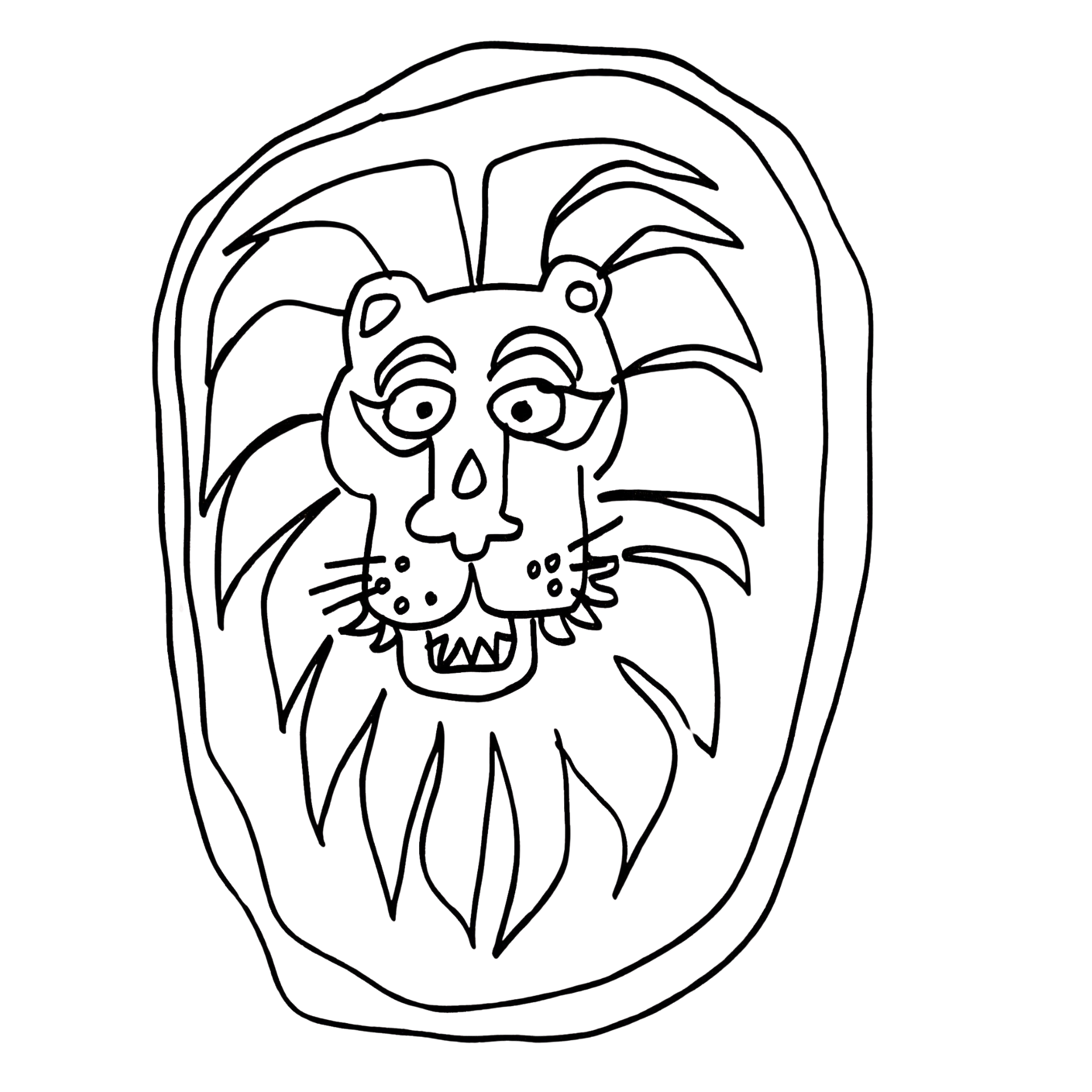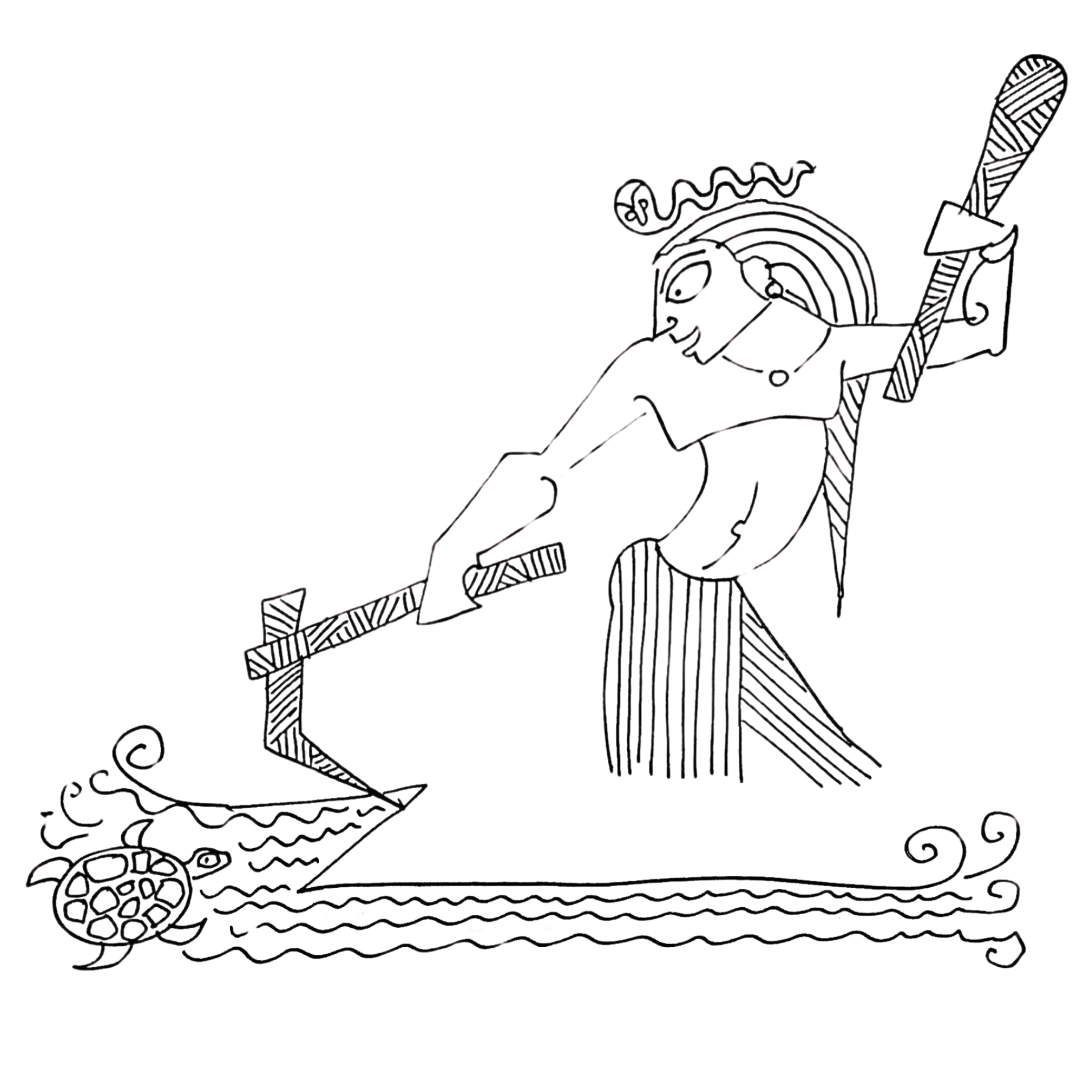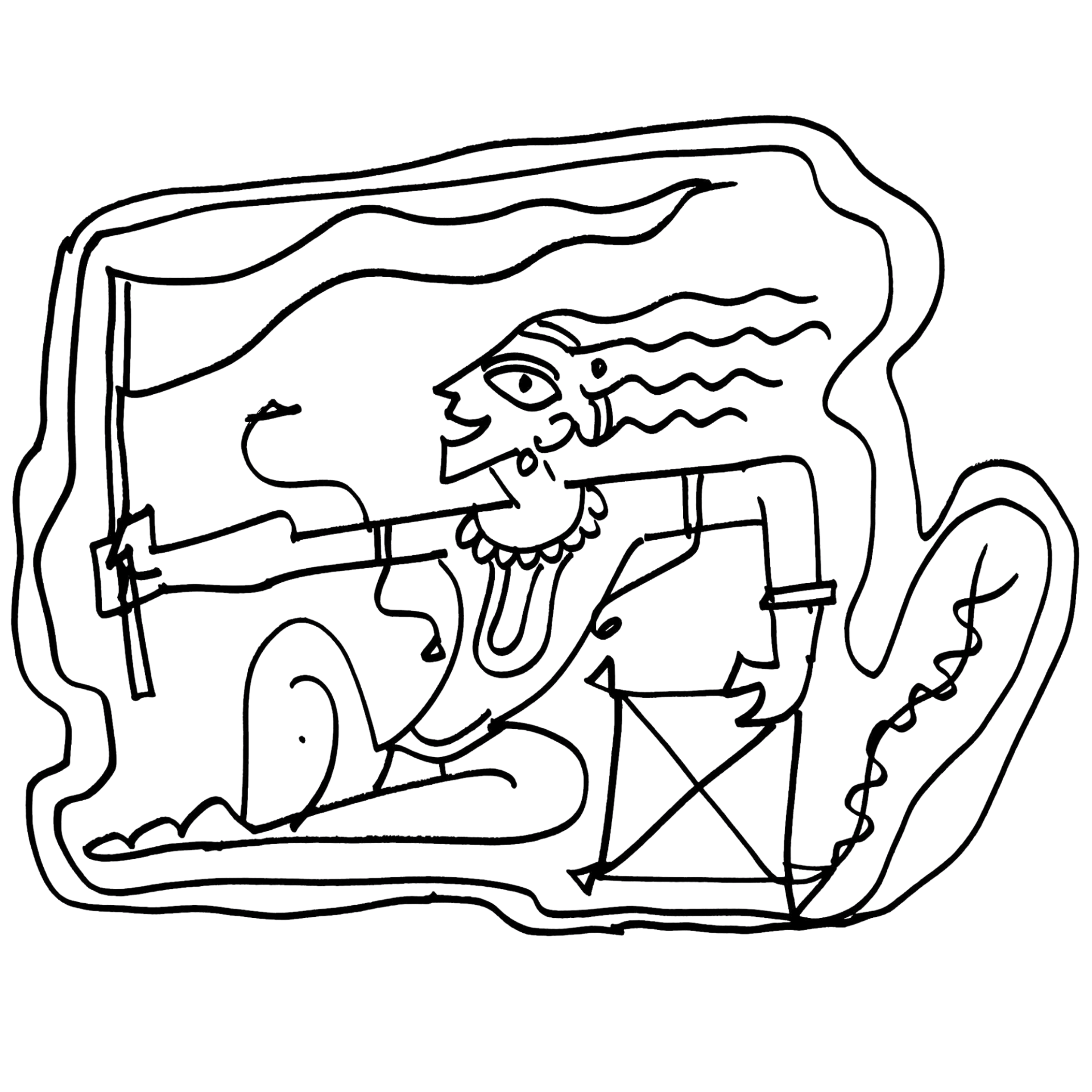
In Hindu thought, Vayu, Marut, Vata, and Prana represent different ways in which breeze as well as breath were imagined.
Vayu is the oldest and most cosmic of the wind gods. In the Rig Veda, he is a swift-moving deity who rides across the skies, often in the company of Indra. He is associated with breath, speed, and life-giving motion. Vayu is also linked to soma, the sacred drink, which he is said to taste first among the gods, suggesting his role as the first receiver of life-energy. In later mythology, Vayu becomes the divine father of Hanuman as well as Bhima. Here, wind becomes heroic vitality, the force that animates epic action.
Marut or the Maruts are storm gods, often described as a troop of fierce, young warriors who accompany Indra in battle. They ride the winds, shake mountains, uproot trees, and release thunder and rain. They are the sons of Rudra and embody violent atmospheric energy. In many hymns, they assist Indra in slaying the dragon Vritra, who holds back the waters. Their role is to create turbulence so that rain can fall and fertility can return. Unlike Vayu, who is singular and subtle, the Maruts are collective and aggressive. They represent the roaring winds of the monsoon, the storm that breaks drought. In them, wind becomes destruction that enables renewal. Marut is why Hanuman is called Maruti.
In Ayurvedic thought, Vata becomes one of the three bodily doshas, governing motion, circulation, nerve impulses, and respiration. When balanced, Vata enables creativity and agility. When disturbed, it causes anxiety, dryness, and disease. Here, wind shifts from mythic deity to physiological force. It causes restlessness, bloating and fatigue.
Prana represents the most inward and subtle understanding of wind. It is breath, life-force, and consciousness-energy combined. In the Upanishads, prana is described as the ruler of the body. When prana leaves, life ends. The organs quarrel about their importance, but when prana prepares to depart, they collapse, proving its supremacy. In yogic traditions, prana flows through subtle channels called nadis and concentrates in energy centers known as chakras. Through breath control, or pranayama, one learns to regulate not just respiration but emotion, attention, and awareness. Prana is not weather or storm but inner wind, the movement of life itself.
Stories reflect these layered meanings. When Hanuman leaps across the ocean to Lanka, it is Vayu’s son mastering external wind. When Indra battles Vritra with the Maruts, storm winds tear apart cosmic blockage. When yogis suspend breath and enter deep meditation, prana is stilled, revealing inner silence. When Ayurvedic texts describe nervous disorders as Vata imbalance, wind becomes physiological rhythm.
Together, these forms show how Hindu imagination refused to reduce wind to a single idea. Wind could be divine father, storm warrior, elemental force, bodily principle, and spiritual energy. This multiplicity reflects an ecosystem-based worldview, where air connects sky, earth, body, and mind.
Unlike Greek or biblical traditions, which often personify wind as singular deities or angels, Hindu thought preserves its plurality. Wind is many because life itself is many. From thunderclouds to breathing lungs, from battlefield fury to meditative stillness, wind becomes the thread linking cosmos, body, and consciousness. In this layered vision, to breathe is to participate in the universe, and to control breath is to reshape destiny.