Published on 20th February, 2022, in Mid-day.
Now-a-days, we do not see the Mediterranean world as a unit. We see the northern shores as European and Christian, and the southern shores as African and Muslim. But for hundreds of years, the entire Mediterranean was a unit controlled by the Roman Empire. Wealth from these regions flowed into the city of Rome. Egypt was called the granary of Rome.
About 1,700 years ago, the Roman Empire became Christian and the Emperor decreed that everyone in his land should follow Christianity. This is the first time when religion became a political tool. And all local cults and pagan practices were wiped out and replaced by Christianity, and its churches. The church that still survives from that period is, of course the Roman church, and the church in Ethiopia. But at one time, Egypt was also a major centre of Christianity.
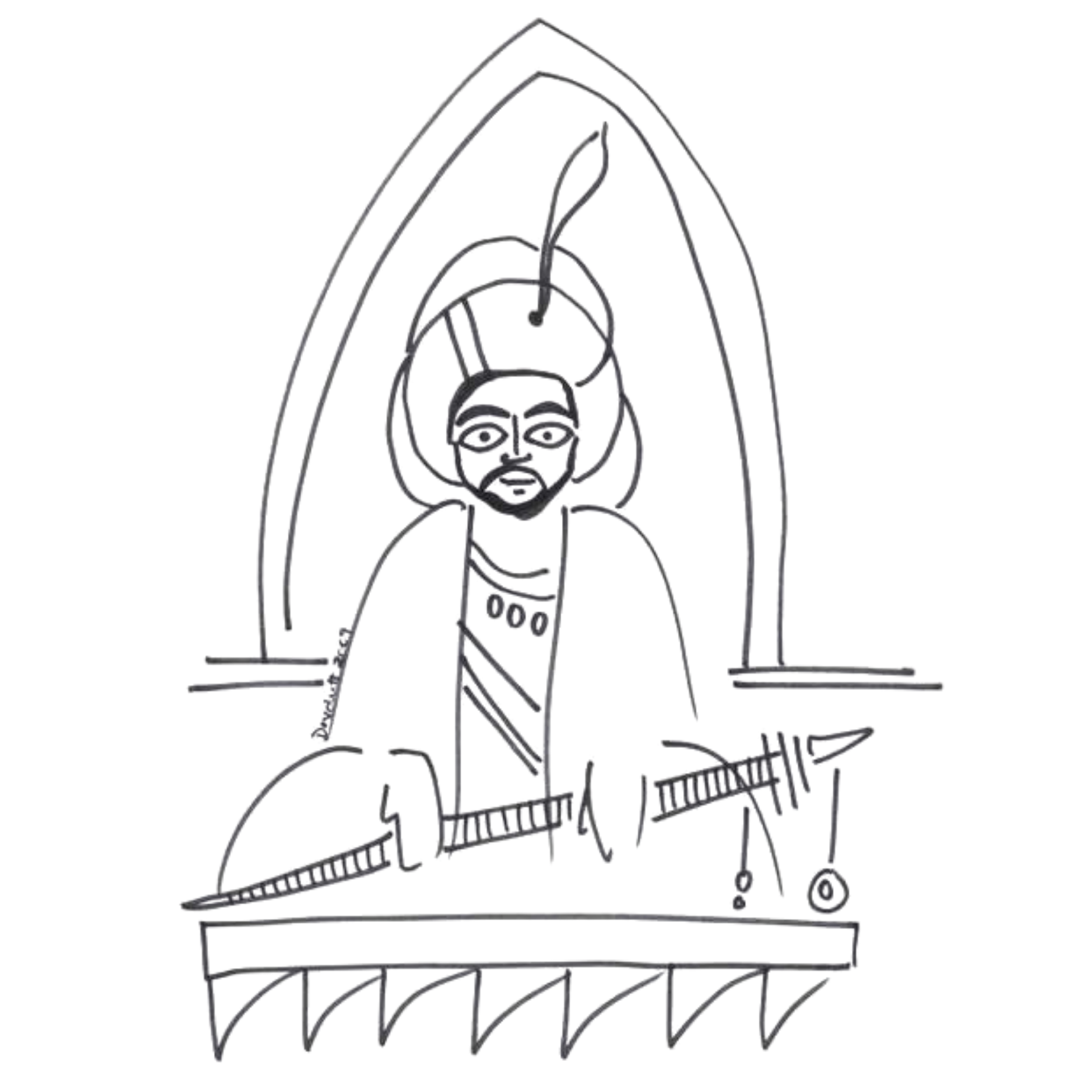
Three hundred years later, i.e. 1,400 years ago, a new thought emerged in Arabia called Islam, which challenged the might of the Christian Roman Empire, and spread rapidly eastwards, and westwards. Eastwards taking over Persia right up to Sindh and westwards across the North African coast all the way upto Spain. Thus, it is the rise of Islam that split the Mediterranean world, into the northern Christian, and these southern Muslim halves.
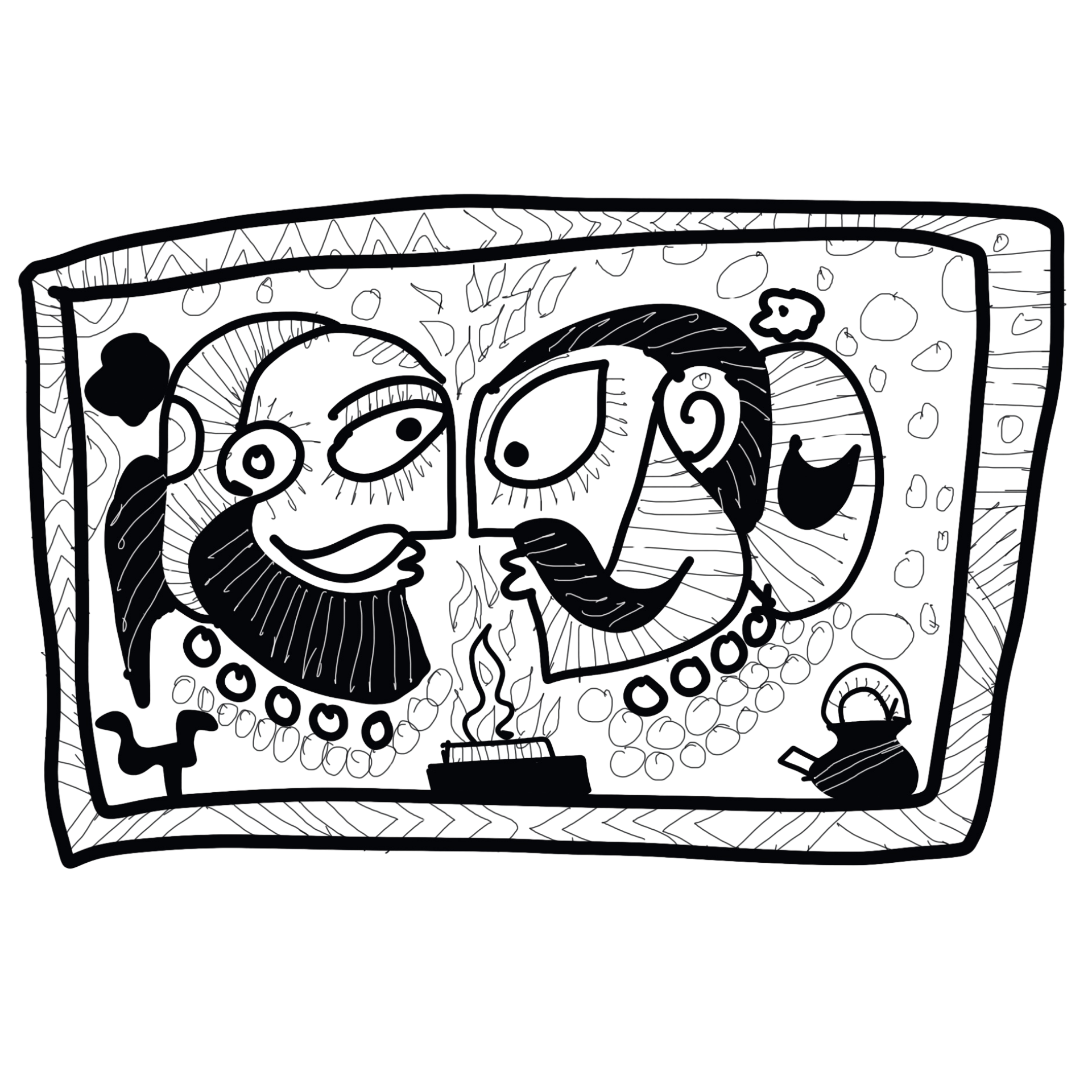
Christianity keeps referring to the idea of the Body of Christ. The Body of Christ, specifically refers to the physical Body of Christ, which was resurrected and will reappear during the end of the world. It also refers to the body of believers, the Church. By contrast, the Islamic world is anchored on the Kaaba, a cubical room, located in the city of Mecca, in Arabia, around which the faithful walk during the pilgrimage known as Hajj. This empty room is covered with cloth, and washed at regular intervals. Built by Adam and rebuilt by Abraham, this is said to have been where angels worshiped Allah at the time of creation.
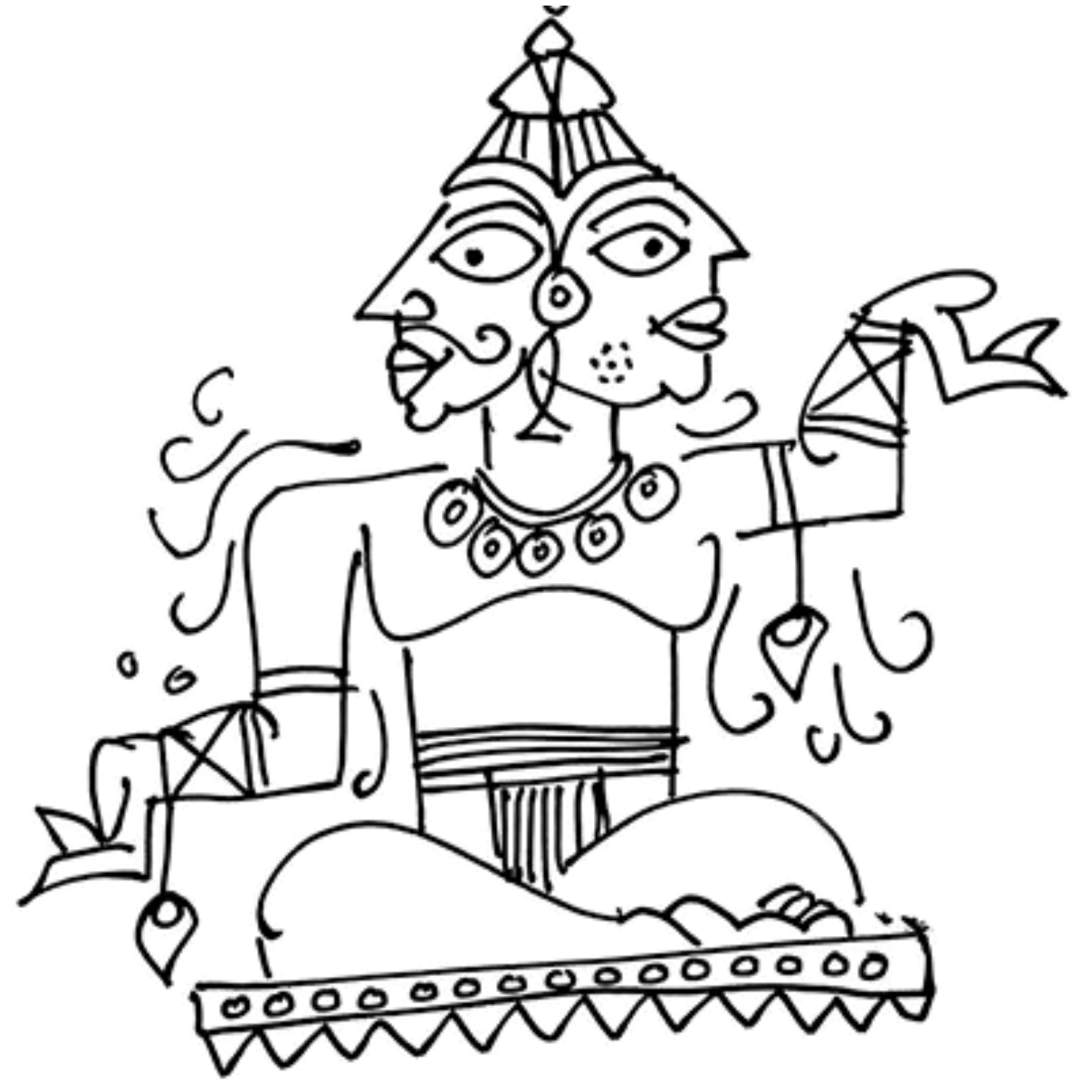
So in Christianity, the Body of Christ is valued, while in Islam, the House of God is valued. These beliefs of locating God in a body or in a house can be traced back nearly 4,500 years. At that time, ancient Egypt was controlled by the Pharaoh and the Pharaoh was supposed to be god on earth, who had descended from the heavens, and therefore his body was sacred and when he died, his body was preserved through numerous magical rituals, and mummified and kept. Meanwhile, people of Mesopotamia in their city states worshiped gods who lived in these gigantic houses on top of artificial brick mounds known as ziggurats. Humans were created to work for these gods. And so, all rituals revolved around the care of these high-walled houses of the gods.
Egypt was united by a single god-king’s body, while Mesopotamia was fragmented, with multiple House of Gods, competing with each other. This old practice continues even today with the metaphorical Body of God valued in Christianity, while the many houses of many gods in Mesopotamia are now replaced by the one in Mecca. Forms change over time, but older foundations remain firm.