Published in Corproate Dossier, ET, March 29, 2013.
I own a family business that has multiple businesses and the turnover is over 500 crores. I am very driven and very focused on results and as a result I lose my temper often when people goof up or don’t deliver. I have thought about it many times in a objective way. And while my temper has negative results in terms of people quitting and becoming demotivated, I feel that it’s also a great way to push people. People work better under fear than things like motivational talks and fake ‘great jobs’. What’s your take on it?
You are clearly goal-oriented. Time for you to be gaze-oriented, which means increase your ability to see the subjective reality of those around. For that you have to understand Durga or external power.
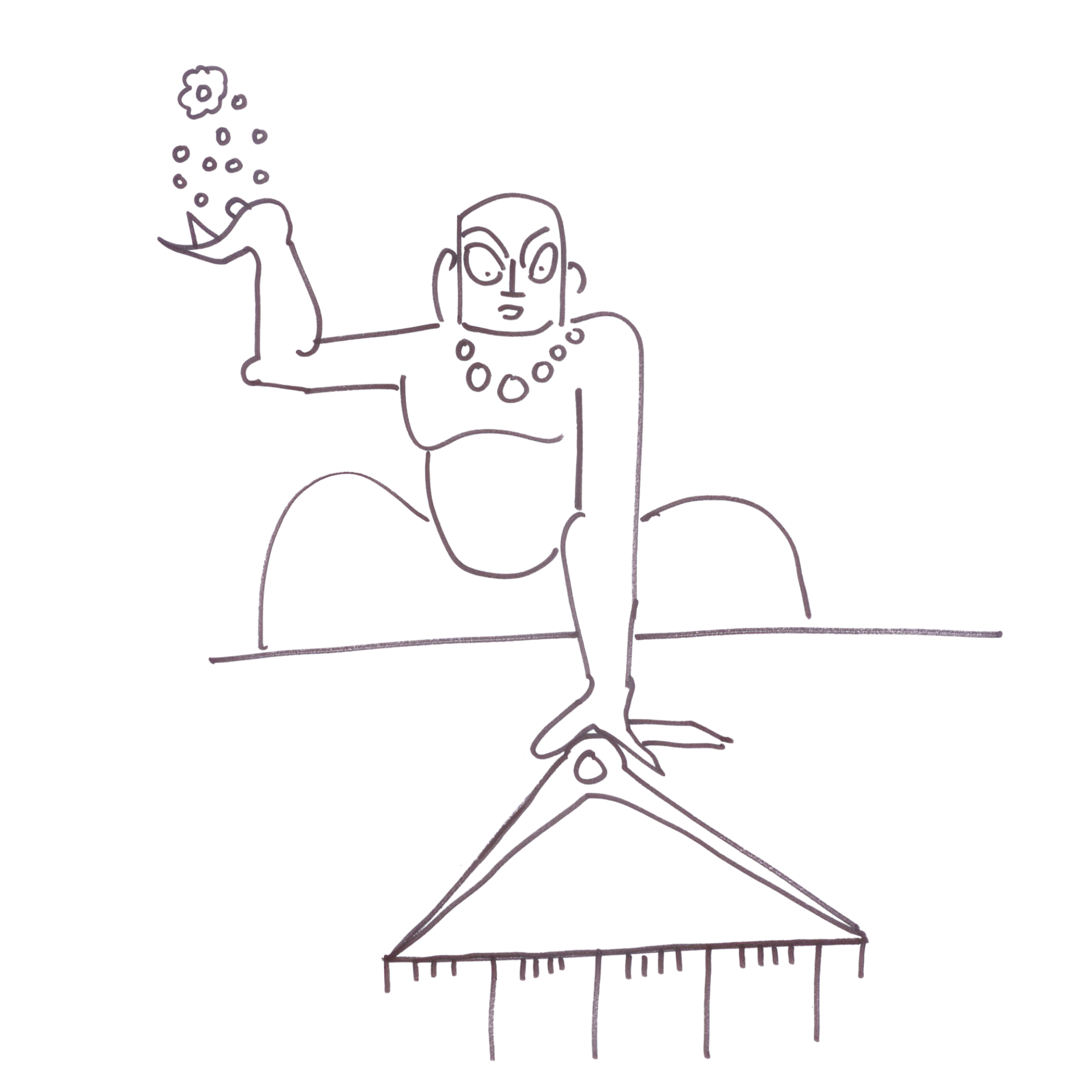
Durga needs to be separated from Shakti, or internal power. The gods had to defeat the buffalo-demon, Mahisha, and were told to release their inner power, Shakti, and merge it outside to create the goddess of external power, Durga, who would kill the demon. Shakti is our inner strength. Durga is the strength that we get from outside. Praise, for example, empowers us because we get Durga from outside. Insults disempowers us, we feel stripped of Durga by our critics. Thus Durga is a currency of exchange, just like wealth or Lakshmi. In all human interactions, there is exchange of Durga. We have a vast supply of Durga to give, but we rarely take advantage of it. Instead we are too busy taking power.
While striving towards your goal, you are so focused on your own goal that you fail to realize that it is not the goal of those around you. You are not even aware of their goal, whether it aligns to what you want or not. You see them as ‘resources’ — domesticated animals who have to do as you say. A donkey will do as you say, a horse and ox will do as you say, with suitable reward and punishment, but these are human beings who do not respond as farm animals. Their failure to respond, as you want them to, frustrates you. But your treatment frustrates them. You are not providing Durga — worse, you are taking Durga. No one feels empowered. A disempowered team is unable to reach its goal. And that angers you, making you want to deny other people power. No one wins. Problem is, you see them as the problem, those who have been stripped of power by you.
A motivational talk, or fake ‘great jobs’, as you call them, grants power to people, makes them feel they can do it. Not everyone has Shakti, most rely on Durga from external sources. External sources are never as good as an inner source but that is okay. As a leader, you have to acknowledge their needs, provide for them, so that they will give you what you want.
Anger is a sign of helplessness. And you are helpless because you are unable to see this invisible transaction in your space. You want them to deliver (give you Lakshmi) but your shouting and screaming and insults is creating an ecosystem where nothing thrives. Fear works only until people have another option. Then, they quit.