Published in Corporate Dossier, ET on 12 March, 2010.
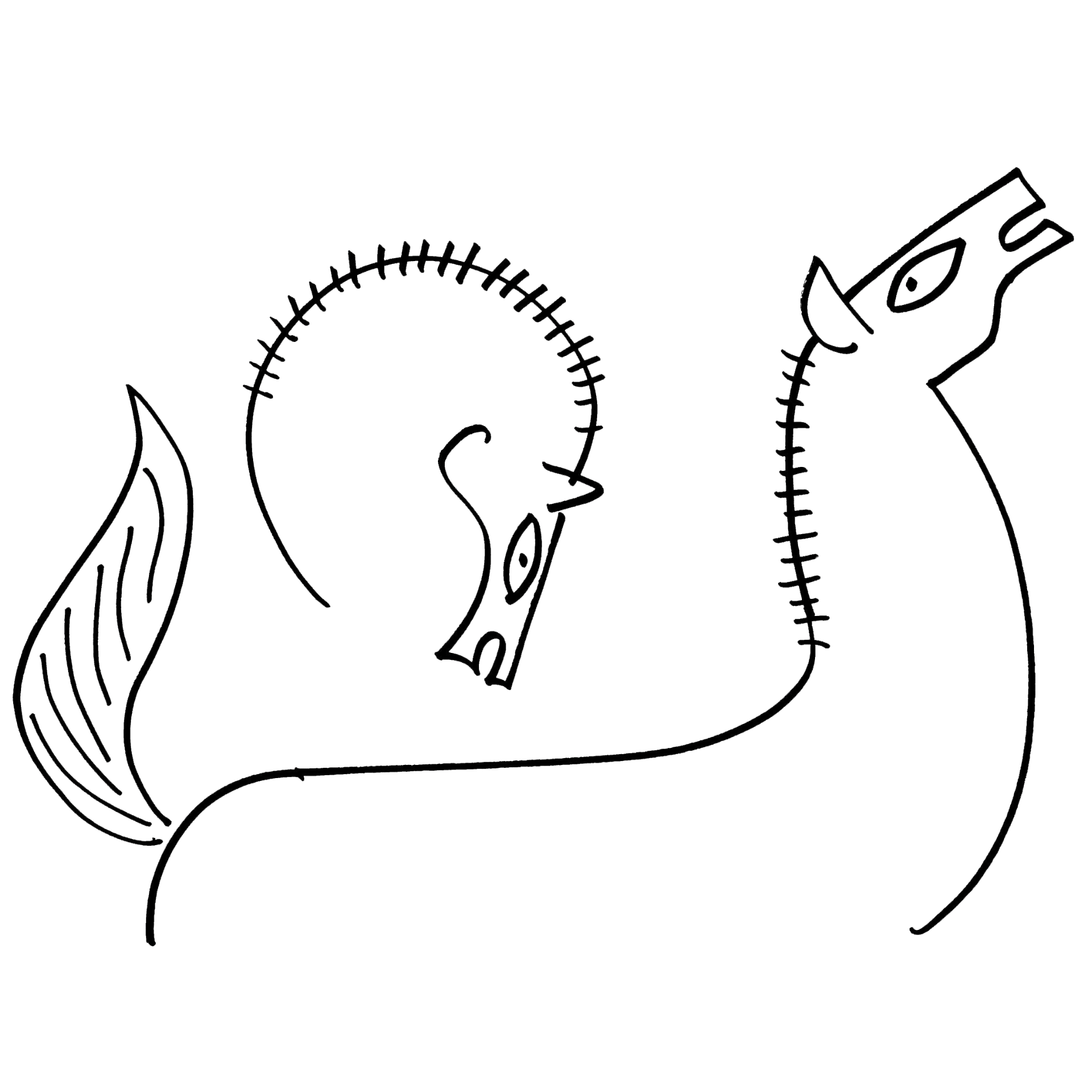
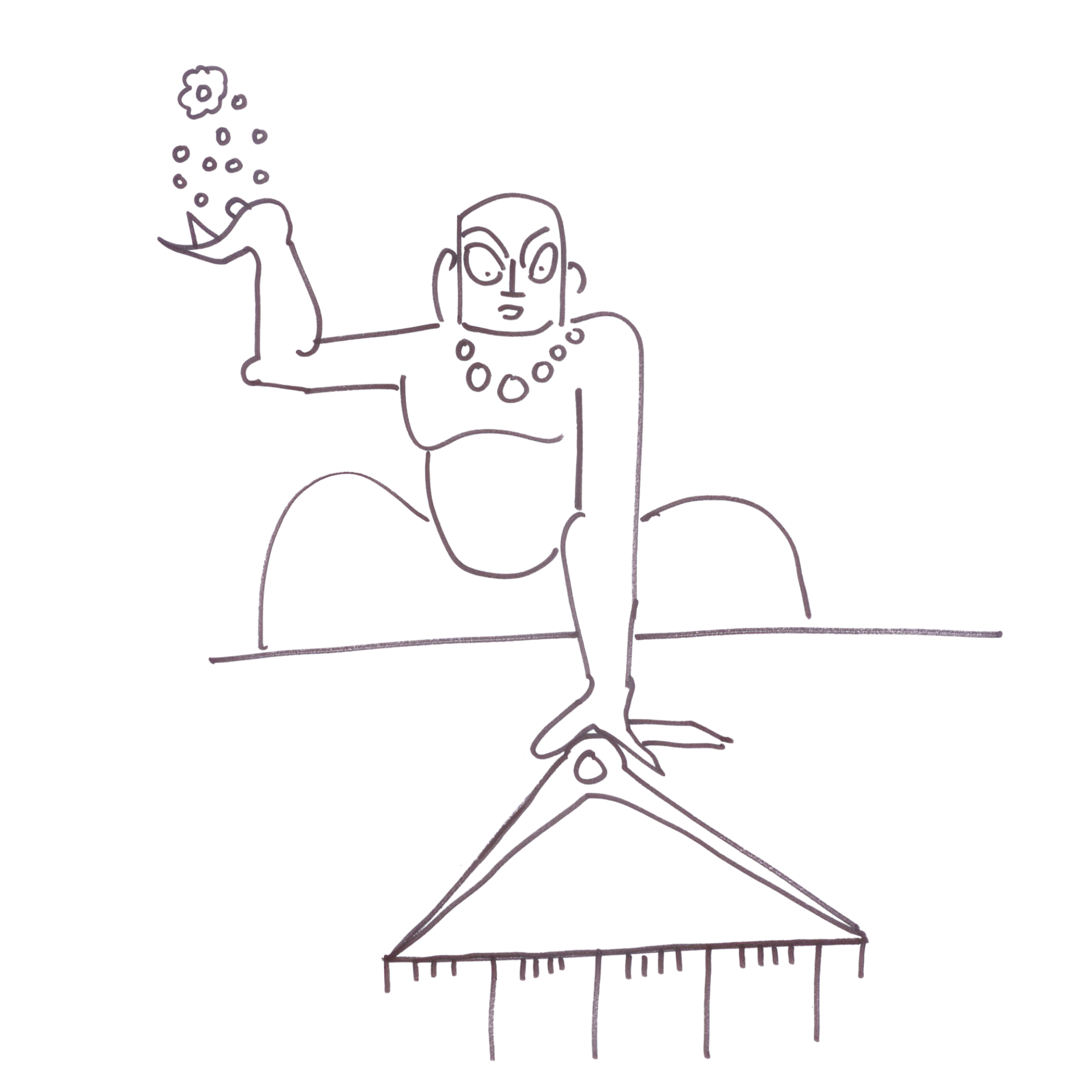
In Hindu mythology the god associated with fear is called the Bhairava. Bhaya means fear. Bhairava is a form of Shiva, the ascetic. This form of Shiva is associated with a dog.Why is a dog associated with the god of fear? Is it because a barking dog baring his teeth as he protects his master’s territory is fearsome? Or is it something else?
A dog is a needy animal.It is constantly afraid and insecure. It constantly seeks his master’s attention and validation. This need of validation from the master manifests in extreme loyalty.A dog is highly territorial; even the master is territory. He can get extremely upset and angry if he finds his master is paying attention to other people. If there are other dogs in the house, a pecking order is established so that the alpha male gets the first right to adore the master and eat the food that is placed before them.
The human mind is very much like a dog. We mark our emotional territories, intellectual territories and derive meaning from these territories. The provider of this territory — the boss — is much adored. Any threats to these emotional and intellectual territories unsettle us. We wag our tail when the boss celebrates us, thereby reinforcing our territorial hold over him. We whine when he chides us, thereby threatening our territorial hold over him. We do everything in our power to maintain the certainty and familiarity offered by our emotional and intellectual territories. We do our best to retain the meanings that familiar contexts give us. Any shift in context, any change in territory, frightens us, annoys us and we respond like dogs, growling and barking and biting. In other words, we are afraid. Through territory we try to overcome this fear. Yet territory ends up becoming the source of our greatest fears.It becomes like a dog’s bone. We cling to it tenaciously and fight over it tooth and nail. Bhairava draws attention to this dog within us as he rides on it. The dog within us is born of fear, the fear of invalidation and insignificance. He encourages us to overpower it.But that’s not easy.
Ratnam, for example, was not even aware of the dog within him. A successful lawyer, his territory was defined by the clients he had, his cabin at work overlooking the sea and the BMW he had recently been given. He never shared his clients, he would not let go of his work and he felt most satisfied as he sank into the plush seats of his BMW. He believed he had arrived in life, but in fact, his position was as precarious as ever. At a primal level, he constantly feared losing it all and clung to it tenaciously.
When the organizational restructuring took place, and he was asked to share his clients with others, he refused to do so. When forced, he did not share vital details. It was extremely aggravating when he was told to let go of his cabin. In the new structure, he was not entitled to a cabin. Everyone except the CEO would be sitting in an open office. This was apparently the modern way to do things. And there were questions about the BMW. The company did not want to bear the expenses. Ratnam started whining and barking. He felt powerless. He was understandably upset.
Ratnam’s boss, Satish, the CEO, has an intuitive understanding of dogs within all humans. He knows how people derive validation and significance from their jobs and their perks. He is aware of his own need for territories. Only, since he is the CEO, he very clearly wanted to be the alpha male. The restructuring was his way to shake the territories of the entire team. To make them whine and bark into submission before him. He identified the bones of all the dogs and is now pulling them away. Dangerous dogs have been systematically declawed. Everyone had to cower before him. He had to be the undisputed top dog.
The use of fear to establish and run an organization is a popular method. In fact, many people believe this is the only way to get people to align to the organizational values and processes. It is popularly called the ‘carrot and stick approach’. It is how a dog is house broken. It feeds on human insecurity. Organizations by giving jobs to people, by defining whom they report to, and who report to them, are actually giving meaning to people by placing them within a very structured framework. And by giving them meaning, they also stir the dog within them. Rational business processes and organizational structures refuse to acknowledge this very deep human need for territory and meaning.
Give a person a salary and don’t give him the job description, don’t define who reports to him and whom he should report to, take away his KRA and take away his KPI, and you will have a person who will become highly restless and anxious and it is a question of time before he leaves the organization.In fact, this method of giving people cabins without jobs or jobs called ‘special projects’ is a time-tested method that is adopted by many alpha males to get rid of senior people in the system. It is ironical that when organizations were first established, they were meant to provide livelihood and take away fear. Over time, while they did provide livelihood, they ended up accentuating fear. In modern times, we do not call it fear — we call it stress.