
Published on 31st May, 2020, in Mid-day.
Nearly 4,000 years ago, the land between the rivers Tigris and Euphrates was known as Mesopotamia. It is now called Iraq. This is where some of the world’s most ancient civilisations such as Sumer, Assyria and Babylon thrived. Sumerian, Akkadian or Babylonian society was familiar with queer people—from homosexuals to transgenders to intersex people. From them rose the world’s first queer ‘non-binary’ superhero.
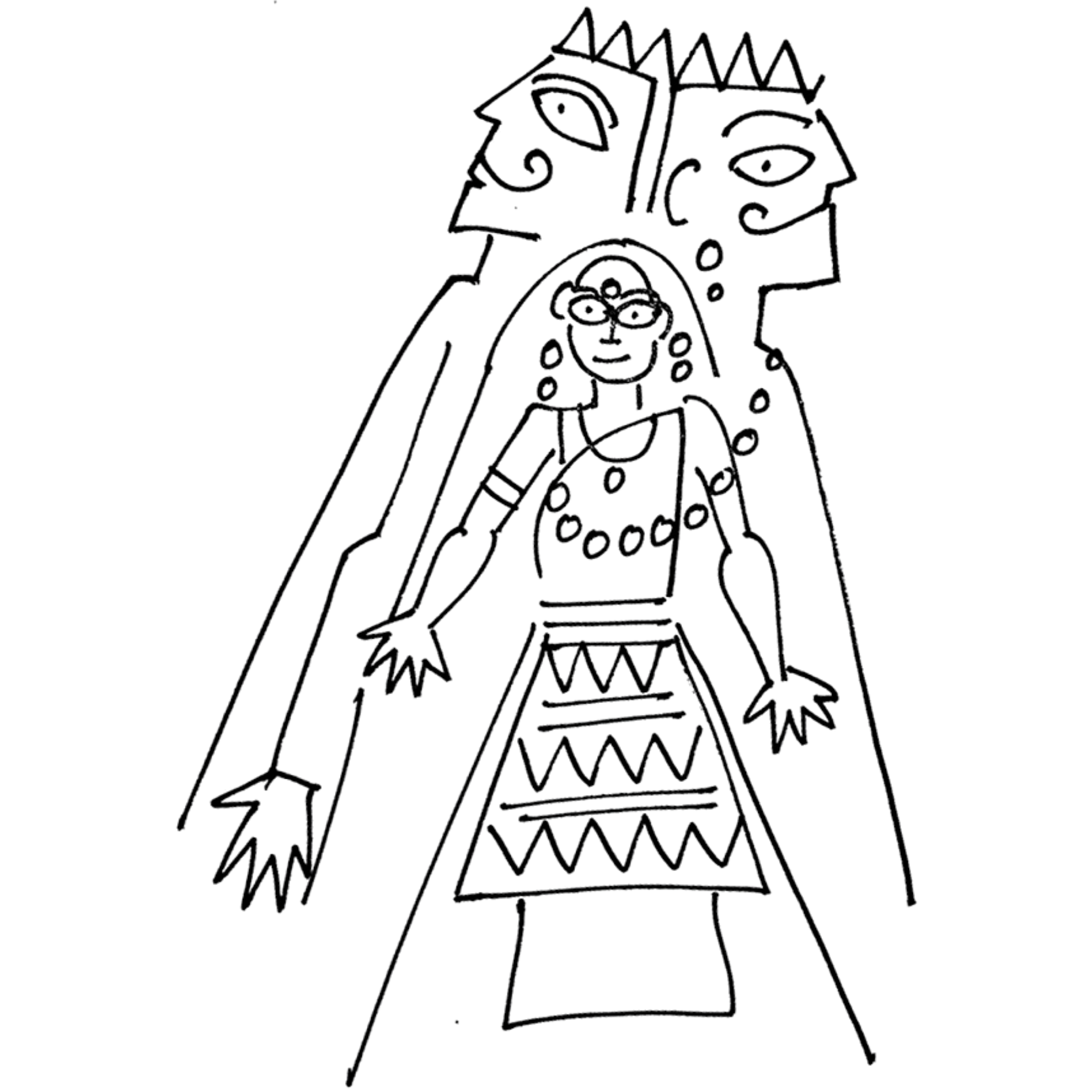
Inanna, the goddess of love, sex and fertility, fell in love with a beautiful man called Dumuzi. He was so beautiful that even her twin sister, the goddess of death, Ereshkigal, fell in love with him. Ereshkigal caused Dumuzi to die an early death and took him to the land of the dead, where he would stay with her forever. Inanna missed Dumuzi so much that she decided to go and search for him in the land of the dead.
So, Inanna, also known as Ishtar, descended and crossed seven gates of hell, to find her beloved Dumuzi. At each gate, she had to give up a piece of clothing. As a result of which, when she reached Ereshkigal, she had no sacred clothes, and hence no divine power. She was told that those who are dead cannot return to the land of living. So, Dumuzi could not be given to Inanna. Inanna was heartbroken and prepared to return to the land of the living but then realised that she herself could not leave. Those who came to the land of the death could not return to the land of the living. Unclothed, powerless, she had submit to Ereshkigal’s whims. Ereshkigal had effectively trapped Inanna, her more popular twin sister, in the land of death.
Since the goddess of fertility was trapped in the land of the dead, no birth took place, in the land of the living. No male approached the female, no bee went to the flower. Pollination, fertilisation and sex did not take place. Animals stopped reproducing. The natural order was disturbed. The gods told Enki to help release Inanna from the land of the dead. So, he created a queer being known as Asushunamir.
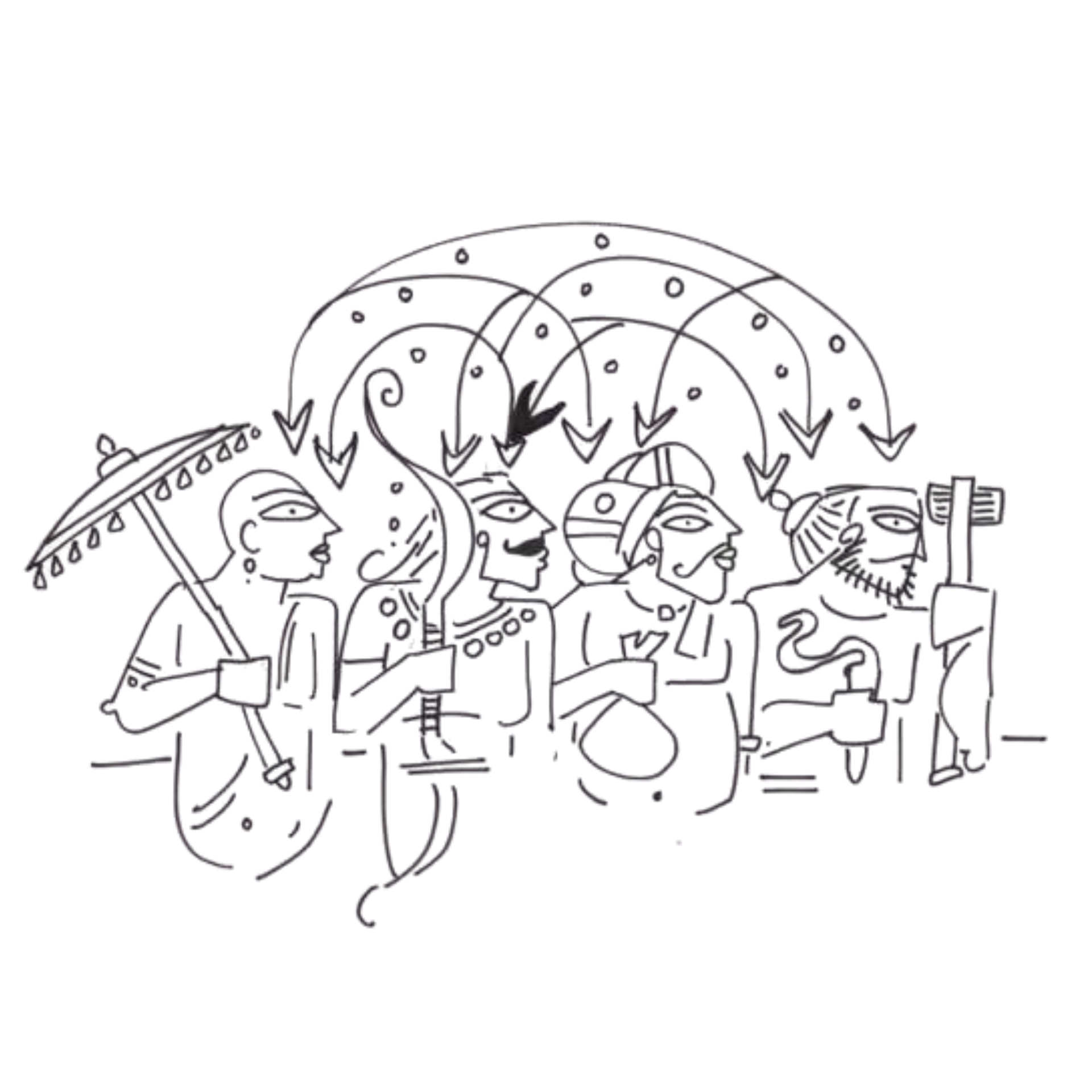
The guardians of the land of the dead did not know what to make of Asushunamir, because he/she was neither male nor female. He/she was able to cleverly pass through the seven gates and make his/her way to the land of the dead, where he met Ereshkigal. He/she sang for the goddess of death, regaled her with dance, and finally charmed her into giving him/her the waters of life. Using these waters of life, Asushunamir revived Ishtar, and brought her back to the land of the living.
Ereshkigal who fell in love with this queer being suddenly realised that she had been tricked by him/her. But, she could do nothing about it. She was so angry that she cursed the queer being that he would always live in the shadows of the sewers. Nobody would give him respect. However, Ishtar was happy and said that all queer beings would have mystical powers and capabilities, that no male or female would have. He/she would have pride of place in temples as entertainer, guardian, healer and priest. And so, queer people thrived in the temples of the goddess in Mesopotamia and Near East, before puritanical, monotheistic religions came along and wiped out their culture forever.