Published on 5th March, 2022, in Economic Times.
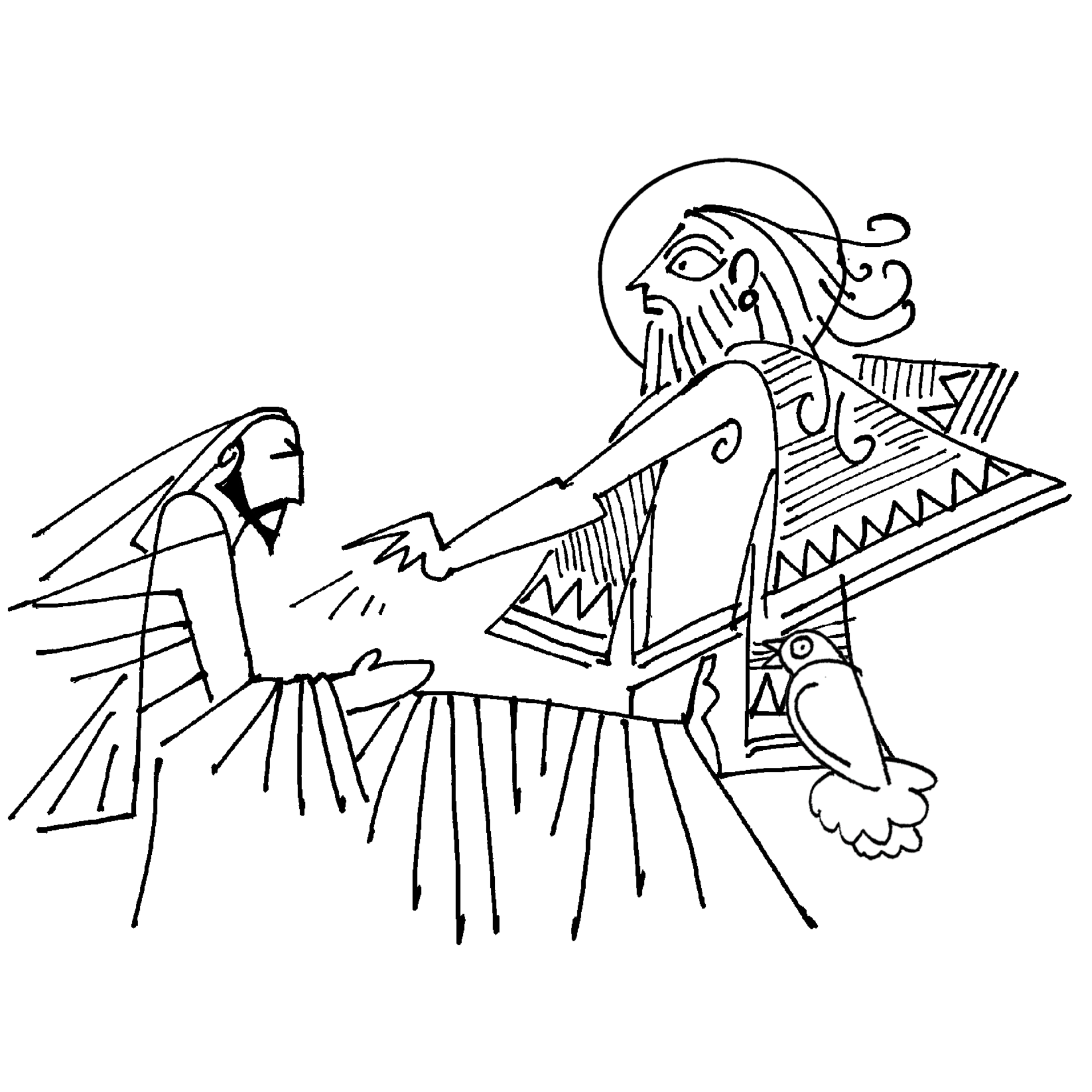
Jesus’ fame came not from reasonable and compassionate gospels, but for news that he turned water into wine. Buddha’s fame came not from mindful meditation that destroys desire, but from chanting Buddhist hymns that fulfil desire. Likewise, Himalayan Yogis and Siddha Purusha may look like ascetics but what draws people to them is their magical, mystical and occult powers.
There’s something about the corporate world that is drawn to Himalayan Yogis and Siddha Purusha. One often comes across videos on YouTube and WhatsApp where a man, dressed in orange with a beard, (the perfect costume for a yogi as per Bollywood) says something totally absurd and unscientific related to vibrations, astral planes, spirits, angels, demons, and dimensions in a sombre voice. The audience swoons. The audience comprises educated, rich, privileged people, mostly from the corporate world, bankers, industrialists, managers, VPs, CXOs. They all look adequately spellbound. Why?
Perhaps these yogis provide an escape from the brute violence of corporate warfare. A world that is rife with relentless politics, comparisons, combats and competition, domination, territorial behaviour. In the dog-eat-dog world, in a life reduced to a rat race, one seeks a larger meaning and a larger purpose, presented in an air-conditioned room, with the right lighting and music. Here, the guru unburdens you, takes away your guilt and shame. Allows you to justify your greed and cruelty as karmic imbalance. If you need punishment, just give a donation or do seva, in the kitchen, clean the guru’s toilet, with humility. He gets free labour. You get peace of mind. You feel seen and understood.
In ancient Indian epistemology (how do you know what you know), knowledge is acquired by various means. There is experience (pratyaksha), inference (anumana), comparison (upamana), and then, there is the testimony of an expert (shabda). Testimony is the least scientific method of acquiring knowledge but highly valued in the world of occult, mysticism, and traditional guru-shishya parampara of India. Submission to the guru is the highest measure of spirituality in these circles. The word of the guru is considered pure and perfect because they have direct access to God. This is where Himalayan yogis and Siddha Purushas and other mystics come from, a world where reason is replaced by faith, where all intelligence and agency is transferred to the master, granting the student’s ego the arrogance of humility that he can flaunt before all.
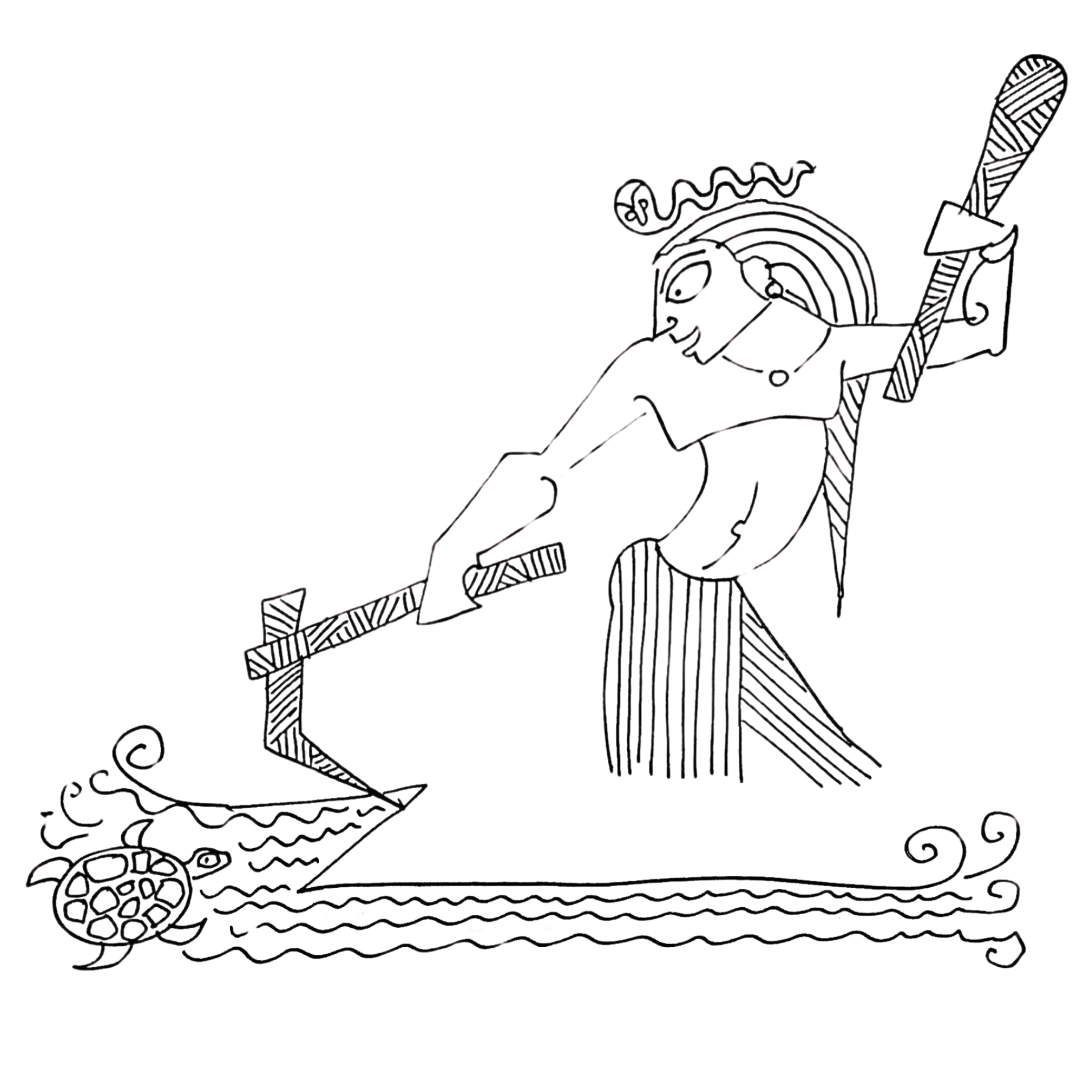
The one who understands the scriptures perfectly rationally is called an expert or shastri. The one who has direct access to God, bypassing the need for rationality, is called a mystic or siddha-yogi. In India, mystics often come from the Himalayas because in ancient India, wisdom has always come from these mountains, flowing down like rivers towards the sea. In fact, in folklore, all the mountains and rivers of India come from the Himalayas. They are said to be brought from the North to the South, by sages like Agastya, and the vanar-sena of Ram.
Words like yogi and siddha are used interchangeably but they have subtle differences. The yogi traditionally seeks liberation from the wheel of rebirths. A siddha has power over the material world. This power is gained through “tapasya”. Through ritual practices, not only does he gain control over the mind, he also gains control over the secret forces that shape the universe. Thus the siddha-yogi acquires magical powers. These powers enable them to walk on water, fly in the air, fold space and time and influence the mind of people. That is what a Jedi Knight does in Star Wars. That is what we find in films like Tenant and Inception, the ability to change space and time. It allegedly fascinated Steve Jobs when he wandered in India like a hippie looking for a true master of magic.
We want these fantasies to be true to explain the irrational success of some people and our own failures despite our great efforts. Around us are idiots in positions of power and smart people being kicked out by political machinations of inferior people. These render our MBA degrees useless. Management does not teach us how to deal with the cunning, the manipulative, who can rise in the corporate ladder even if they cannot understand a single excel spreadsheet. These events convince us there is more to life than rationality. So we submit to tales of the Himalayan yogi and the Siddha Purush. No one in India will find this submission absurd, even if it is an elaborate cover-up for a fraud.