Published in Sunday Midday on June 12, 2011.
There are two stories of word reversal: one comes from mythology, another comes from Bollywood. Both deal with rage and helplessness.
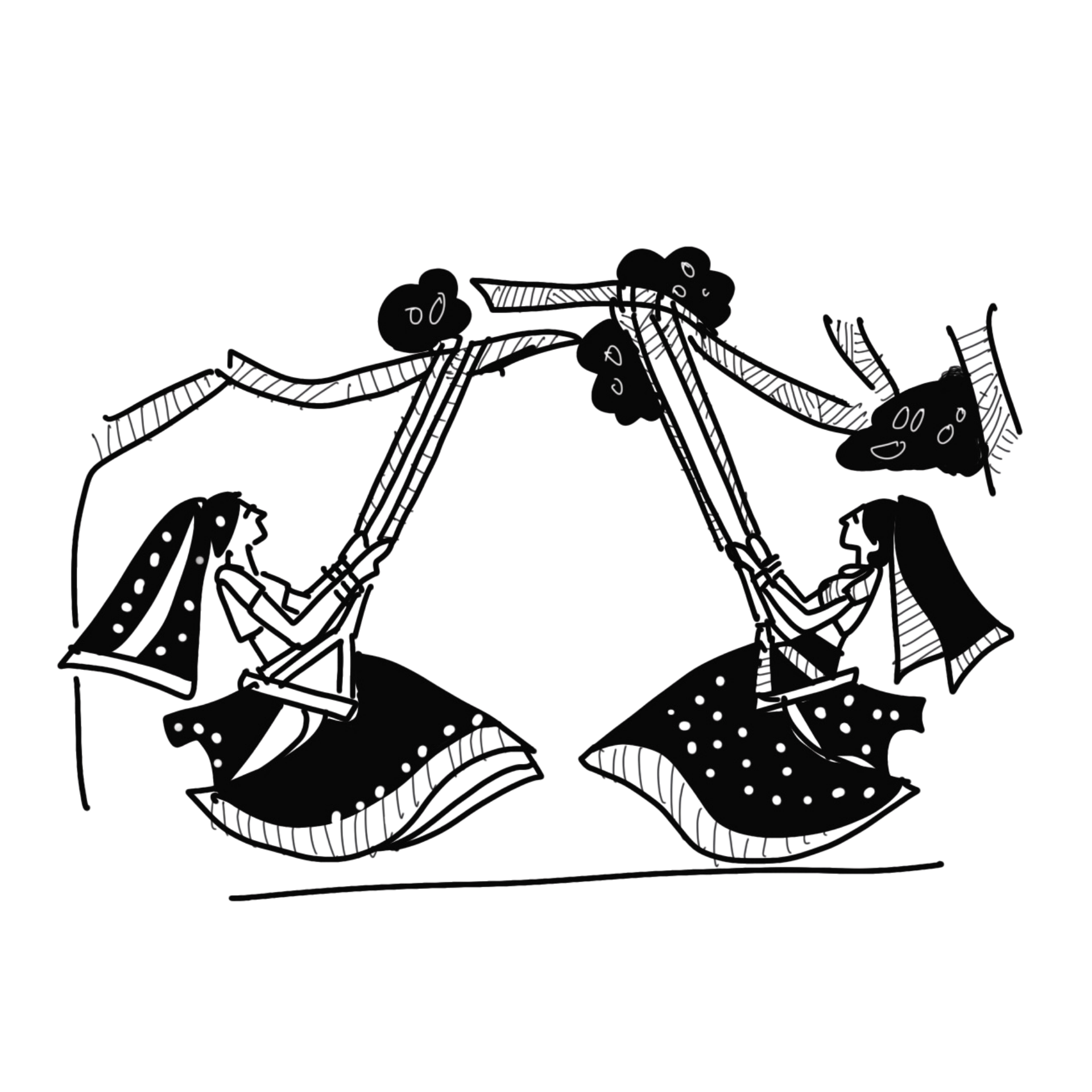
This one is from mythology. Poverty forced Ratnakara to become a highway robber. He justified his actions on grounds that he had to feed his family. “Will your family share the burden of your crimes?” he was once asked. When he checked his family said “No!” It was his responsibility to feed them, they said, and they did not really care how he did it, by fair means or foul. Ratnakara felt betrayed and lost. “How do I unburden my soul?” He was told to chant the one word that bothered him the most. So Ratnakara chanted the word ‘Mara’. “Mara, Mara, Ma-Ra, Ma-Ra, Ma, Ra, Ma, Ra-Ma, Ra-Ma, Rama, Rama, Ram, Ram, Ram!” As the word got reversed, so did his mind, from rage and anger and helplessness to hope and peace and forgiveness. For Mara means death and desolation. In Buddhism, it means the demon of desire who fetters us in the world of unhappiness. From Mara comes the word Maru meaning desert. Ram is the opposite of all this — life, immortality, liberation, joy, God!
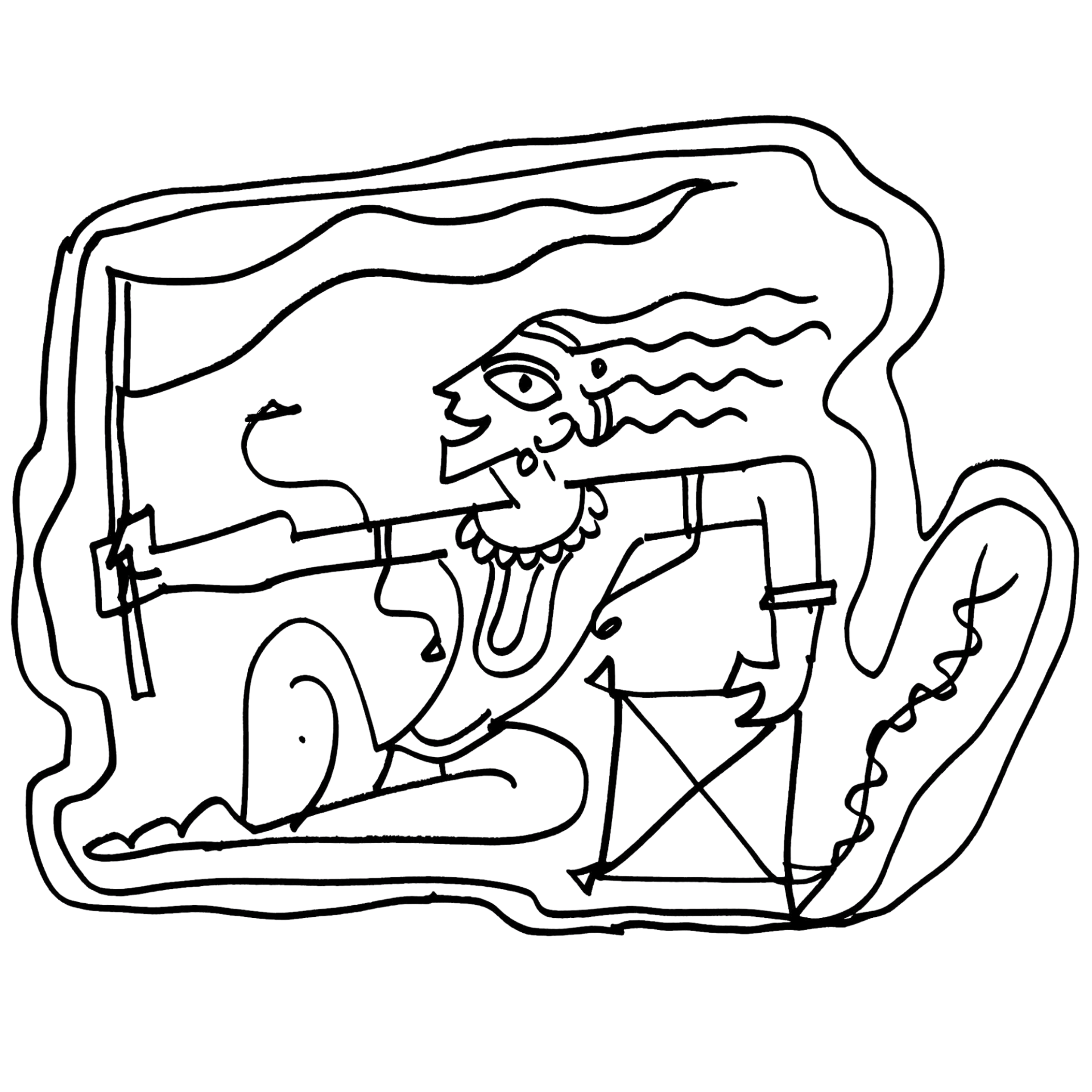
This one is from Bollywood. A son feels shame and guilt, as he does not match up to his father’s expectation. His father says what he expected to be a bar of soap turned out to be nothing but empty gassy foam. He will not commit suicide: he has seen well timed posters of an earnest-looking actor telling him to focus on his needs and not be overrun by parental ambition. Spiritual gurus are no help; they are busy playing politics. So all he can do is sing, using the template inherited by Hard Rockers, angry face, angry tunes, and a guitar. The wannabe wants to say F*** and C***, which like most swear words used by angry men refer to female sexuality disparagingly. But he can’t. The audience prefers equally foul Hindi swear words. But even that he cannot say. The Censor Board will not allow him. So he comes up with a poetic device. Just keep repeating in the song the name of ‘DK Bose’. When repeated again and again and again it will reverse to give you a juicy swear word. How cool is that! An adult film with some clever titillation is necessary to satisfy the teenage audience.
In the former story, the word is twisted to help a man transcend his rage and helplessness. In the latter story, the word is twisted to vent youth angst. Twisting in the first case is necessary as it is the only word which clouds the robber’s mind. His tongue is too sullied to make room for the name of God. Twisting in the second case becomes necessary, as civil society will not allow the vocabulary of society’s underbelly to surface. What follows is the Bollywood song twisting and bending and manipulating the rules of the game, a cleverness displayed by filmmakers, a cleverness that is mostly used by politicians, a cleverness that is, unfortunately, also the root of all corruption. Civil society does not approve but can do nothing about it, except watch in silent dismay. At the most, it can fast!
We condemn such cleverness as it makes Censor Boards and all laws quite stupid. But sometimes, we need a safety valve, as in a pressure cooker, to express our venomous rage. That is why in temple rituals there is something called ‘ninda-stuti’ which involves abusing the resident deity, once popular in traditional society but now shunned, even denied, by modern sanitized religion. This ritual allows the devotee to shout and scream at God, say things worse than ‘Mara’ and ‘DK Bose’, until he finds peace.