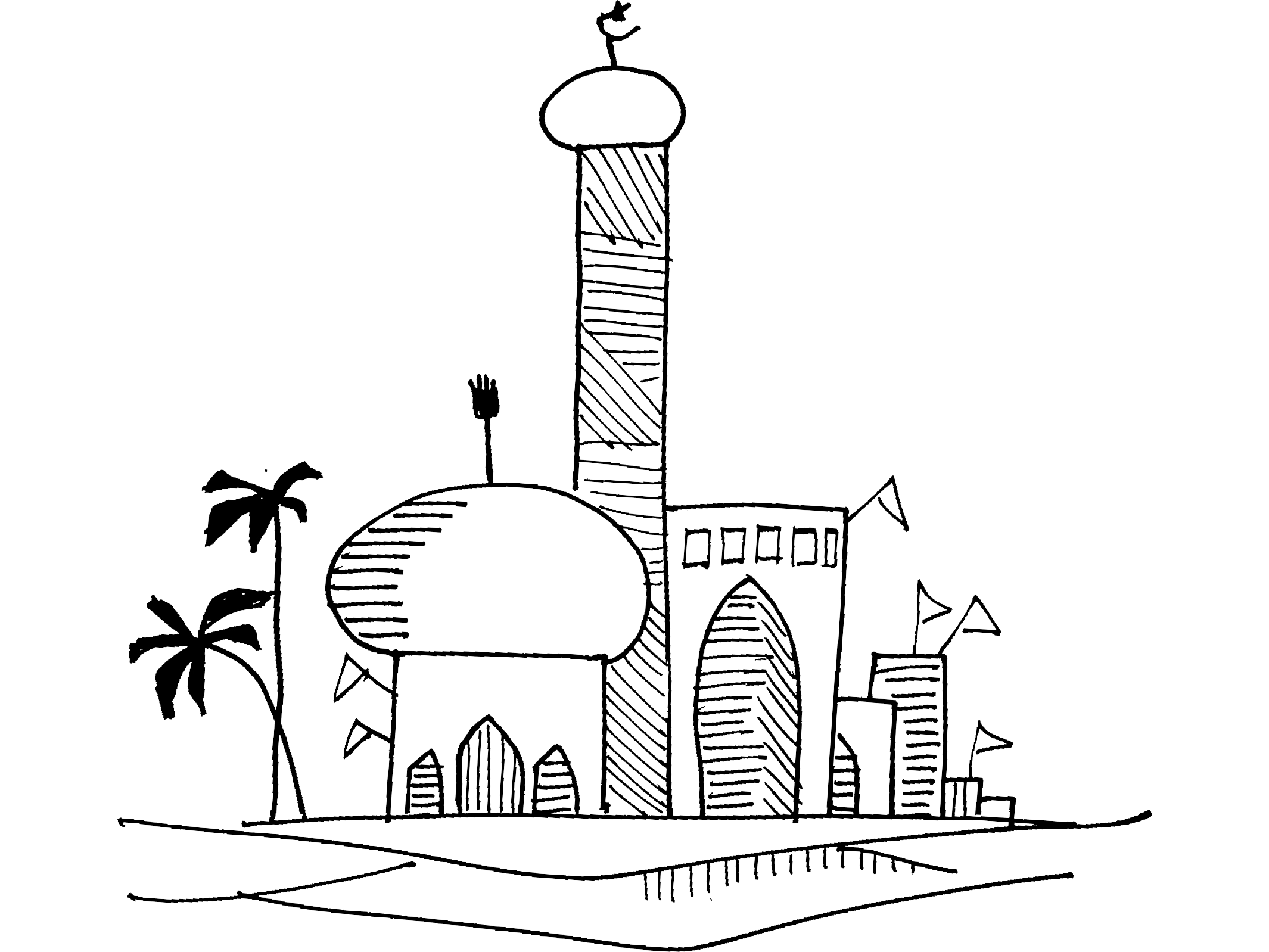
In the Gulf of Khambhat, Gujarat, that had long trading links with Arabia, there is the Barwada Masjid (outsiders’ mosque) in Ghoga, which points not to Mecca, but to Jerusalem. It is known that in the lifetime of the Prophet, prayers were first offered in the direction of Jerusalem before he changed the direction to Mecca. Mosques were built by sailors during the lifetime of the Prophet, since the 7th century, along the coasts of India. The most famous of these is the Cheraman Juma Masjid in Kerala’s Thrissur district, widely believed to be the oldest mosque in the subcontinent.
The original structure of the Cheraman mosque is similar to a pagoda, like many temples of Kerala, indicating Chinese influence. Until recent times, it did not display architecture typically associated with Islamic structures: the minaret, the dome and the true arches. These forms were introduced to India by Central Asia warlords who entered North India in the 12th century. The temple-like mosque of Kerala also has much to say about how Brahmins arrived in Kerala from North India. Thus the mosque is a confluence of three ideas: Chinese from the East, Islam from the West, and Hinduism from the North.
Brahmins from the North
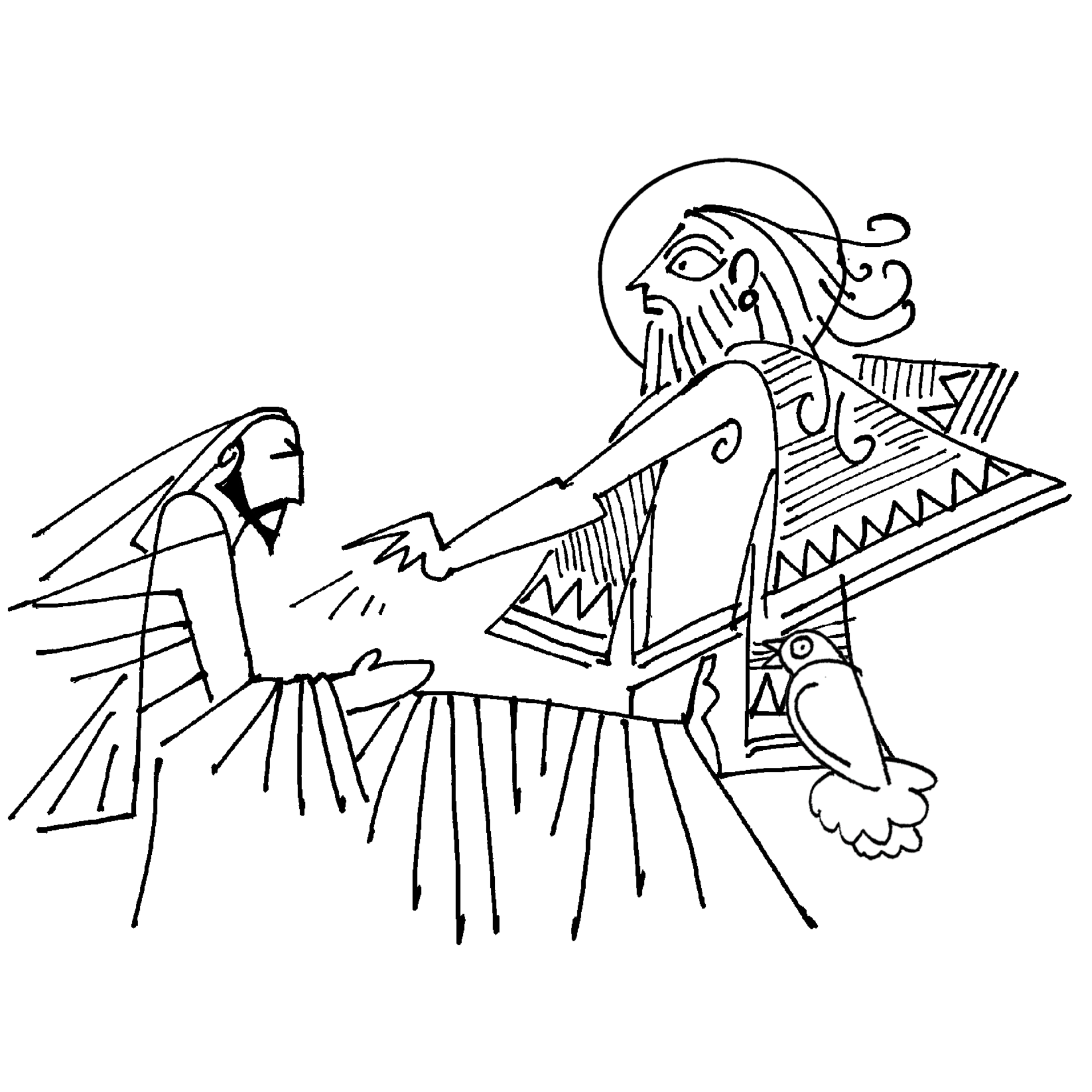
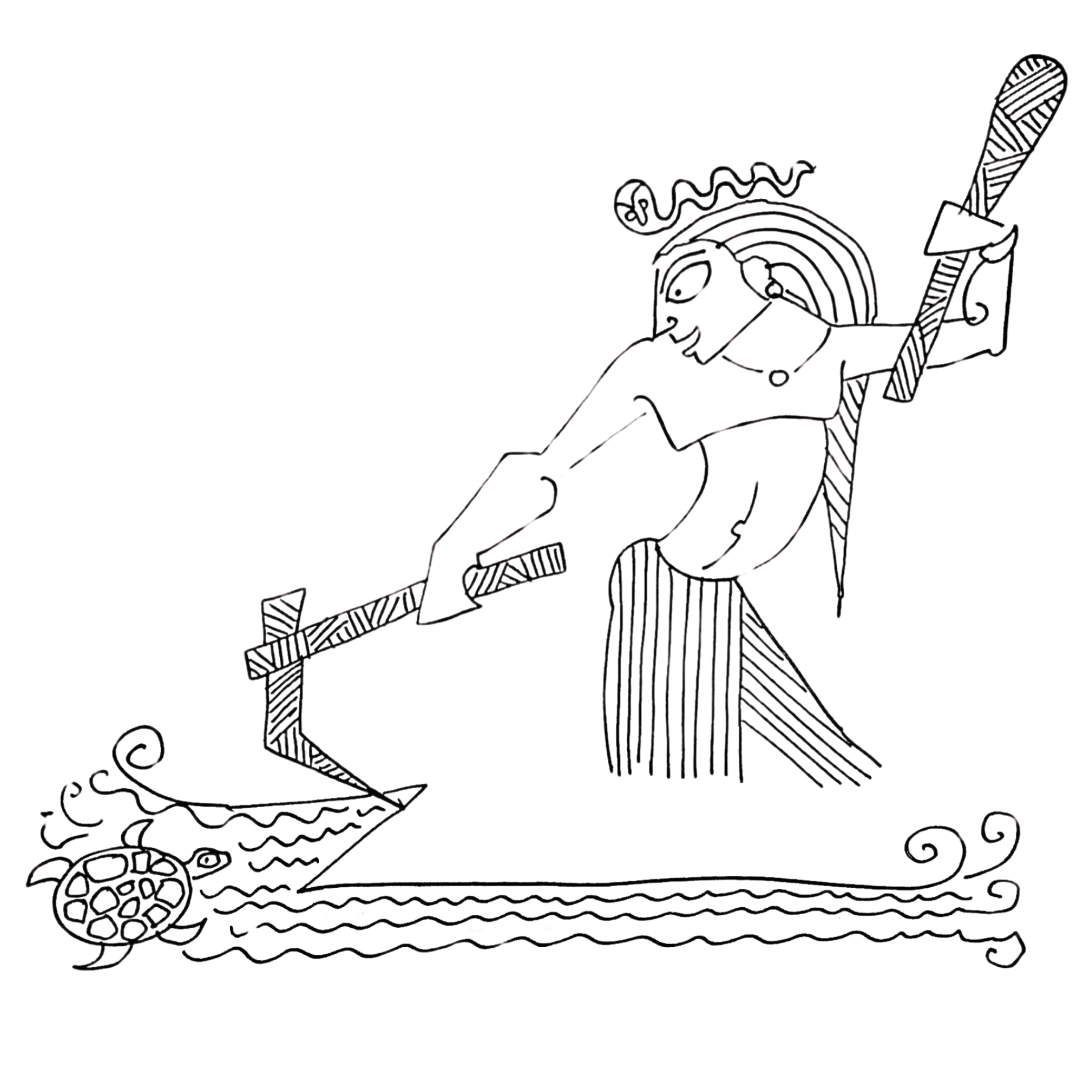
As per the 17th century Malayalam text Keralolpathi, we are told that in Vedic times, Parashurama killed the unrighteous Kshatriyas of North India. He then travelled to the ‘inauspicious’ south, crossing the Tropic of Cancer and the Vindhyas, to cleanse himself of this sin. The sea recoiled in horror when he threw his blood-soaked axe, revealing the coast of Kerala. Here, Parashurama brought Brahmins from Ahichhatra, which is located in Aryavarta, the zone triangulated by Ganga, Yamuna and the Himalaya mountains.
Brahmins were given land on condition they practise matrilineal traditions in memory of his mother, Renuka, who he had been forced to behead (and later resurrect) following accusations of infidelity. When the Brahmins refused, Parashurama brought casteless people from other parts of India. They were called Shudras as they would be providing services to the Brahmins, as farmhands, warriors, toddy tappers and boatmen. These communities did not let their daughters leave the parental home, as in Brahmin families. Their husbands, often Brahmins, came to them. According to Brahmin custom, the wife stayed in the husband’s house, and the property only went to the eldest son.
Parashurama then established a whole set of temples, to which the Brahmins and the land was allocated. But since the Brahmins could not collaborate with each other, they needed a king who was brought from a foreign land. These were the Chera kings. These kings were only supposed to rule the land, not enjoy its fortune. But the last of these Chera kings broke a rule. He who was supposed to do the protecting (rakshikkuka) chose instead to do the enjoying (anubhavikkuka), and so was exiled.
This last Chera king is also said to have seen the splitting of the moon, one of the few miracles attributed to the Prophet Muhammad, which made him travel to the land of Mecca, where he converted to Islam. On realising he may die before he reached his homeland, he instructed a group of Arab noblemen to travel to Kerala and build the Cheraman mosque.
The historical Chera kings existed from 300 BCE (long after Vedic times) and their rule came to an end in the 10th century (long after the time of Prophet Muhammad). Brahmins obtained land here probably after the 7th or 8th century as per Kadamba dynasty land grant records. But folklore doesn’t care much for historical dates.
Connecting East and West
Kerala was the midpoint stop of ships plying the grand sea route between Arabia and China, a thousand years ago. Sailors would stop here for supplies. From China came silk and porcelain. From Arabia came much valued horses.
The Chinese who traded with Arabs introduced their style of architecture and the famous Chinese fishing nets to Kerala. They even influenced Siddha medicine with its leanings on the power of mercury to give immortality, and pulse-reading techniques. While many talk about how Bodhidharma took martial arts from Kerala to China, few remember the reverse flow of knowledge.
One of the greatest Chinese mariners to stop at Kerala, with his grand ships, and who was probably buried at sea off the coast of Kozhikode, was a Muslim eunuch called Zheng He, from the Ming Court. After this 15th century voyage, the Chinese emperor blocked sea explorations. The official reason was they did not want to trouble the faraway tributary states. The real reason may have been petty court politics.
The sea routes, shunned by Brahmins, and later Chinese, were eventually dominated by Arabs and then Europeans, who first entered India via Kerala, and changed the course of history forever.