Published in Speaking Tree, Dec. 18, 2011.
When the British came to India, they found Hindu practices very confusing. They came from a very different religious template, one which had a book (the Bible), a clear leader (Jesus), an institution (the Church) with earthly representatives (the Pope and priests). Every one they were familiar with, from Jewish bankers to Islamic empires, followed similar templates. Determined to make sense of it, they set up the Oriental Society that sought and translated the holy books of the Hindus, Veda and Gita included, even if books per se did not form the core of the religious practices.
Amongst everything, they found one religion that fascinated the European — Buddhism, whose template fit the European mental model of religion. It had a clearly defined leader, a clearly defined path and a clearly defined insitution: Buddha, Dhamma and Sangha. Scholars could date Buddha because Buddhist canon kept referring to the days of Siddhartha Gautama’s birth and death. That made him historical, real to the scientific mind and valid to the Christian mind that saw history as an unfolding of events that started with the Original sin.
They figured he lived five centuries before Jesus Christ, and in many writings referred to him as a prophet. They realized that Buddhism had spread all across Asia over a thousand years but its influence had waned because, they concluded, of the Brahmins (who the British held in suspicion) in India and Muslims (who the British despised) in Central Asia. Was this conclusion sincere or strategic, we will never know.
But to the common man who adored Buddha across Asia over centuries, the very European need for historicity did not matter. What mattered was the idea of Buddha, an idea that transformed dramatically from traditional thought (Thervada) referred to disdainfully as the lesser way (Hinayana) by the Mahayana or later Buddhist schools that spread to China and thence to Japan. In the latter schools what mattered more than the historic Buddha was the mythic Bodhisattva, who was not just wise but also compassionate.
Jatakas told the stories of the pervious lifetimes of Siddhartha Gautama of the Sakya clan. In each of these lifetimes he performed exemplary acts of compassion. Everything and everyone in the cosmos owed him something. To repay this debt, he was given a fine body and a fine mind and a fine family and great wealth. But instead of enjoying it, he pondered over his fortune. He noticed that not everyone has what he has; and what he had would not last forever. This led to contemplation, introspection, and reflection. Wisdom dawned. He became the Buddha, the enlightened one.
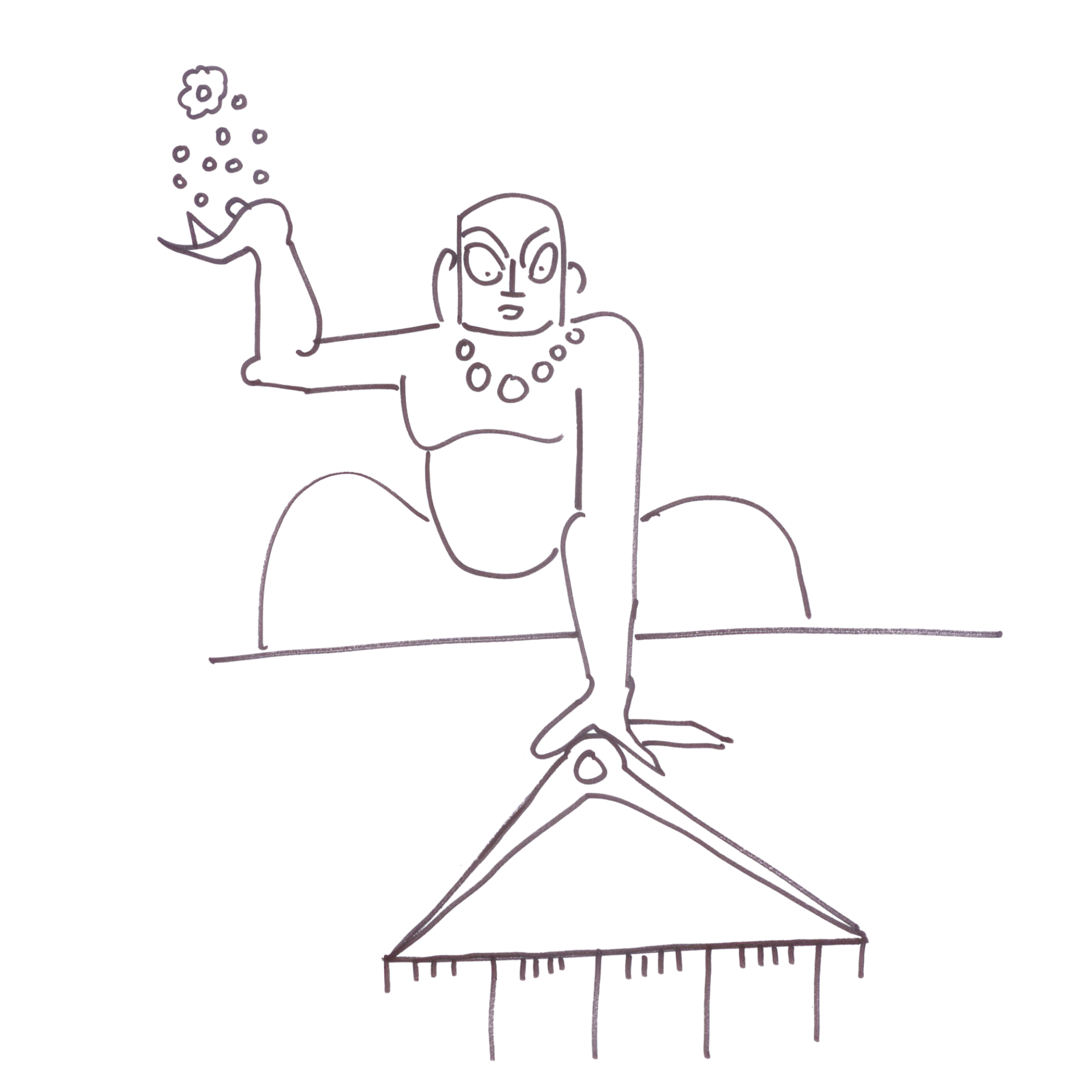
Wisdom gave him peace but it also revealed that others were not at peace. So in compassion, he became Bodhisattva, sprouting many arms, reaching out to every other living creatures, enabling each one to also reflect and realize, at their own pace, why fortune will forever wax and wane. Now beside him sat Tara, the feminine force who evokes compassion in him, forces him to acknoweldge the others who are not-yet-Buddha.
Across Himalayan kingdoms, for the past thousand years, Buddhism has mingled and merged with Tantrik ideas, and a whole host of Buddhas and Boddhisattvas have emerged, many visualized in passionate embrance. This is Vajrayana, the path of the thunderbolt, with a Buddha very different from the first images of the serene and monastic Buddha, first carved by Indo-Greeks of the Gandhara school, five hundred years after Buddha attained nirvana.