February 16, 2009

First published November 11, 2008

Rama Sutra

Verve

Text by Sona Bahadur and Mamta Badkar.

Published: Volume 16, Issue 11, November, 2008.

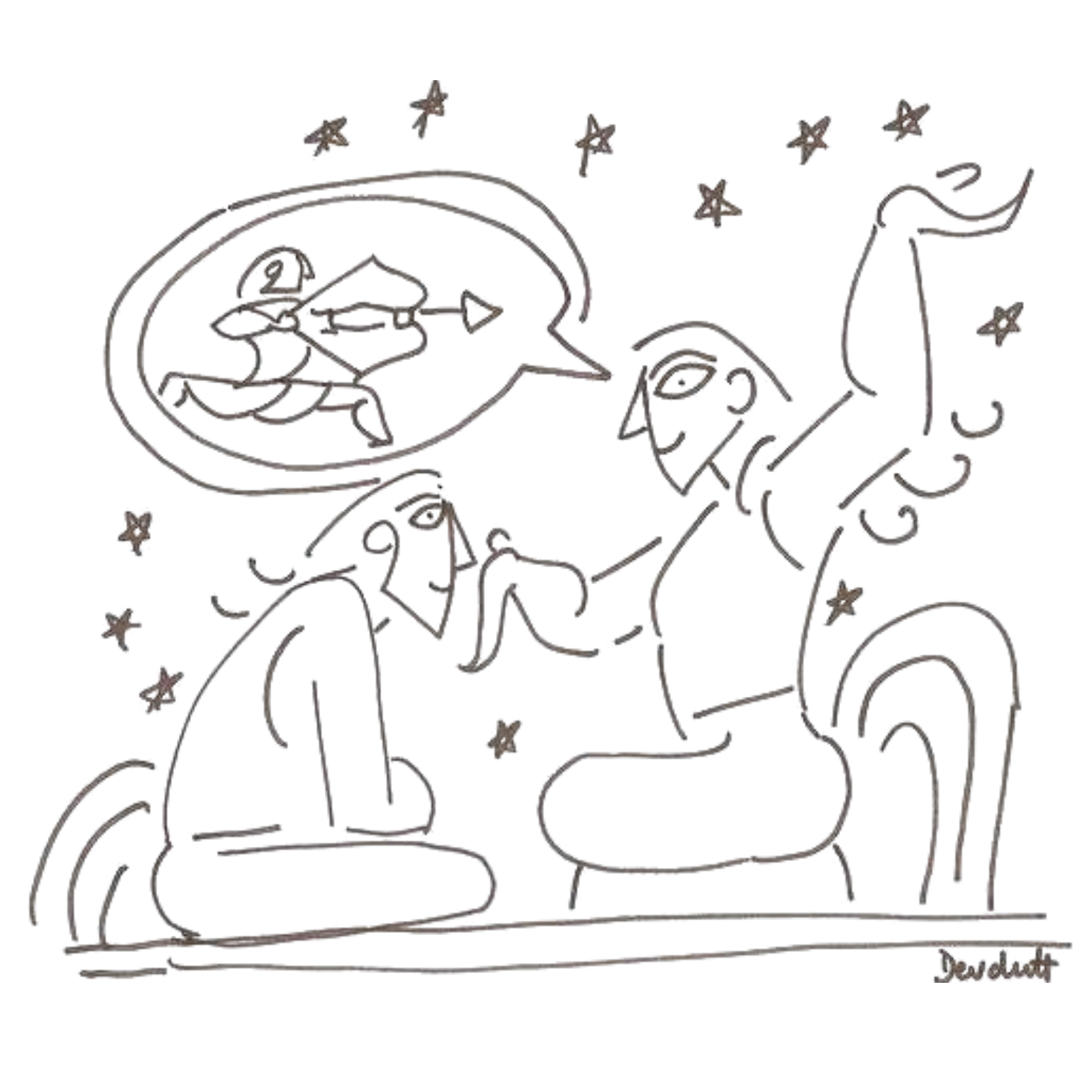
Being Ram couldn’t be easy. Loathed by feminists, appropriated by politicians, and the only Hindu deity to be worshipped as a king, he remains enigmatic in his complexity. The latest in his series on the Hindu pantheon, Devdutt Pattanaik’s The Book of Ram focuses on Ram in his myriad roles as king, son and husband. He is at once Eka-vachani, the king who never goes back on his word; Eka-bani, an archer who always strikes on target and Eka-patni, who is eternally and absolutely devoted to a single wife. He is maryada purushottam, the upholder of social values. And as the seventh avatar of Vishnu, he establishes order in worldly life. The interplay of the deity’s various conflicting roles and relationships forms the essence of this engaging tome.


Excerpts from an interview with Devdutt Pattanaik:

What makes the book relevant to contemporary life?

The Ramayan celebrates all that is noble in man’s life. Nobility is eternally relevant. We have all tried to be good and righteous sometimes — how can we be good and righteous all the time? Often we get seduced by cynicism, faithlessness, mediocrity…Ramayan helps us get back on track.


How do you see Ram? What’s your personal take on him?

To me, Ram carries the burden of leadership. He is not allowed to be a person — he has to be a king for his people. That demands sacrifices. And he does so stoically making him at once tragic and reverential. He is a model — one we admire but fear to emulate.


Feminists don’t think the world of Ram. How do you see him as a husband?

Every political ideology needs a villain. Often villains are constructed through careful choice of arguments and careful selection of stories. Feminists have done the same with Ram, focusing on his abandonment of Sita. What is overlooked is that here is a husband who was eternally faithful to his wife, who under pressure from his people abandoned his queen but refused to remarry.

Recent Books

  • flowers of india book

    Flower of India: Ways of Seeing the Lotus

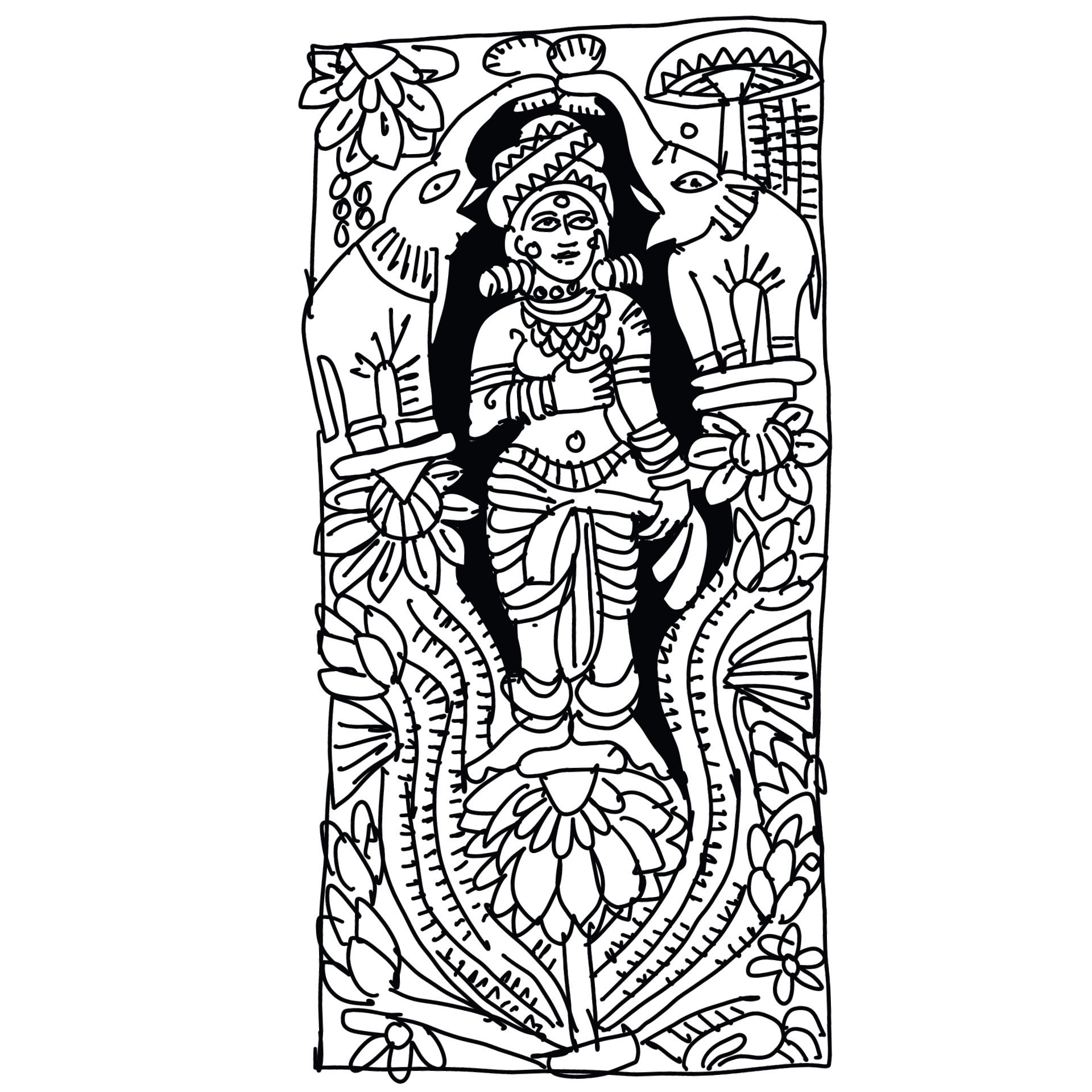
    In Flower of India, bestselling author and renowned mythologist Devdutt Pattanaik examines the lotus as one of the most pervasive and resonant symbols of the Indian subcontinent. Through its many avatars—as plant, resource, metaphor, design, and sacred form—he traces how the lotus has shaped India’s cultural imagination across history, religion, art, and everyday life. Concise…

  • astra shastra

    Astra Shastra: Weapons of the Hindu Gods

    Well-known mythologist Devdutt Pattanaik introduces young readers to the wonderful weapons of Hindu gods with his unique art and easy-to-read text…

  • Escape the Bakasura Trap : Let Contentment Fuel Your Growth

    This book re-discovers this path, first revealed by Hanuman in the Mahabharata. Insightful and inspiring, Escape the Bakasura Trap is another classic from one of our great mythologists and thinkers…

  • लंकेश: रावण संग एक रोमांचक यात्रा

    यह पुस्तक भारत के सबसे विख्यात महाकाव्य रामायण और इस कारण भारत के सबसे बड़े खलनायक, रावण, को विस्तार से जानने की राह खोलती है।…

Recent Posts

  • A Tamil Reimagining of the Ramayana

    A Tamil Reimagining of the Ramayana

    Kambaramayanam is one of the most celebrated works of Tamil literature. Composed by the poet Kamban around the ninth century in Tamil Nadu, in the time of Chola kings, it is a lyrical retelling of the Ramayana filled with rich poetry, elaborate metaphors, and deep moral reflection. …

  • Yama’s Journey from Vedic King to Cosmic Accountant

    Yama’s Journey from Vedic King to Cosmic Accountant

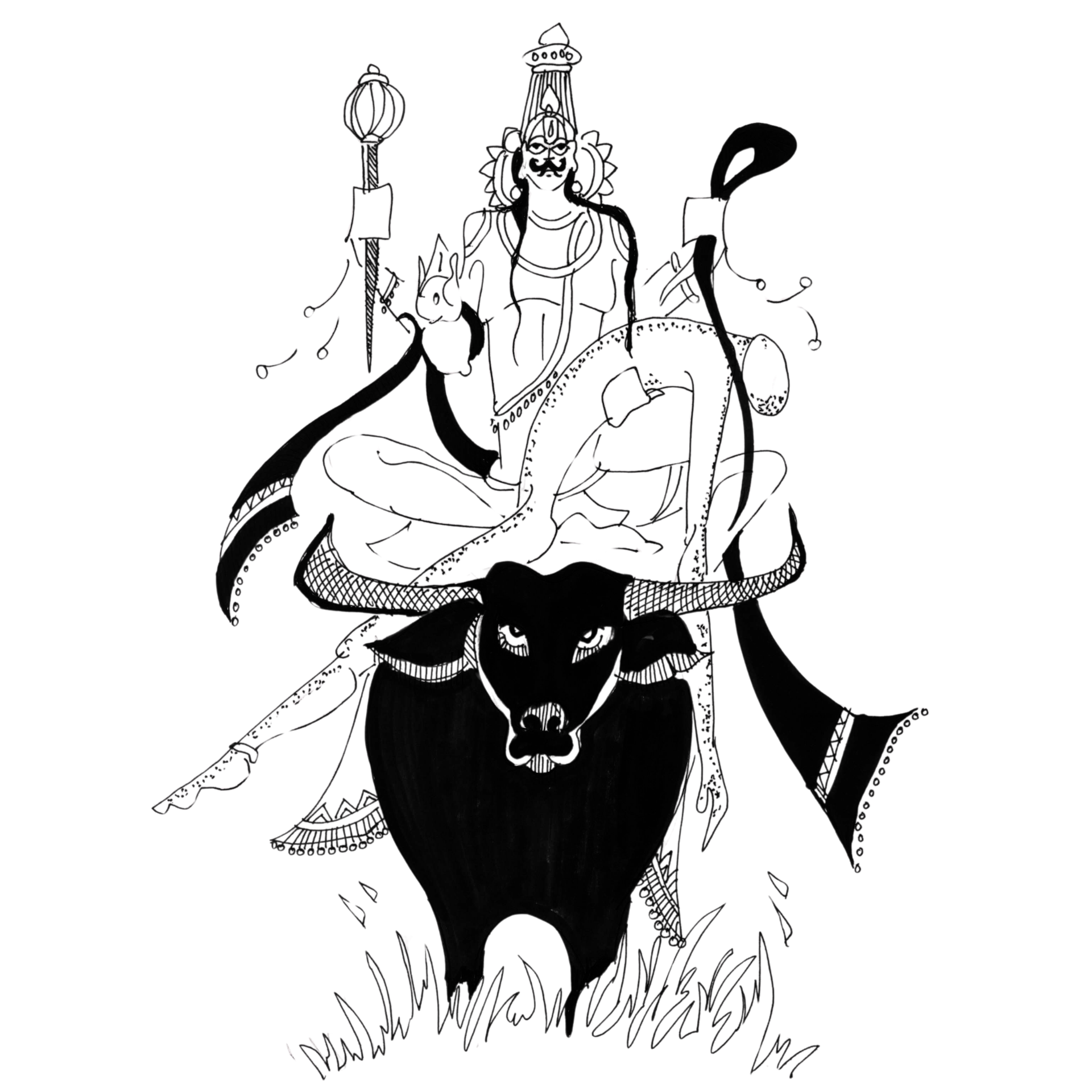
    Yama is the Hindu god of death, accountability, and the afterlife. Often ignored, his history is long and complex, reaching back to Vedic, Indo-Iranian, and Indo-European mythological traditions…

  • How India and Persia Shaped Each Other

    How India and Persia Shaped Each Other

    Connections between India and Persia stretched back to prehistoric movements of people, long before written history. Genetic and archaeological evidence suggests that populations linked to ancient Iranian farmers moved eastward into the subcontinent around 10,000 years ago, interacting with older forager communities. …