August 5, 2005

First published August 4, 2005

Hindu way of life

Hinduism is a socio-cultural phenomenon that evolved in the Indian sub-continent and spread to South-East Asia. It does not have a clearly defined God or one dominating philosophy or one holy book or one prophet or one church or one religious hierarchy. The secular and the sacred are not separated. Hence, Hinduism is referred to more as a way-of-life than as a religion.

Some common features of Hinduism are:

  1. Reverence for the Vedas
  2. Belief in God (Bhagawan, Ishvar) who is part of the universe, not distinct from it and who incarnates as innumerable divine beings
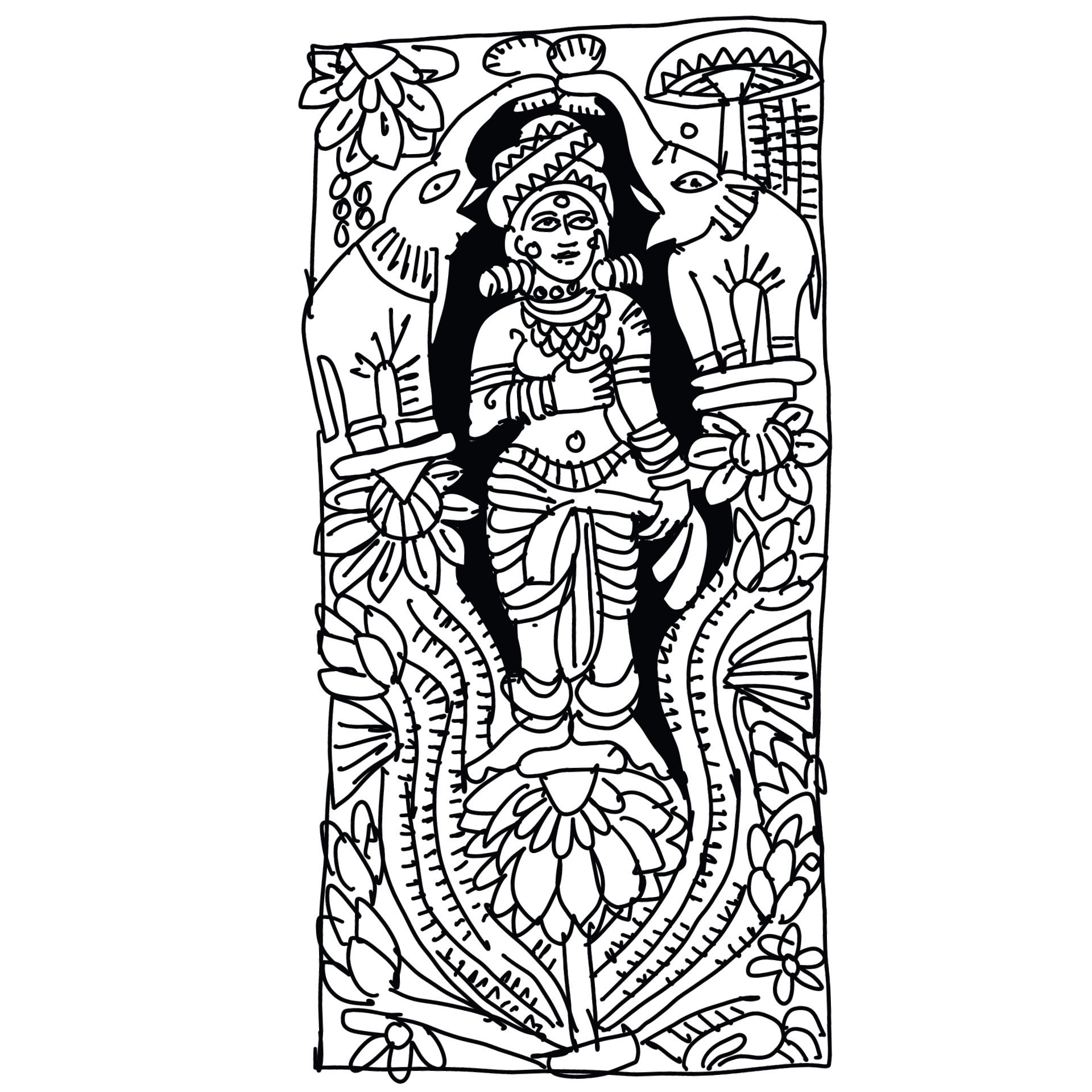
  3. Adoration of the mother-goddess (Devi)
  4. Absence of the concept of evil and the Devil; all negative things in life are seen as the products of ignorance and lack of awareness
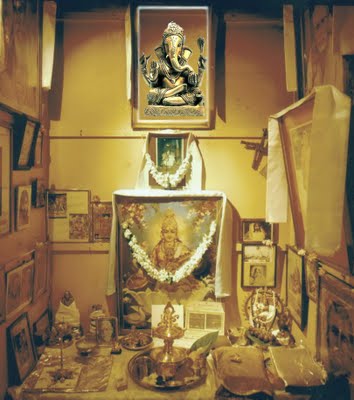
  5. Ritualism (yagnas, pujas, vratas, samskaras), including idol, plant, animal, ancestor and Nature worship
  6. Belief in reincarnation and the fatalistic acceptance of present situation as a consequence of actions performed in the past life (karma)
  7. Search for liberation from the cycle of existence through guidance of gurus or wise teachers
  8. Balancing righteous conduct (dharma) with material aspirations (artha), sensual pleasures (kama) and spiritual pursuits (moksha)
  9. Acceptance that there are many means (marga) to reach the divine
  10. Caste system (varna, jati)
  11. Belief that Hindus are born and are not products of conversion
  12. Perceiving the environment, the body and the mind as illusion (maya) and only the soul (atma) as the True Self that can be identified with the Supreme Divine Being (brahman)

Recent Books

  • flowers of india book

    Flower of India: Ways of Seeing the Lotus

    In Flower of India, bestselling author and renowned mythologist Devdutt Pattanaik examines the lotus as one of the most pervasive and resonant symbols of the Indian subcontinent. Through its many avatars—as plant, resource, metaphor, design, and sacred form—he traces how the lotus has shaped India’s cultural imagination across history, religion, art, and everyday life. Concise…

  • astra shastra

    Astra Shastra: Weapons of the Hindu Gods

    Well-known mythologist Devdutt Pattanaik introduces young readers to the wonderful weapons of Hindu gods with his unique art and easy-to-read text…

  • Escape the Bakasura Trap : Let Contentment Fuel Your Growth

    This book re-discovers this path, first revealed by Hanuman in the Mahabharata. Insightful and inspiring, Escape the Bakasura Trap is another classic from one of our great mythologists and thinkers…

  • लंकेश: रावण संग एक रोमांचक यात्रा

    यह पुस्तक भारत के सबसे विख्यात महाकाव्य रामायण और इस कारण भारत के सबसे बड़े खलनायक, रावण, को विस्तार से जानने की राह खोलती है।…

Recent Posts

  • A Tamil Reimagining of the Ramayana

    A Tamil Reimagining of the Ramayana

    Kambaramayanam is one of the most celebrated works of Tamil literature. Composed by the poet Kamban around the ninth century in Tamil Nadu, in the time of Chola kings, it is a lyrical retelling of the Ramayana filled with rich poetry, elaborate metaphors, and deep moral reflection. …

  • Yama’s Journey from Vedic King to Cosmic Accountant

    Yama’s Journey from Vedic King to Cosmic Accountant

    Yama is the Hindu god of death, accountability, and the afterlife. Often ignored, his history is long and complex, reaching back to Vedic, Indo-Iranian, and Indo-European mythological traditions…

  • How India and Persia Shaped Each Other

    How India and Persia Shaped Each Other

    Connections between India and Persia stretched back to prehistoric movements of people, long before written history. Genetic and archaeological evidence suggests that populations linked to ancient Iranian farmers moved eastward into the subcontinent around 10,000 years ago, interacting with older forager communities. …