Published in Sunday Midday, Mumbai on 1 Nov 2009.
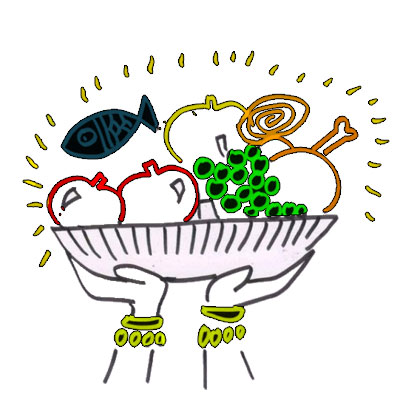
We would like to believe that eating is a rational act, governed by hygiene and nutrition but in most cases it is not. We eat because food is tasty, because we are hungry, because that is what our family told us to eat. Often, we eat some things and don’t eat others because by doing so we reaffirm our links to a particular group.
Chinese emperors were known to use food as a tool to indicate their station in society. Only feudal lords were allowed to eat beef. Mutton was for high-ranking ministers, pork for lower ministers, fish for generals and only vegetables for commoners.
The reasons for religious dietary laws are often shrouded in mystery — with reasons ranging from hygiene to divine decree to unquestionable tradition.
Jewish dietary laws involves ‘kosher’ foods. Kosher means that which is fit or proper, and the rules determining kosher are complex. For example, only fish with fins and scales are kosher. Thus clams, shrimps, and crabs are nonkosher. Animals that chew the cud and have cloven hoofs are kosher. Blood is non-kosher. Eggs must be checked for blood spots. These were apparently instituted for health reasons — because certain foods get spoilt easily, because one can get trichinosis from pork. But if that were the case then these laws would have been abandoned with the advent of modern food processing. Beyond the ‘rational reasons’, it seems more likely that these dietary laws helped the Jewish Diaspora reaffirm their separateness and identity through centuries of exile and persecution.
Jesus was born in a Jewish family and no doubt followed the kosher dietary laws. During the last supper he equated wine as ‘his blood’ and offered it to his followers. Was this an act of breaking free from the Jewish fold since blood is non-kosher? That the Church did not impose any dietary restrictions, Jewish or otherwise, on its followers helped it become a global religion welcoming people from all walks of life into a fold. Little wonder then that Christianity grew in numbers and gradually became the dominant religion of Europe.
The rise of Islam saw many practices and taboos, some expressed through dietary laws, that helped Muslims distinguish themselves from other peoples of the Book. To distinguish themselves from Christians, Muhammad forbade the consumption of pigs. To distinguish themselves from pork-shunning Jews, Muhammad forbade the consumption of wine, something that was part of the Jewish sacrament.
The 20th century saw the rise of Nation of Islam amongst African Americans who wanted to establish for themselves a new identity that broke free from their past as the descendants of slaves. Like their Muslim brothers elsewhere in the world they shunned pork and wine, but they also shunned tobacco and a whole list of vegetables commonly consumed by their black brothers who were following Christianity, the religion of their enslavers.
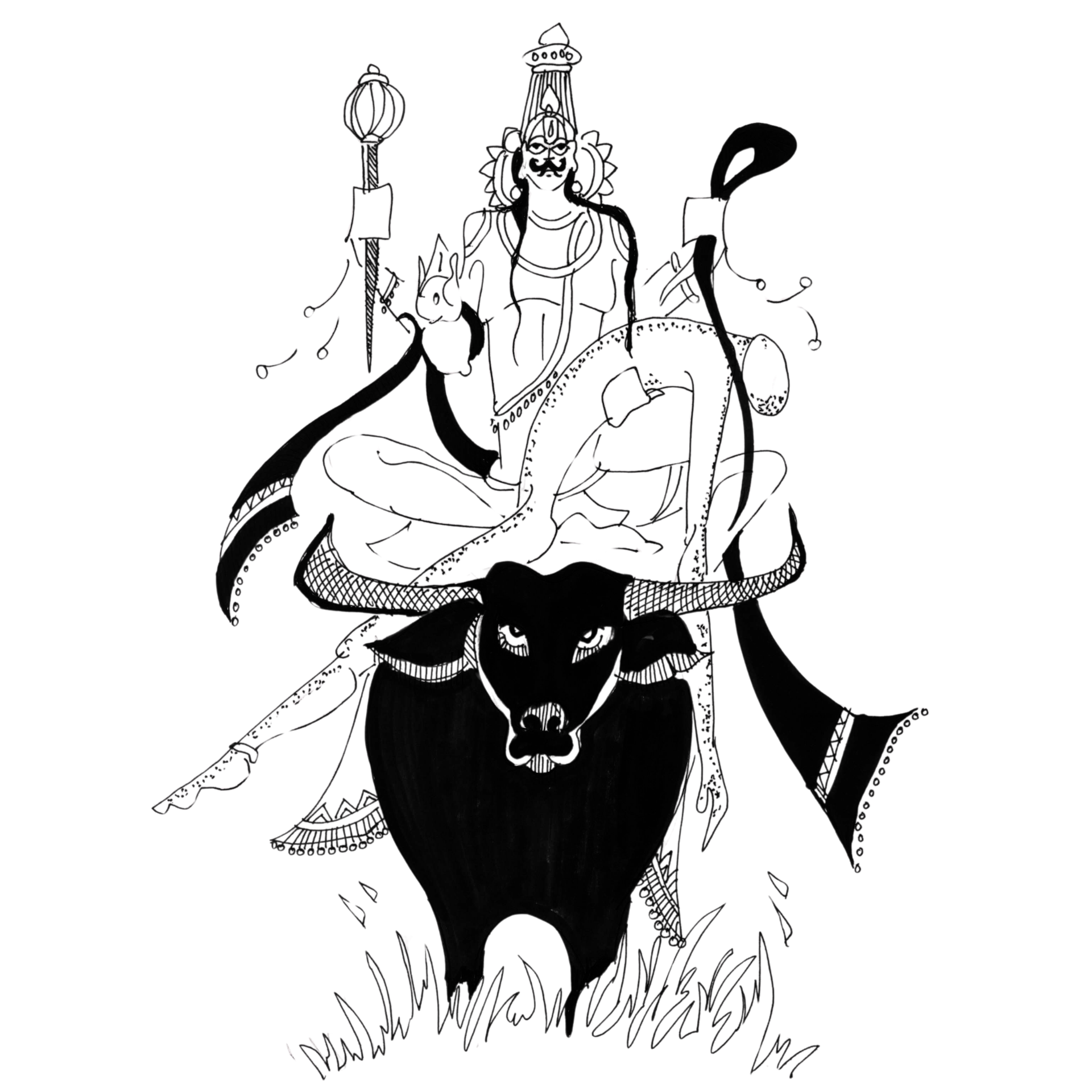
In India, food was used to create a spiritual hierarchy — vegetarians assumed superiority over non-vegetarians, and among vegetarians those who did not eat garlic and onion were positioned above everyone else. Any discussion of Hindu diet cannot avoid the ‘beef’ issue. Cows were sacred to early cattle-herding communities. Somewhere along the way, especially with the rise of Buddhism, Jainism and the Bhakti movement with their doctrine of non-violence, eating animals in general and the cow in particular became taboo in the Indian sub-continent. But did protection of the milk-giving cow, extend to the bull, or the castrated ox? What about the buffalo? Does not the goddess Durga impale the buffalo-demon and demand its sacrifice during Navaratri each year? The scriptures do not give a clear answer, leading at least one writer to wonder if the sacredness of the white cow and the profanity of the black buffalo had more to do with race and caste and gender and less with non-violence.
The food we eat may project things about us (that we are non-violent, that we are less polluted) but it does not necessarily influence our behavior. The non-garlic-eating mother-in-law may believe in ‘protecting tiny creatures who live under the soil’ but that does not stop her in any way from harassing her non-garlic-eating daughter-in-law. Vegetarian businessmen can be quite ruthless in business. The non-beef eating politician may believe in protecting cows but feels comfortable rousing rouse mobs against peaceful beef-eating communities. Two nations may agree on why pork must be shunned, but that will not stop them from slaughtering each other in wars. Dietary laws — desperately rationalized by believers — are artificial constructs that rarely impact the behavior of its followers giving more meaning to the following thought of the Upanishad: “Everything in the universe is food. We eat some. Some eat us.”