July 16, 2010

First published July 15, 2010

 in CNBC

Business Sutra 6: Measurements

Telecast on CNBC on 10 July 2010.

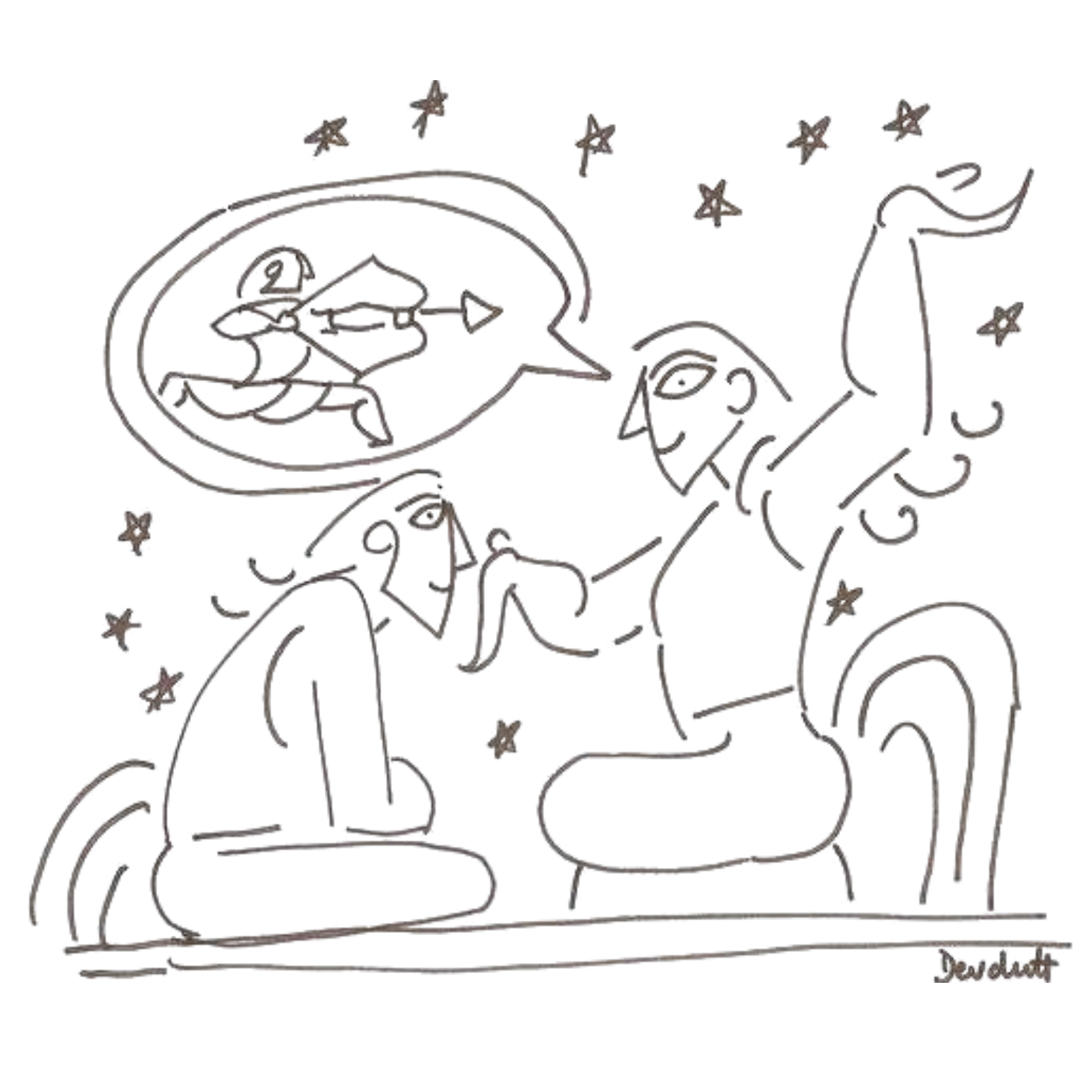
This episode dealt with the fundamentals of management theory. Every B-school teaches students that what cannot be measured cannot be managed. Implicit in this comment is that there are many things out there that cannot be measured, hence cannot be managed. But is that true? We cannot measure our relationships yet we manage them one way or another. The need for measurement comes from the desire to get to a truth that is independent of human bias, independent of human beings. But is truth independent of humanity. Organizations are a bunch of human beings – so an organization’s truth can never be objective. It will be subjective. It will be informed and influenced by the goalpost and the values one chooses to believe in. While writing this I remembered lines from an Alvar poet (Tamil mystics who lived at least a thousand years earlier): “I wonder who is measuring. I wonder what is measured. I wonder who determines the measuring scale. Are they different or the same?”


Segment 1: What can be measured?

Segment 2: Objective versus Subjective measures

Segment 3: What are you worth?


Recent Books

  • flowers of india book

    Flower of India: Ways of Seeing the Lotus

    In Flower of India, bestselling author and renowned mythologist Devdutt Pattanaik examines the lotus as one of the most pervasive and resonant symbols of the Indian subcontinent. Through its many avatars—as plant, resource, metaphor, design, and sacred form—he traces how the lotus has shaped India’s cultural imagination across history, religion, art, and everyday life. Concise…

  • astra shastra

    Astra Shastra: Weapons of the Hindu Gods

    Well-known mythologist Devdutt Pattanaik introduces young readers to the wonderful weapons of Hindu gods with his unique art and easy-to-read text…

  • Escape the Bakasura Trap : Let Contentment Fuel Your Growth

    This book re-discovers this path, first revealed by Hanuman in the Mahabharata. Insightful and inspiring, Escape the Bakasura Trap is another classic from one of our great mythologists and thinkers…

  • लंकेश: रावण संग एक रोमांचक यात्रा

    यह पुस्तक भारत के सबसे विख्यात महाकाव्य रामायण और इस कारण भारत के सबसे बड़े खलनायक, रावण, को विस्तार से जानने की राह खोलती है।…

Recent Posts

  • A Tamil Reimagining of the Ramayana

    A Tamil Reimagining of the Ramayana

    Kambaramayanam is one of the most celebrated works of Tamil literature. Composed by the poet Kamban around the ninth century in Tamil Nadu, in the time of Chola kings, it is a lyrical retelling of the Ramayana filled with rich poetry, elaborate metaphors, and deep moral reflection. …

  • Yama’s Journey from Vedic King to Cosmic Accountant

    Yama’s Journey from Vedic King to Cosmic Accountant

    Yama is the Hindu god of death, accountability, and the afterlife. Often ignored, his history is long and complex, reaching back to Vedic, Indo-Iranian, and Indo-European mythological traditions…

  • How India and Persia Shaped Each Other

    How India and Persia Shaped Each Other

    Connections between India and Persia stretched back to prehistoric movements of people, long before written history. Genetic and archaeological evidence suggests that populations linked to ancient Iranian farmers moved eastward into the subcontinent around 10,000 years ago, interacting with older forager communities. …